


 Vista previa
 Compartir
 Compartir
 Ver detalles
 Guía
Guía

 Descargar
 Ver artículos similares
 Radiografía
 Presentación de diapositivas
 Estadísticas
Peasant with Sickle, Seen from the Back


 Leer más
Reproducción al óleo hecha a mano
Óleo sobre lienzo pintado a mano en el tamaño y marco de su elección, realizado por encargo por nuestros artistas. ( Cambiar a formato impreso Ver versión en imagen digital)




P118B €10

P118H €10

P118W €10

P438Z €10

P508JH €12

P508YH €12

P805H €10

P805Z €10

P919BZ €10

P919G €10

P919XJ €10

P959ZH €10

P968JZ €12

W106C €8

W218G €10

W218JH €8

W218Y €10

W307PJ €10

W316G €10

W316PJ €8

W316Y €10

W398PJ €8

W4111J €10

W500HY €15

W500JH €15

W692G €12

W849H €8

W940BG €15

W953PJ €8




Elija entre nuestros tamaños predefinidos que respetan las proporciones originales de la obra.

Puede ingresar sus propias dimensiones para adaptarse a un marco o espacio específico. Si el tamaño seleccionado no coincide con las proporciones de la imagen original, recortaremos la obra o extenderemos la pintura con elementos adicionales pintados a mano. Se le enviará una maqueta digital para su aprobación antes de comenzar la producción.
Tenga en cuenta que la vista previa en pantalla no refleja el recorte o la extensión reales. Solo la maqueta mostrará con precisión la composición final.
Si bien existen tamaños personalizados, recomendamos seleccionar una dimensión de la lista predefinida para preservar las proporciones originales.
Tras realizar el pedido, el equipo de AllPaintingsStore.com enviará un correo electrónico al cliente para solicitar instrucciones y proporcionarle una vista previa del boceto.
Envío a todo el mundo () en 3-4 semanas en lugar de las 5 semanas estándar. (21 septiembre). Sin comprometer la calidad.

Envío exprés gratuito a todo el mundo

Lienzo de lino de alta calidad

Seguro de envío completo

Garantía de reembolso de impuestos aduaneros

Garantía de fidelidad cromática exacta

Política de devolución de 100 días (solo por defectos)

Garantía de devolución del 100% del dinero

Oferta por volumen
 La opción de vidrio solo está disponible en tamaños inferiores a 110 cm.

Peasant with Sickle, Seen from the Back
Técnica de reproducción
Tamaño de la reproducción
-


Precio total
€ 221
A Study in Quiet Resolve
In the quiet corners of art history, few sketches possess the raw, unadorned power found in Vincent van Gogh’s “Peasant with Sickle, Seen from the Back.” Created in 1885 during his formative years in Nuenen, this work serves as a profound window into the artist's early preoccupation with the dignity of manual labor. Rather than a grand, colorful spectacle, Van Gogh offers us a moment of stillness—a monochromatic meditation on the weight of existence and the rhythmic pulse of rural life. The figure, positioned with a deliberate, off-center balance, invites the viewer to look past the surface of the paper and into the very soul of the working class. There is an intimacy here that transcends the medium; we are not merely observing a laborer, but sharing in his solitude.
The technical execution of this piece reveals a master in the making, utilizing the energetic, tactile qualities of charcoal or graphite to build a world out of shadow and light. Van Gogh’s hand is visible in every stroke, where short, urgent lines dance across the paper to create the rough texture of sun-parched grass and the heavy, coarse fabric of the peasant's clothing. The artist employs a sophisticated range of grayscale, moving from the deepest, most somber blacks to delicate, ethereal grays that suggest a diffused, overcast light. This lack of color does not diminish the work; instead, it strips away distractions, forcing an encounter with the fundamental forms and the stark, honest reality of the subject matter. The use of hatching and cross-hatching provides a structural depth that anchors the figure against the horizontal line of a distant fence, creating a sense of space that feels both grounded and expansive.
Symbolism and the Beauty of Toil
Beyond its technical brilliance, the artwork is steeped in a quiet symbolism that resonates deeply with anyone who finds beauty in the understated. The sickle, curved and sharp against the soft textures of the landscape, acts as a potent emblem of the harvest—a symbol of both the sustenance provided by the earth and the grueling toil required to reap it. The peasant’s posture, viewed from behind, denies us the familiarity of a face, yet conveys an overwhelming sense of character through the slump of the shoulders and the steady stance. It is a visual embodiment of resilience; even in weariness, there is an unwavering determination that mirrors Van Gogh's own legendary perseverance.
For the discerning collector or interior designer, this piece offers a unique opportunity to introduce a sense of historical gravity and contemplative calm into a space. As a reproduction, it brings the soulful atmosphere of the Dutch Realism movement into the modern home, acting as an anchor of authenticity and emotion. It is more than a decoration; it is a conversation starter that celebrates the beauty found in simplicity and the enduring strength of the human spirit. Whether placed in a minimalist gallery setting or a warm, textured study, "Peasant with Sickle, Seen from the Back" commands attention through its profound, silent eloquence.
Obras relacionadas


![Vincent Willem Van Gogh (dutch: [ˈvɪnsɛnt ˈʋɪləɱ Vɑŋ ˈɣɔx] ; 30 March 1853 – 29 July 1890) Was A Dutch Post-impressionist Painter Who Is Among The Most Famous And Influential Figures In The History Of Western Art. In Just Over A Decade, He Created Approxi — Vincent Willem Van Gogh, Post-impressionism](/media/artworks/images-thumb/89/f4/89f448fff5b9a5d469c54c9d0c92721e.jpg)


Biografía del artista
Vincent van Gogh: Vida, Arte y Legado
Primeros Años e Influencias
- Nacido el 30 de marzo de 1853 en Groot-Zundert, Países Bajos, Vincent Willem van Gogh fue el mayor de seis hijos.
- Su padre, Teodorus van Gogh, era un ministro protestante, y su crianza estuvo profundamente influenciada por la religión.
- Sus primeros intereses incluían dibujar, pero persiguió varios oficios antes de dedicarse a las artes. Trabajó como comerciante de arte, maestro y misionero.
- Influencias Clave: Las primeras influencias incluyeron a los Maestros holandeses como Rembrandt van Rijn y Frans Hals, así como a los pintores franceses contemporáneos Jean-François Millet y Camille Corot.
Desarrollo Artístico y Estilo
- Van Gogh comenzó a pintar seriamente en 1880, principalmente de forma autodidacta.
- Sus primeras obras se centraron en representar la vida de los campesinos y trabajadores, reflejando su empatía por la clase trabajadora.
- Una mudanza a París en 1886 lo expuso al Impresionismo y Postimpresionismo, lo que llevó a una paleta más brillante y a la experimentación con nuevas técnicas.
- Estilo Distintivo: Van Gogh desarrolló un estilo altamente individual caracterizado por colores audaces, pinceladas expresivas e intensidad emocional. A menudo utilizaba el *impasto* – capas gruesas de pintura – para crear textura y transmitir sentimiento.
Períodos Clave y Obras
- El Período Holandés (1880-1886): Se centró en tonos oscuros y terrosos y en la representación de la vida rural. Obras notables incluyen Los Comedores de Patatas.
- El Período Parísino (1886-1888): Experimentación con técnicas impresionistas y colores más brillantes.
- El Período de Arles (1888-1889): Un período de intensa creatividad marcado por paisajes vibrantes, retratos y bodegones. Obras clave incluyen Girasoles, El Café Nocturno y Estrellas sobre el Río Rodano.
- Saint-Rémy y Auvers-sur-Oise (1889-1890): Después de un colapso mental, Van Gogh ingresó voluntariamente a un asilo en Saint-Rémy. Sus últimos años estuvieron marcados por una continua producción artística pero también por un creciente sufrimiento emocional. Obras notables incluyen La Noche Estrellada y retratos del Dr. Gachet.
Logros Importantes y Reconocimiento
- A pesar de luchar contra la enfermedad mental y enfrentarse al rechazo durante su vida, Van Gogh creó más de 2,100 obras de arte en poco más de una década – aproximadamente 860 pinturas en óleo.
- Su obra influyó profundamente en el desarrollo del arte moderno, particularmente en el Expresionismo y el Fauvismo.
- Fama Póstuma: El reconocimiento llegó después de su muerte en 1890. Sus obras ganaron popularidad creciente a principios del siglo XX, convirtiéndose en algunas de las obras de arte más reconocibles y valiosas del mundo.
Significado Histórico y Legado
- La obra de Van Gogh sigue resonando con el público actual debido a su honestidad emocional, colores vibrantes y poderosa expresión de la experiencia humana.
- Se considera uno de los personajes más importantes en la historia del arte occidental, inspirando a generaciones de artistas.
- Su vida ha llegado a ser un símbolo del “artista atormentado”, aunque esta narrativa a menudo eclipsa su dedicación, habilidad y visión artística.
- Museos de todo el mundo, incluido el Museo Van Gogh en Ámsterdam, exhiben su obra y celebran su perdurable legado.
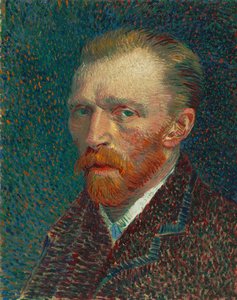
vincent willem van gogh
1853 - 1890 , Países Bajos
Datos clave
- Artistic Movement Or Style: Postimpresionismo
- Artists Or Movements Influenced By This Artist:
- Expresionismo
- Fauvismo
- Artists Who Influenced This Artist:
- Rembrandt
- Millet
- Date Of Birth: 30 de marzo 1853
- Date Of Death: 29 de julio 1890
- Full Name: Vincent Willem van Gogh
- Nationality: Holandés
- Notable Artworks:
- Los Comedores de Patatas
- Girasoles
- La Noche Estrellada
- Place Of Birth: Zundert, Países Bajos
Artículos relacionados

Mastering Graphite: A Professional Guide to Precision, Texture, and Technical Excellence in Pencil Drawing
Elevate your artistry with our expert guide to mastering graphite. Learn professional techniques for precision, texture, and depth, from advanced blending to subtractive drawing. Perfect for art students seeking technical excellence in monochromatic realism.

10 Iconic Drawings That Revolutionized the World of Art
Journey through history with 10 legendary drawings that redefined art. From Renaissance sketches to modern charcoal masterpieces, explore the stories behind these iconic works and find museum-quality reproductions for your decor. Discover all masterpieces on AllPaintingsStore.com.

10 obras maestras de carboncillo que redefinieron la historia del arte
Explora la fuerza del blanco y negro a través de 10 obras maestras de carboncillo. Desde Da Vinci hasta Van Gogh, descubre la técnica y emoción que definieron el arte. Encuentra reproducciones de calidad museo para tu decoración en AllPaintingsStore.com. ¡Explora la colección completa!

Mastering Charcoal: A Professional Guide to Texture and Depth for Large-Scale Interior Art Commissions
Discover professional techniques for mastering charcoal texture and depth. An expert guide for hotel designers and procurement managers looking to integrate high-impact monochrome art into large-scale hospitality projects with precision and scale.

Mastering the Line: A Professional Guide to Drawing Mediums, Techniques, and Artistic Expression
Elevate your artistic practice with our expert guide to drawing mediums and techniques. From graphite to charcoal, master the essential skills of line, shading, and form used by professional fine artists to create enduring masterpieces.


![Irises [1889]](/media/artworks/images-thumb/ca/85/ca85582a4fd1dc392efef83ec4dc3124.jpg)


