


 Ver en contexto
 Enviar
 Compartir
 Detalles
 Guía
Guía

 Descargar
 Similares
 Radiografía
 Presentación de diapositivas
 Estadísticas
Emperor


 Ver más
Giclée / Impresión de arte
Impresiones giclée o en lienzo de calidad de museo con producción rápida y opciones de acabado flexibles. ( Comprar pintura hecha a mano Cambiar a imagen digital)




P118B €10

P118H €10

P118W €10

P438Z €10

P508JH €12

P508YH €12

P805H €10

P805Z €10

P919BZ €10

P919G €10

P919XJ €10

P959ZH €10

P968JZ €12

W106C €8

W218G €10

W218JH €8

W218Y €10

W307PJ €10

W316G €10

W316PJ €8

W316Y €10

W398PJ €8

W4111J €10

W500HY €15

W500JH €15

W692G €12

W849H €8

W940BG €15

W953PJ €8




Elija entre nuestros tamaños predefinidos que respetan las proporciones originales de la obra.

Introduzca el ancho y el alto que necesite para adaptarse a su marco o pared. Una impresión solo puede recortarse, nunca hacerse más grande que la imagen original, por lo que un tamaño con una forma distinta perderá parte de la obra. Le enviaremos una maqueta digital para su aprobación antes de realizar cualquier impresión. La imagen que se muestra en esta página no refleja el recorte real; solo la maqueta lo hace.
Envío a todo el mundo () en 2 semanas en lugar de las 4/5 semanas estándar. (26 octubre)

Envío exprés gratuito a todo el mundo

Lienzo de lino de alta calidad

Seguro de envío total

Garantía de reembolso de aranceles aduaneros

Garantía de fidelidad cromática exacta

Política de devolución de 100 días (solo por defectos)

Garantía de devolución del 100% del dinero

Descuento por cantidad
 La opción de vidrio solo está disponible en tamaños inferiores a 110 cm.

Emperor
Giclée / Impresión de arte
Dimensiones de la reproducción
-


Precio total final
€ 56
A Grand Procession in Wood and Ink
In the delicate interplay of line and pigment, Watanabe Nobukazu’s "Emperor" emerges as a breathtaking window into the ceremonial splendor of Meiji-era Japan. This large-scale Ukiyo-e woodblock print captures a moment of profound historical gravity, presenting an imperial procession that feels both monumental and intimate. Through four meticulously arranged panels, the viewer is invited to witness a choreographed display of power and tradition. The composition is masterfully balanced; while the figures are ensconced within ornate interiors and stately outdoor settings, a central, unifying tree and wandering birds act as silent witnesses to the unfolding event. This structural harmony guides the eye across the landscape of the print, creating a sense of continuous movement that mimics the very procession it depicts.
The technique employed by Nobukazu is a testament to the enduring mastery of the woodblock medium. Each stroke is defined by expressive, precise lines that delineate the intricate patterns of ceremonial robes and the architectural grandeur of the setting. The color palette is a sophisticated arrangement of warm, earthy tones—muted ochres, deep browns, and soft creams—which lends the artwork a dignified, antique atmosphere. This subdued tonality avoids the garishness often found in later prints, opting instead for a refined aesthetic that emphasizes texture and depth through the careful layering of pigments on paper. For the discerning collector or interior designer, this print offers a subtle yet commanding presence, capable of anchoring a room with its historical weight and tonal elegance.
Symbolism and the Spirit of an Era
Beyond its visual splendor, "Emperor" is rich with the symbolic language of Japanese tradition. Every element within the frame serves to reinforce themes of longevity, prosperity, and the divine authority of the Imperial line. The prominent tree, standing as a sentinel across the panels, is not merely a landscape feature but a potent symbol of endurance and the deep roots of the nation. Similarly, the inclusion of birds introduces an element of good fortune, weaving a narrative of peace and auspicious beginnings into the formal state ceremony. The elaborate attire of the figures—detailed with painstaking precision—serves as a visual shorthand for social hierarchy and the meticulous preservation of cultural identity during a period of rapid modernization.
To possess or display a reproduction of this work is to engage with a pivotal moment in art history. As a student of the legendary Yōshū Chikanobu, Watanabe Nobukazu possessed the unique ability to document the shifting tides of the Sino-Japanese and Russo-Japanese Wars while maintaining the classical beauty of the Ukiyo-e tradition. "Emperor" captures this duality perfectly: it is a piece that feels deeply rooted in the past yet vibrates with the energy of a nation stepping onto the global stage. The emotional impact is one of profound respect and quiet awe, making it an ideal centerpiece for those who seek art that tells a story of resilience, dignity, and the timeless beauty of Japanese heritage.
Preguntas y respuestas
¿Presenta "Emperor" un fuerte contraste entre luces y sombras?
"Emperor" de Watanabe Nobukazu presenta un contraste Gentle entre sus zonas de luz y sombra.
¿Es Watanabe Nobukazu, autor de "Emperor", conocido por otros nombres?
Watanabe Nobukazu también es conocido como Yosai Nobukazu, Shimada Jirō.
¿En qué año se creó "Emperor"?
"Emperor" de Watanabe Nobukazu fue creada en 1900.
Obras relacionadas


Biografía del artista
El cronista visionario de un Japón en transformación
En el vasto tapiz de la historia del arte japonés, pocas figuras capturan la dramática transición de la tradición a la modernidad con tanta emotividad como Watanabe Nobukazu. Nacido como Shimada Jirō alrededor de 1872, este maestro del grabado emergió durante una era definida por profundos cambios geopolíticos y transformaciones internas. Su vida y obra sirven como un puente visual entre la elegancia clásica de la estética persistente del período Edo y la intensidad cruda y cinematográfica del surgimiento de Japón como potencia mundial. Como discípulo del legendario Yōshía Chikanobu, Nobukazu heredó un profundo respeto por la meticulosa artesanía de la tradición Ukiyo-e; sin embargo, poseía un pulso contemporáneo y único que le permitió documentar los turbulentos vientos de las guerras sino-japonesa y ruso-japonesa con un vigor sin precedentes.
Los cimientos del arte de Nobukazu se forjaron mediante una rigurosa formación en caligrafía y pintura, disciplinas que le inculcaron una reverencia por la precisión de la línea. Bajo la tutela de Chikanobu, aprendió a navegar el delicado equilibrio entre la belleza decorativa y la profundidad narrativa. Esta educación temprana hizo más que enseñarle técnica; le proporcionó el vocabulario necesario para traducir narrativas históricas complejas al medio del grabado en madera. Su capacidad para entrelazar las líneas finas y rítmicas características de su maestro con un creciente sentido del realismo le permitió crear obras que no eran meramente arte, sino documentos históricos esenciales.
El drama del conflicto y la maestría del grabado
El ascenso de Nobukazu a la prominencia internacional estuvo intrínsecamente ligado al fervor marcial de su tiempo. Durante la guerra sino-japonesa (1894–1895), se convirtió en un prolífico cronista del campo de batalla, produciendo elaborados trípticos que capturaban el calor del combate y la grandeza estratégica de las maniobras militares. Sus representaciones de enfrentamientos cruciales, como los ocurridos en el puerto de Liaodong y Pyongyang, son celebradas por su composición teatral y un realismo asombroso. En estos grabados, el espectador no es un observador distante, sino un testigo presencial del humo, el movimiento de las tropas y la densa atmósfera del conflicto. Utilizó el formato multipanel del tríptico para crear vistas panorámicas expansivas que reflejaban la escala de las propias guerras.
Más allá del campo de batalla, Nobukazu demostró una notable versatilidad al capturar lo ceremonial y lo sereno. Su obra maestra, "Emperador", se erige como un testimonio de su capacidad para evocar la solemnidad de la era Meiji. En esta pieza, se aleja del caos de la guerra para presentar una procesión imperial caracterizada por una profunda gravedad histórica. A través de una paleta sofisticada de ocres tenues, marrones profundos y cremas suaves, crea una atmósfera de dignidad antigua. El grabado es una clase magistral de armonía estructural, donde:
- El intrincado trazo lineal delinea los complejos patrones de las vestiduras ceremoniales y la grandeza arquitectónica.
- Los pigmentos estratificados aportan una sensación de textura y profundidad que evita lo estridente en favor de una elegancia refinada.
- Los elementos simbólicos, como aves errantes y árboles centinelas, actúan como testigos silenciosos del esplendor imperial que se despliega.
Un legado perdurable en madera y tinta
La importancia histórica de Watanabe Nobukundo reside en su papel como historiador visual. Mientras muchos artistas de su época permanecieron ligados a temas puramente decorativos, Nobukazu abrazó el dinamismo de su era. Su obra captura la identidad dual de Japón a finales del siglo: una nación profundamente arraigada en sus tradiciones ancestrales que, al mismo tiempo, avanzaba agresivamente hacia un futuro moderno e industrial. Su técnica —una mezcla perfecta del detalle meticuloso de Chikanobu y un uso expresivo, casi cinematográfico, del color— aseguró que sus grabados poseyeran tanto una estética atemporal como una urgencia contemporánea.
Hoy en día, el legado de Nobukazu continúa resonando en académicos y coleccionistas que buscan comprender el alma del Japón de la era Meiji. Su habilidad para traducir los momentos efímeros de la guerra y los rituales perdurables del Estado al medio permanente del grabado en madera asegura su lugar en el panteón de los grandes grabadores japoneses. A través de sus ojos, no solo vemos la historia; sentimos el peso de su progresión, la tensión de sus batallas y la serena dignidad de sus tradiciones más sagradas.

Watanabe Nobukazu
1872 - 1944 , Japón
Datos clave
- Artistic Movement Or Style: Ukiyo-e
- Artists Who Influenced This Artist: ['Yōshū Chikanobu']
- Date Of Birth: 1872
- Date Of Death: 1944
- Full Name: Watanabe Nobukazu (渡辺延一)
- Nationality: Japonés
- Notable Artworks:
- Prosperidad Imperial: Ceremonia en la Capital del Este
- Ilustración del Ataque al Hōōjyo (Hōōjyo kogeki no zu)
- Regreso Triunfal del Victorioso Ejército Imperial Japonés desde Asan
- Estatua de Bronce de Saigō en el Parque Ueno,
- Watanabe Nobukazu
- Place Of Birth: Japón
Artículos relacionados

Mastering the Woodblock Print: A Definitive Guide to the Timeless Art of Ukiyo-e and Beyond
Explore the profound artistry of woodblock printing. From Ukiyo-e masters like Kuniyoshi to modern techniques, discover the intricate history, carving processes, and enduring legacy of this timeless printmaking tradition.

Ukiyo-e: The Art of the Floating World and the Legacy of Japanese Woodblock Masters
Explore the profound history of Ukiyo-e, from Hokusai's iconic waves to the vibrant culture of Edo Japan. Discover the intricate craft of woodblock printing and the enduring legacy of these Japanese masterpieces through our expert art history guide.
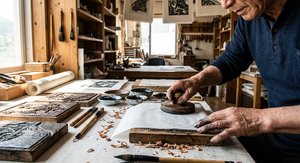
The Enduring Legacy of Woodblock Printmaking: Technique, History & Artistic Expression
Explore the rich history of woodblock printmaking – from ancient techniques to Ukiyo-e masterpieces. Discover expert insights on collecting, preserving & appreciating this enduring art form.

Katsushika Hokusai: Las 25 Obras Maestras del Ukiyo-e que Transformaron el Arte Japonés | AllPaintingsStore
Descubre las 25 obras maestras de Katsushika Hokusai, el genio del ukiyo-e. Explora 'La Gran Ola', paisajes japoneses y su impacto en el arte moderno. Reproducciones de alta calidad para tu hogar en AllPaintingsStore.com.

Ukiyo-e: Un Viaje al Corazón del Mundo Flotante Japonés y su Legado Artístico
Descubre el fascinante mundo del Ukiyo-e, el arte japonés del Período Edo. Explora las técnicas de grabado, los maestros Hokusai y Hiroshige, y su legado perdurable. ¡Un viaje cultural inolvidable!

