


 Ver en contexto
 Enviar
 Compartir
 Detalles
 Guía
Guía

 Descargar
 Similares
 Radiografía
 Presentación de diapositivas
 Preguntas y respuestas
 Estadísticas
Breakfast Piece

- 49.0 x 41.0 cm


 Ver más
Giclée / Impresión de arte
Impresiones giclée o en lienzo de calidad de museo con producción rápida y opciones de acabado flexibles. ( Comprar pintura hecha a mano Cambiar a imagen digital)




P118B €10

P118H €10

P118W €10

P438Z €10

P508JH €12

P508YH €12

P805H €10

P805Z €10

P919BZ €10

P919G €10

P919XJ €10

P959ZH €10

P968JZ €12

W106C €8

W218G €10

W218JH €8

W218Y €10

W307PJ €10

W316G €10

W316PJ €8

W316Y €10

W398PJ €8

W4111J €10

W500HY €15

W500JH €15

W692G €12

W849H €8

W940BG €15

W953PJ €8




Elija entre nuestros tamaños predefinidos que respetan las proporciones originales de la obra.

Introduzca el ancho y el alto que necesite para adaptarse a su marco o pared. Una impresión solo puede recortarse, nunca hacerse más grande que la imagen original, por lo que un tamaño con una forma distinta perderá parte de la obra. Le enviaremos una maqueta digital para su aprobación antes de realizar cualquier impresión. La imagen que se muestra en esta página no refleja el recorte real; solo la maqueta lo hace.
Envío a todo el mundo () en 2 semanas en lugar de las 4/5 semanas estándar. (8 noviembre)

Envío exprés gratuito a todo el mundo

Lienzo de lino de alta calidad

Seguro de envío total

Garantía de reembolso de aranceles aduaneros

Garantía de fidelidad cromática exacta

Política de devolución de 100 días (solo por defectos)

Garantía de devolución del 100% del dinero

Descuento por cantidad
 La opción de vidrio solo está disponible en tamaños inferiores a 110 cm.

Breakfast Piece
Giclée / Impresión de arte
Dimensiones de la reproducción
-


Precio total final
€ 58
A Window into Dutch Domesticity: Willem van Aelst’s *Breakfast Piece*
Willem van Aelst's *Breakfast Piece*, painted in 1671, is more than just a still life; it’s a meticulously crafted snapshot of 17th-century Dutch life, brimming with the quiet luxury and observant detail that defined the Golden Age. Measuring a modest 49 x 41 cm, this oil on canvas work, currently housed in the Academy of Fine Arts Vienna, offers a captivating glimpse into a world where even the most commonplace objects – a bowl of fruit, a loaf of bread, onions, and a glass vase – were elevated to subjects of profound artistic consideration. Van Aelst’s mastery lies not merely in his technical skill but in his ability to imbue these everyday items with a sense of palpable presence, inviting the viewer into an intimate moment of domestic tranquility.
Chiaroscuro and the Illusion of Depth
The painting's impact is immediately drawn from Van Aelst’s masterful use of chiaroscuro – the dramatic interplay of light and shadow. This technique isn’t simply decorative; it’s fundamental to creating a convincing illusion of three-dimensionality, allowing each object to appear almost tangible. The artist meticulously renders textures with astonishing accuracy: the rough skin of the onions contrasts sharply with the smooth surface of the glass vase, while the glistening fish reflects light in a way that suggests freshness and vitality. The dark tablecloth, acting as a stage backdrop, further emphasizes the luminous quality of the food items, drawing the eye towards their intricate details.
A Reflection of Dutch Society – Symbolism and Context
*Breakfast Piece* provides a valuable window into the social and cultural values of 17th-century Holland. The abundance of food—a symbol of prosperity and good fortune—reflects the economic strength of the Dutch Republic at the time. The composition, with its triangular arrangement, echoes classical principles of harmony and balance, reflecting the influence of Renaissance art on the Dutch Golden Age. While seemingly a simple still life, it subtly engages with the *vanitas* theme – a reminder of mortality and the fleeting nature of earthly pleasures – a common motif in Dutch Baroque painting. The artist’s meticulous attention to detail speaks to the importance placed on material possessions and the appreciation for beauty within the domestic sphere.
The Artistry of Willem van Aelst
Willem van Aelst was a true innovator in the field of still life painting. Born in Delft in 1626, he dedicated his career to capturing the nuances of everyday objects with unparalleled precision and artistry. His work exemplifies the meticulous realism that characterized the Dutch Golden Age, showcasing a deep understanding of light, texture, and composition. Van Aelst’s legacy rests on his ability to transform ordinary subjects into extraordinary works of art, solidifying his place as one of the most important still life painters of his era. This piece is a testament to his dedication to detail and his profound appreciation for the beauty found in the simplest of things.
Preguntas y respuestas
¿Qué tipo de pieza es "Breakfast Piece"?
"Breakfast Piece" de Willem Van Aelst está clasificada como WallArt. Esta categoría describe la técnica o el tipo de obra de arte que representa el original.
¿Puedo examinar "Breakfast Piece" con más detalle?
"Breakfast Piece" puede examinarse capa por capa en la página Radiografía de la obra, un visor inspirado en una mesa de luz de restauración que ofrece once lecturas ópticas de la imagen.
¿De qué país es la obra del Baroque Still Life "Breakfast Piece"?
La obra de Baroque Still Life "Breakfast Piece" fue realizada por un artista nacido en Países Bajos.
Obras relacionadas


Biografía del artista
Un Maestro de la Edad de Oro Holandesa
Willem van Aelst emergió de las legendarias calles de Delft como una figura preeminente de la Edad de Oro holandesa, un período definido por una prosperidad sin igual y un refinamiento artístico excepcional. Nacido en el seno de una familia de destacados magistrados de la ciudad, su camino hacia el lienzo estuvo trazado por su linaje y la mentoría. Inició su viaje artístico bajo la mirada atenta de su tío, Evert van Aelst, un respetado pintor de naturalezas muertas que le inculcó las técnicas fundamentales del género. Para 1643, Van Aelst había ingresado oficialmente en el Gremio de San Lucas en Delft, marcando su transición de aprendiz a maestro.
Su carrera temprana estuvo marcada por un espíritu expansivo y cosmopolita que lo llevó mucho más allá de las fronteras de los Países Bajos. Entre 1645 y 1649, vivió en Francia y, posteriormente, viajó a Italia, donde sus talentos cosecharon el reconocimiento internacional. En Florencia, se desempeñó como pintor de la corte de Ferdinando II de' Medici, el Gran Duque de Toscana. Durante este ilustre período, fue conocido por su nombre italianizado Guillielmo d'Olanda, y su destreza era tan valorada que el Gran Duque lo honró públicamente con una cadena de oro y una medalla. Esta exposición a la luz mediterránea y a los sofisticados gustos de la corte de los Médici enriqueció, sin duda, su vocabulario visual.
El Arte de la Quietud y el Simbolismo
Van Aelst se especializó en los exquisitos reinos de la pintura de naturaleza muerta, centrándose específicamente en arreglos florales y piezas de caza. Su obra es celebrada por su capacidad para transformar lo mundano en algo magnífico. Ya fuera representando una Pieza de Desayuno o una colección de trofeos de caza, poseía una habilidad singular para dotar a los objetos inanimados de una presencia palpable y vibrante. Sus composiciones utilizaban a menudo el chiaroscuso —el dramático juego entre luz y sombra— para crear una profunda ilusión de profundidad y textura. En sus manos, la piel rugosa de una cebolla, la delicada translucidez de un jarrón de cristal o el plumaje brillante de un ave se convertían en sujetos de un intenso compromiso psicológico y sensorial.
Más allá de la mera virtuosismo técnico, las pinturas de Van Aelst servían como complejos tapices de significado. Sus obras exploraban con frecuencia la tensión entre la belleza y la decadencia, reflejando la fascinación del siglo XVII por la vanitas: la naturaleza fugaz de la vida. En piezas como su Naturaleza Muerta con Pájaros Muertos y Armas de Caza, capturó una belleza inquietante que hablaba de temas como el honor, la muerte y el precario equilibrio del mundo natural. Su capacidad para entrelazar la prosperidad con la mortalidad permitió que su arte resonara profundamente con los valores sociales y culturales de la República Holandesa.
Legado e Influencia Artística
Al regresar a los Países Bajos, Van Aelst se estableció en Ámsterdam, donde se convirtió en uno de los pintores de naturalezas muertas más prominentes de su generación. Su éxito le permitió residir en el prestigioso distrito de Prinsengracht, un testimonio de su posición en el mundo del arte. Su influencia se extendió mucho más allá de sus propios trazos, ya que se convirtió en maestro de varios artistas notables que llevarían adelante las tradiciones de la naturaleza muerta holandesa, entre ellos:
- Rachel Ruysch
- Isaac Denies
- Maria van Oosterwijck
- Ernst Stuven
La importancia histórica de Willem van Aelst reside no solo en su maestría individual, sino en su papel como puente entre las tradiciones locales de Delft y las grandes cortes europeas. Sus obras permanecen preservadas en algunas de las instituciones más estimadas del mundo, incluyendo la National Gallery of Art y los Staatliche Museen zu Berlin, asegurando que sus meticulosas observaciones de la vida, la luz y la sombra continúen cautivando a los espectadores siglos después de su partida.

Willem Van Aelst
1626 - 1683 , Países Bajos
Datos clave
- Artistic Movement Or Style: Edad de Oro holandesa
- Artists Or Movements Influenced By This Artist:
- Rachel Ruysch
- Isaac Denies
- Maria van Oosterwijck
- Ernst Stuven
- Artists Who Influenced This Artist:
- Evert van Aelst
- Otto Marseus van Schrieck
- Date Of Birth: 1626
- Date Of Death: 1683
- Full Name: Willem van Aelst
- Nationality: Holandés
- Notable Artworks:
- Bodegón de desayuno
- Naturaleza muerta con aves
- Naturaleza muerta con pájaros muertos y armas de caza
- Place Of Birth: Delft, Países Bajos
Artículos relacionados

Willem van de Velde the Elder: Master of Maritime Painting & Chronicler of the Dutch Golden Age
Discover the captivating maritime paintings of Willem van de Velde the Elder, a master chronicler of the Dutch Golden Age. Explore his unparalleled realism and lasting influence on naval art history.

Abraham Hendricksz van Beyeren: Pioneering Dutch Still Life & the Banquet Tradition
Explore the captivating world of Dutch Golden Age still life with Abraham van Beyeren. Discover his innovative techniques, symbolic banquet scenes & lasting influence on art history. Learn about collecting these masterpieces.

Golden Light & Dutch Skies: The Timeless Magic of Dutch Golden Age Landscapes
Discover the breathtaking beauty of Dutch Golden Age landscapes. Explore the mastery of light, chiaroscuro, and 17th-century realism through an expert art history lens, celebrating the enduring legacy of the Dutch Masters for discerning collectors and art lovers.

Luz y Sombra: Las 25 Mejores Obras Maestras de Rembrandt van Rijn
Explora las 25 obras maestras de Rembrandt y su claroscuro. Encuentra reproducciones de museo en AllPaintingsStore.com.
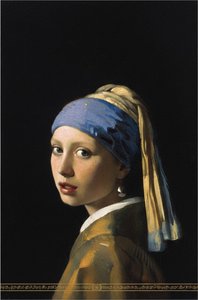
Los 10 Maestros del Siglo de Oro Holandés: Arte, Historia y Decoración Exclusiva
Descubre los 10 imprescindibles del Siglo de Oro Holandés: Rembrandt, Vermeer y más. Explora la historia, técnica y belleza de estos lienzos clásicos. Encuentra reproducciones de arte exclusivas para decorar tu hogar en .
