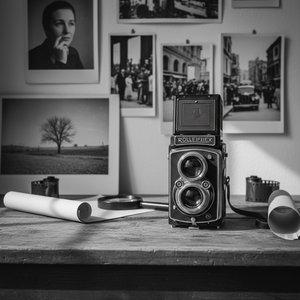
1940. , 93.0 x 72.0 cm.

§ 1Catalogue data
 Harlem Renaissance
 1940
1940- Modern
 93.0 x 72.0 cm
Esta obra está protegida por derechos de autor
La obra de arte que se muestra en esta página está protegida por las leyes de propiedad intelectual, lo que significa que no podemos crear ni vender legalmente una reproducción idéntica. Esta protección se hace cumplir en virtud de acuerdos internacionales como el Convenio de Berna y por las leyes nacionales, incluidas aquellas establecidas por el Ley de derechos de autor de los EE. UU. - Título 17.
Como una alternativa respetuosa y legal, ofrecemos obras de arte personalizadas y pintadas a mano inspiradas en la original. Nuestros expertos y profesionales del arte estudian cuidadosamente el estilo, el sentimiento y la esencia artística de la obra original para crear una pieza nueva y única que evoque la misma sensación, siendo al mismo tiempo una creación original por derecho propio.
Este método cumple plenamente con las normativas de derechos de autor, ya que no implica la copia ni la duplicación de la obra protegida. En su lugar, se trata de una reinterpretación creativa: una nueva pintura influenciada por la original, pero que no es idéntica a ella.
 Leer más información
§ 2Abstract
Descripción del objeto
A poignant black and white depiction of a quiet moment between two figures at a cafe by Harlem Renaissance master William H. Johnson invites you to explore the soulful depth of this 1940 modernist masterpiece.
Biografía del artista
William H. Johnson (1901-1970) fue un pintor estadounidense clave del Renacimiento Harlem, reconocido por sus expresivos retratos y representaciones de la vida afroamericana con estilo folclórico. ¡Descubre obras maestras como "El Cristo Negro" y explora su legado artístico!
§ 3Commentary
A Quiet Moment in Time: The Intimacy of Café
In the evocative stillness of 1940, William H. Johnson captured a fragment of urban life that transcends the simple act of sitting in a cafe. This monochrome masterpiece invites the viewer into a private, almost cinematic moment between two figures. The composition centers on a man and a woman, their presence anchored by the weight of shared silence and the clinking of glassware. As they sit at their table, surrounded by the humble artifacts of a midday break—cups, a wine glass, and even the modern intrusion of a cell phone—there is a profound sense of stillness that halts the frantic pace of the outside world. The black and white palette strips away the distractions of color, forcing our gaze to linger on the textures of fabric, the play of light on glass, and the subtle geometry of their arrangement.
The technique employed here reflects Johnson’s unique ability to blend modernist sensibilities with a deeply grounded, soulful realism. While his later works became celebrated for their vibrant, folk-inspired colors and bold abstractions, this piece demonstrates a masterful command of tonal range and structural composition. The artist uses light and shadow to sculpt the figures, giving them a physical presence that feels both monumental and fragile. There is a rhythmic quality to the placement of objects on the table, creating a visual melody that guides the eye from the man’s hat and tie to the delicate curve of a woman's white top. This careful balance of form ensures that the painting functions not just as a portrait of people, but as a study of space and atmosphere.
Beyond its aesthetic beauty, Café carries an emotional resonance that speaks to the universal human experience of companionship and solitude. Within the historical context of the mid-20th century, Johnson’s work often navigated the complexities of identity and social connection. Here, the subjects exist in a sanctuary of their own making, shielded from the broader societal shifts of the era. The presence of the partially visible figure in the background adds a layer of depth, reminding us that while this moment feels private, it is part of a larger, breathing world. For the collector or interior designer, this piece offers more than mere decoration; it provides a focal point of contemplative elegance. It is an artwork that breathes life into a room, offering a sophisticated window into a quiet, timeless intersection of human connection.
Preguntas y respuestas
¿Qué intensidad de color tiene "Café" de William H. Johnson?
Los colores en "Café" de William H. Johnson tienen una intensidad Balanced.
¿Quién creó "Café" y de qué estilo es?
"Café" es una obra de William H. Johnson perteneciente al movimiento Harlem Renaissance.
¿Cuál es el tono predominante en "Café"?
Un tono Green to Violet Spectrum recorre "Café" de William H. Johnson.


 Cambiar a impresiones


 Para obras de arte o reproducciones que midan más de 105 cm (aproximadamente 41 pulgadas) en cualquiera de sus lados, el marco se enviará como un kit desmontado. Este método garantiza una entrega segura y evita daños durante el transporte.