Efim Mikhailovich Shaposhnikov: A Visionary of Soviet Fairytale Illustration
Efim Mikhailovich Shaposhnikov (1926 – 1971) emerged from the artistic landscape of Sochi, Russia, leaving behind a legacy as one of the foremost illustrators of his time—specifically within the realm of Soviet children’s literature. His distinctive style captivated audiences and cemented his place as a significant figure in shaping visual narratives for younger generations during the Cold War era.Early Life and Artistic Beginnings
Born in 1926, Shaposhnikov's formative years were steeped in the artistic traditions of Sochi, a city renowned for its vibrant cultural scene and connection to Russian folklore. While biographical details remain somewhat sparse—likely reflecting the limitations imposed by historical archives—evidence suggests he honed his skills initially through academic pursuits before dedicating himself wholeheartedly to illustration. His training likely encompassed classical drawing techniques alongside explorations into expressive color palettes, preparing him for the challenges of translating literary tales into compelling visual representations.The Artistry of ‘The Boy of the Hare’s Tail’
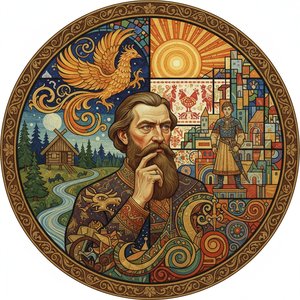
Shaposhnikov gained considerable renown for his masterful depiction of Mikhail Demyansky's beloved fairytale “The Boy of the Hare’s Tail.” This artwork exemplifies his signature approach: a blend of meticulous detail and lyrical imagination. The illustration showcases a captivating scene—a young boy venturing into the enchanted forest, encountering fantastical creatures and navigating perilous obstacles—all rendered with remarkable sensitivity to light and shadow. Shaposhnikov's use of muted earthy tones combined with splashes of vibrant color creates an atmosphere that is both inviting and imbued with symbolic resonance. It’s a testament to his ability to capture not just the plot but also the emotional core of the story, transporting viewers into a world brimming with wonder and enchantment. His meticulous attention to texture and composition elevated the artwork beyond mere visual representation—it became a conduit for conveying profound themes of courage, compassion, and resilience.Influences and Artistic Style
Shaposhnikov's artistic sensibilities were undoubtedly shaped by the broader context of Soviet art—particularly its emphasis on socialist realism. However, he transcended mere adherence to stylistic conventions, cultivating a personal aesthetic characterized by an exceptional command of line and color. His drawings possessed a remarkable fluidity and grace, conveying movement and emotion with subtle yet powerful gestures. Furthermore, Shaposhnikov drew inspiration from Russian folklore and mythology, incorporating motifs of animals, plants, and magical transformations into his illustrations—a deliberate choice that reflected the cultural values of his time. This stylistic fusion resulted in an artwork that was simultaneously grounded in tradition and imbued with imaginative vision.Major Achievements and Legacy
Shaposhnikov’s contribution to Soviet children's literature is undeniable. His artwork continues to resonate with readers today, preserving a glimpse into the artistic spirit of the 1960s and 70s. More than just aesthetically pleasing images, his illustrations served as conduits for transmitting moral lessons and fostering an appreciation for Russian cultural heritage. Shaposhnikov’s enduring influence underscores the importance of visual storytelling in shaping young minds and safeguarding traditions—a legacy that secures his place among Russia's celebrated illustrators. He remains a symbol of artistic integrity and creative exploration within the annals of Soviet art history.Preguntas y respuestas
¿Qué tan populares son las obras de Efim Mikhailovich Shaposhnikov?
Existe una página de Estadísticas para Efim Mikhailovich Shaposhnikov, que presenta estadísticas sobre las obras del artista en este sitio web.
¿Cuál es el lugar y el año de nacimiento de Efim Mikhailovich Shaposhnikov?
Efim Mikhailovich Shaposhnikov nació en Sochi en 1926.
¿Cuántas obras de Efim Mikhailovich Shaposhnikov hay disponibles para explorar?
Puede explorar 1 obra de arte obras de Efim Mikhailovich Shaposhnikov en la página Todas las obras.