early life and career
Richard Henry Park (1832-1902) was an American sculptor born in the United States, though his birthplace remains undisclosed. From a young age, he demonstrated a passion for artistic creation, immersing himself in the craft of marble carving under the tutelage of Erastus Dow Palmer, a prominent neoclassical sculptor who profoundly shaped his formative years and instilled within him the foundational principles of sculptural technique. This apprenticeship provided invaluable experience and established Park’s dedication to mastering the art form.notable works
Park's artistic legacy rests upon a remarkable collection of monumental sculptures that stand as testaments to his skill and vision. Among these achievements is the Marble Bust of John Plankinton, capturing the likeness of a respected figure with meticulous detail—a piece emblematic of Park’s ability to convey character and emotion through stone. Equally significant was the George Washington Monument erected in Milwaukee, Wisconsin; this bronze statue represents the city's inaugural public artwork and cemented Park’s reputation as a pioneer in American sculptural history. Furthermore, his contributions to the 1893 Chicago World’s Fair showcased his versatility and commitment to artistic innovation, resulting in impressive sculptures that captivated audiences during the exposition. His masterful execution of Thomas A. Hendricks’ statue—a portrait commemorating the Vice President—demonstrates Park's unwavering dedication to capturing the essence of his subjects.artistic style and legacy
Park’s sculptural style is characterized by an uncompromising pursuit of realism combined with a sophisticated understanding of artistic mediums. He skillfully employed bronze, achieving remarkable textural qualities that brought his figures to life. His influence extended beyond his own creations; Lee Lawrie, who apprenticed under Park from 1891 to 1894, carried forward Park’s techniques and aesthetic sensibilities into his own work, ensuring the continuation of a distinguished artistic tradition.museums and collections
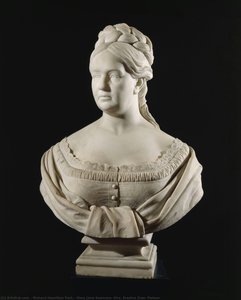
Park's sculptures are proudly displayed in institutions dedicated to preserving American art heritage. The Mercer Museum houses a substantial collection showcasing diverse artifacts—a valuable resource for understanding the daily life of Americans during the nineteenth century. Similarly, Museum Lincoln Guildhall showcases an impressive assemblage of American artworks, furthering scholarly research and appreciation for artistic expression. links to relevant artworks on AllPaintingsStore.com:- Mary Jane Seamans (Mrs. Erastus Dow) Palmer by Richard Hamilton Park
- Erastus Dow Palmer (1817-1904) by Richard Hamilton Park
Preguntas y respuestas
¿Dónde se encuentran las obras de Richard Hamilton Park organizadas por color?
El Índice Espectral de Richard Hamilton Park es una página que organiza las obras del artista por sus colores.
¿Cómo se divide la trayectoria de Richard Hamilton Park en periodos?
La trayectoria de Richard Hamilton Park se despliega etapa por etapa en la página Crónica: una línea de tiempo horizontal de sus obras, agrupadas en capítulos según sus periodos creativos.
¿Cómo puedo encontrar obras de Richard Hamilton Park sobre un tema específico?
La página Por palabras clave de Richard Hamilton Park agrupa las obras del artista por sus palabras clave.