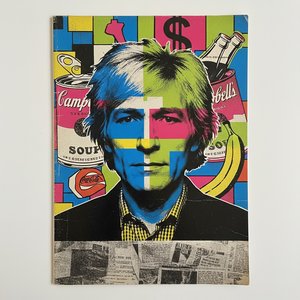
Acrylic On Canvas.

§ 1Kataloogandmed


See teos on autoriõigusega kaitstud
Sellel lehel kuvatav kunstiteos on kaitstud autoriõigusega, mis tähendab, et meil ei ole seaduslikku õigust luua või müüa identset reproduktsiooni. Seda kaitset rakendatakse rahvusvaheliste kokkulepete alusel, nagu näiteks Berne konventsioon ning riiklike seadustega, sealhulgas nendega, mida on sätestatud USA autoriõiguse seadus – 17. peatükk.
Austasena ja seaduslikuna alternatiivina pakume originaalist inspireeritud, käsitsi maalitud isikupärastatud teoseid. Meie osutavad ja professionalsed kunstnikud uurivad hoolikalt originaali stiili, meelemoi ja kunstilist olemust, et luua uus, ainulaadne teos, mis tekitab sama tunnet – olles samal ajal omaette originaalne looming.
See meetod järgib täielikult autoriõiguse reegleid, kuna see ei põhine kaitstud kunstiteose kopeerimisel või dupliteerimisel. Selle asemel on tegu loova reinterpreetatsiooniga – uue maaldisega, mis on algteosest inspireeritud, kuid ei ole sellest identiline.
 Loe lähemalt
§ 2Abstraktne
Kogumisobjekti kirjeldus
Kunstniku elulugu
Avasta Andy Warholi (1928–1987) ikooniline popkunst – Marilyni siidisõeltrükid, Campelli tosupurgid ja kuulsuste kultuur. Tutvu tema püsiva mõjuga kunstile!
§ 3Kommentaar
A Moment Frozen in Pop: Andy Warhol’s Iconic Time Magazine Cover
Andy Warhol's reimagining of Michael Jackson for TIME magazine in 1983 isn’t merely a portrait; it’s a crystallized explosion of celebrity, pop culture, and the very essence of Warhol’s artistic philosophy. This striking image transcends its origins as a news cover, evolving into a potent symbol of an era – the late 1980s, a time of unprecedented media saturation and the rise of the superstar. The painting captures Jackson in a moment of serene confidence, his signature smile radiating an almost unsettling stillness. The deliberate simplicity of the composition—a close-up of his face against a vibrant, pulsating background of yellow and red – immediately draws the viewer in, demanding attention and prompting reflection on the nature of fame and representation.
Pop Art’s Bold Embrace: Technique and Style
Warhol's signature technique—the silkscreen print—is crucial to understanding this work. He employed a process borrowed from commercial printing, applying ink through a stencil onto the canvas. This method, while seemingly straightforward, lends an incredible level of precision and flatness to the image, characteristic of Pop Art. The bold, saturated colors are not meant to mimic reality but rather to evoke immediate recognition and emotional response. Notice how the yellow and red aren’t blended; they exist as distinct blocks, creating a dynamic tension within the composition. The meticulous layering of color, achieved through multiple screens, is a testament to Warhol's dedication to his craft – a dedication that transformed everyday imagery into works of art.
Echoes of History: Magazine Culture and Celebrity
To appreciate this piece fully, it’s essential to consider the context of 1983. TIME magazine was already a powerful force in shaping public opinion, and featuring Michael Jackson on its cover represented a monumental cultural event. Jackson's unprecedented popularity—fueled by his music, dance moves, and global appeal—made him an irresistible subject for Warhol. The painting cleverly mirrors the glossy, highly-produced aesthetic of contemporary magazines, utilizing similar color palettes and compositional strategies. It’s a deliberate engagement with the visual language of mass media, questioning its influence on our perception of reality and celebrity.
Symbolism and the Cult of Personality
The image is rich in symbolic meaning. Michael Jackson's smile, often interpreted as enigmatic or even slightly unsettling, reflects the complex nature of fame – a carefully constructed persona presented to the world. The bright colors contribute to an almost overwhelming sense of spectacle, mirroring the relentless media attention surrounding Jackson at the time. Furthermore, the painting can be seen as a commentary on the commodification of celebrity; Warhol reduces Jackson’s image to its most recognizable elements—his face and smile—transforming him into a mass-produced icon. The inclusion of the two indistinct figures in the background subtly suggests the audience – the viewers consuming this spectacle.
AllPaintingsStore offers meticulously crafted, hand-painted reproductions of Andy Warhol’s “Time Magazine Cover,” allowing you to bring this iconic piece into your home or office. Each reproduction captures the vibrancy and energy of the original while retaining the unique qualities of Warhol's distinctive style. Explore our collection today and own a piece of pop art history.
Korduvad küsimused
Kuidas on "Time Magazine Cover" ajalooliselt positsioneeritud?
Ajalooliselt on "Time Magazine Cover" laiemast Contemporary ajast pärit Pop Art teos.
Millist värvigamma teos "Time Magazine Cover" kasutab?
Teoses „Time Magazine Cover“, autor Andy Warhol on kasutatud Earthy väripaletti, mis kokkuvõtab teose üldist värilist olemust.
Kuidas teos "Time Magazine Cover" tasakaalustab valgust ja pimendust?
Teose "Time Magazine Cover" üldine ere on bright ning selle luminants on Gentle Luminance.


 Lülita trükkitoodetele


 Kunstiteoste või reproduktsioonide puhul, mille üks külg on üle 105 cm (umbikmolt 41 tolli), saadetakse raam kirjal asendis, la Dismantlitud komplektina. See meetod tagab ohutuse kohaletoimetamisel ja väldib transpordil tekkivaid kahjustusi.