

Acrylic On Canvas.

§ 1Catalogue data

See teos on autoriõigusega kaitstud
Sellel lehel kuvatav kunstiteos on kaitstud autoriõigusega, mis tähendab, et meil ei ole seaduslikku õigust luua või müüa identset reproduktsiooni. Seda kaitset rakendatakse rahvusvaheliste kokkulepete alusel, nagu näiteks Berne konventsioon ning riiklike seadustega, sealhulgas nendega, mida on sätestatud USA autoriõiguse seadus – 17. peatükk.
Austasena ja seaduslikuna alternatiivina pakume originaalist inspireeritud, käsitsi maalitud isikupärastatud teoseid. Meie osutavad ja professionalsed kunstnikud uurivad hoolikalt originaali stiili, meelemoi ja kunstilist olemust, et luua uus, ainulaadne teos, mis tekitab sama tunnet – olles samal ajal omaette originaalne looming.
See meetod järgib täielikult autoriõiguse reegleid, kuna see ei põhine kaitstud kunstiteose kopeerimisel või dupliteerimisel. Selle asemel on tegu loova reinterpreetatsiooniga – uue maaldisega, mis on algteosest inspireeritud, kuid ei ole sellest identiline.
 Loe lähemalt
§ 2Abstract
Kogumisobjekti kirjeldus
Kunstniku elulugu
Avasta Andy Warholi (1928–1987) ikooniline popkunst – Marilyni siidisõeltrükid, Campelli tosupurgid ja kuulsuste kultuur. Tutvu tema püsiva mõjuga kunstile!
§ 3Commentary
A Fragment of Cinematic Tension: Warhol’s “Untitled (1532)”
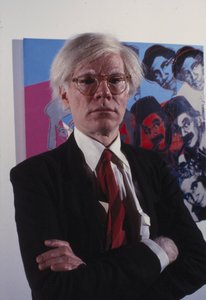
Andy Warhol's "Untitled (1532)" isn’t merely a painting; it’s a distilled moment of unsettling drama captured in silkscreen printmaking—a technique synonymous with Warhol’s groundbreaking exploration of celebrity and mass culture. Executed around 1967, this piece exemplifies the artist’s signature style: bold repetition, vibrant color palettes juxtaposed against stark black and white, and an almost unnerving stillness that belies the palpable tension radiating from its central subject matter. The photograph accompanying this description reveals a meticulously crafted image—a cinematic tableau frozen in time—that speaks volumes about Warhol's fascination with film noir and his desire to dissect the anxieties of American society during the Vietnam War era.- Subject Matter: At first glance, the composition presents two figures positioned before a screen displaying a film scene depicting violence – specifically, a man holding a knife menacingly close to another’s face. The inclusion of additional individuals watching adds to the unsettling atmosphere, suggesting an audience captivated by the unfolding drama.
- Style & Technique: Warhol's masterful use of silkscreen printing is crucial to understanding the artwork’s impact. This method allowed for rapid production and ensured consistent color reproduction across multiple prints—a deliberate choice that underscored Warhol’s belief in the democratization of art and challenged traditional notions of artistic originality.
Historical Context: Echoes of Film Noir and Societal Anxiety
“Untitled (1532)” resides firmly within the context of 1960s American culture, a period marked by profound social upheaval and fueled by anxieties surrounding political conflict and cultural change. Warhol’s artistic sensibilities were deeply influenced by film noir—the genre known for its shadowy visuals, morally ambiguous characters, and exploration of psychological darkness. The painting deliberately borrows stylistic elements from these films, mirroring their preoccupation with themes of violence, paranoia, and the fragility of human relationships. It's a visual commentary on the pervasive fear and uncertainty that gripped the nation during this turbulent time.Symbolism & Emotional Resonance
Beyond its cinematic references, “Untitled (1532)” carries symbolic weight. The screen itself represents mediation—the distance between observer and spectacle—highlighting Warhol’s critique of how media shapes our perceptions of reality. The knife symbolizes aggression and control, while the positioning of the figures underscores the vulnerability inherent in confronting danger. More broadly, the artwork evokes feelings of unease and apprehension, prompting viewers to contemplate questions about power dynamics and the psychological impact of witnessing violence.Interior Design Considerations
For interior designers seeking inspiration, Warhol’s “Untitled (1532)” offers a compelling dialogue between stillness and dynamism. Its bold color contrasts—primarily black and white punctuated by splashes of vibrant hues—can serve as a striking focal point within a space, injecting energy and visual interest. Furthermore, the artwork's exploration of psychological tension aligns with contemporary trends in design that prioritize creating environments conducive to contemplation and emotional resonance. A high-quality reproduction would undoubtedly elevate any interior aesthetic.Korduvad küsimused
Milline on teose „untitled (1532)“, autor Andy Warhol visuaalne heledus?
Üldiselt on teose "untitled (1532)" heledus registreeritud väärtusega bright. Perseeitud heledus kirjeldab, kui valguse või tumeda tundub teos olevat.
Milleks on teose „untitled (1532)“, autor Andy Warhol reproduktsiooni soovitatud kasutada?
Teose „untitled (1532)“, autor Andy Warhol soovituslik kasutusviis on Accent. Seda saab kasutada ka muudel eesmärkidel.
Millist etap Andy Warhol loomingus teos "untitled (1532)" esindab?
Teos "untitled (1532)" kuulub Andy Warhol loomingulise karjääri perioodi Mature Period. See klassifikatsioon seostab teose kunstniku loovliku arenguga.


 Lülita trükkitoodetele


 Kunstiteoste või reproduktsioonide puhul, mille üks külg on üle 105 cm (umbikmolt 41 tolli), saadetakse raam kirjal asendis, la Dismantlitud komplektina. See meetod tagab ohutuse kohaletoimetamisel ja väldib transpordil tekkivaid kahjustusi.


