


 Vaata sisu
 Jaga teost
 Jaga
Jaga
 Detailid
 Juhend

 Laadi alla
 Sarnased teosed
 Röntgenuuring
 Slaidietendus
 Statistika
La Donna Della Finestra


 Loe lähemalt
Käsitsi valmistatud õlimaalireproduktsioon
Meie kunstnike poolt tellimusel valmistatud käsitsi maalitud õli-kainaste teos teie soovitud suuruses ja raamis. ( Lülita trükkitoodetele Ülemineku digitaalse pildi müügi kanalisse)




P118B $10

P118H $10

P118W $10

P438Z $10

P508JH $12

P508YH $12

P805H $10

P805Z $10

P919BZ $10

P919G $10

P919XJ $10

P959ZH $10

P968JZ $12

W106C $8

W218G $10

W218JH $8

W218Y $10

W307PJ $10

W316G $10

W316PJ $8

W316Y $10

W398PJ $8

W4111J $10

W500HY $15

W500JH $15

W692G $12

W849H $8

W940BG $15

W953PJ $8




Vali meie eelmääratud suurused, mis vastavad teose algupärastele proportsioonidele.

Sa võite sisestada oma mõõtmed konkreetse raami või ruumi sobivuse tagamiseks. Kui teie valitud suurus ei vasta originaalpildi proportsioonidele, siis kärvime kunstiteost või laiendame maali täiendavate käsitsi maalitud elementidega. Enne tootmise algust saadetakse teile heakskiitmiseks digitaalne eelvaade.
Palun pidage meeles, et ekraanil kuvatav eelvaade ei kajasta tegelikku kärpimist või laiendamist. Ainult eelvaade näitab täpselt lõplikku kompositsiooni.
Kuigi on saadaval kohandatud suurused, soovitame originaalproportsioonide säilimiseks valida mõõdud eelmääratletud nimekirjast.
Pärast tellimust saadab AllPaintingsStore.com meeskond kliendile e-posti juhised ning esitab eelvaate kavandi
Maailmline tarne 3–4 nädala jooksul tavalise 5 nädala asemel. (21 september). Kvaliteedis kompromisse ei tehta.

Tasuta ekspresssaatmine üle maailma

Kõrgekvaliteediline lina-kangastest muld

Täielik transpordikindlustus

Tollimaksude tagastamise garantii

Värvitoime täpsuse garantii

100 päeva tagastusõigus (ainult defektide korral)

100% raha tagasi garantii

Hulgusoodustus
 Klaasivalik on saadaval ainult kuni 110 cm suuruses teostes

La Donna Della Finestra
Reproduktsiooni materjal
Reproduktsiooni mõõtmed
-


Lõppsumma
$ 258
A Window Into Romantic Beauty: Exploring Dante Gabriel Rossetti’s “La Donna Della Finestra”
“La Donna Della Finestra,” painted in 1879 by Dante Gabriel Rossetti, transcends mere portraiture; it embodies the very essence of Victorian Romanticism—a yearning for idealized beauty intertwined with melancholic contemplation. This captivating artwork captures a woman seated before a window, bathed in diffused light, and immediately draws the viewer into a scene brimming with subtle symbolism and masterful artistic execution.- Subject Matter & Composition: Rossetti’s focus is singular yet profound – a female figure presented against an expansive vista. The deliberate positioning of the woman emphasizes her solitude, inviting us to ponder upon themes of introspection and feminine vulnerability. The window itself serves as a crucial element, representing not just a physical space but also a conduit to imagination and emotional reflection—a motif prevalent in Romantic art.
- Style & Technique: Rossetti’s style aligns perfectly with the Pre-Raphaelite Brotherhood's aesthetic principles. He employs meticulous detail and luminous color palettes, characteristic of the movement’s commitment to reviving artistic ideals considered lost under Renaissance conventions. The brushstrokes are delicate yet confident, conveying a sense of fluidity and capturing the ephemeral quality of light—a technique that elevates the painting beyond simple representation.
Historical Context: The Pre-Raphaelite Ideal
The Pre-Raphaelites emerged in England during the mid-1850s as a reaction against what they perceived as the artificiality and academic rigidity of artistic traditions following Raphael. Influenced by medieval art and literature, particularly Dante Gabriel Rossetti’s fascination with Dante Alighieri, the Brotherhood championed an idealized vision of beauty rooted in sincerity and emotional truthfulness. “La Donna Della Finestra” exemplifies this ethos—a deliberate departure from conventional portraiture aimed at capturing not just likeness but also inner spirit.- Symbolism & Color Palette: Rossetti’s masterful use of color contributes significantly to the painting's emotional impact. The dominant hues – golds and reds – evoke feelings of warmth, passion, and nobility. The golden dress symbolizes wealth and status but also hints at an inner radiance—a reflection of the woman’s contemplative gaze. Furthermore, the potted plants serve as emblems of fertility and renewal, subtly reinforcing the painting's overarching theme of beauty and contemplation.
- Emotional Resonance: “La Donna Della Finestra” isn’t merely a depiction; it’s an invitation to engage with profound emotions. The woman’s melancholic expression speaks volumes about inner turmoil—a quiet sadness tempered by grace and dignity. Rossetti skillfully conveys this emotional complexity through subtle gestures and facial nuances, creating a portrait that lingers in the viewer's memory long after viewing.
Decorative Potential & Artistic Legacy
Today, “La Donna Della Finestra” continues to inspire designers and collectors alike. Its luminous color palette and evocative composition lend themselves beautifully to interior spaces—particularly those seeking a touch of Romantic elegance. Reproductions crafted with archival pigments offer an unparalleled opportunity to experience the painting’s original splendor, preserving its artistic integrity for generations to come. Rossetti's masterpiece stands as a testament to the enduring power of Romantic art – a timeless exploration of beauty, emotion, and the human spirit.Sarnased teosed


Kunstniku elulugu
A Life Immersed in Beauty: The World of Dante Gabriel Rossetti
Dante Gabriel Rossetti, born Gabriel Charles Dante Rossetti in 1828 London, was a figure profoundly shaped by the currents of his time—a Romantic spirit blossoming into the Victorian era. His lineage itself hinted at the artistic destiny that awaited him; his father, an Italian political refugee and scholar of Dante Alighieri, instilled within young Gabriel a deep reverence for literature and the arts. This early exposure, coupled with a mother who nurtured his intellectual curiosity, laid the foundation for a life dedicated to creative expression. Though initially considering a clerical career, Rossetti’s true calling lay in the realm of aesthetics—a path he would forge as a poet, illustrator, and, most notably, a painter whose works continue to captivate audiences today. His formative years were steeped in the literary giants of his age – Shakespeare, Dickens, Scott, Byron – all contributing to a rich imaginative landscape that would later define his artistic vision.Early Life and Artistic Beginnings
Gabriel Charles Dante Rossetti’s childhood was marked by intellectual stimulation and familial connections to the arts. His father, Gabriele Pasquale Giuseppe Rossetti, fled Italy after witnessing political upheaval—a refugee driven by convictions rooted in Dante Alighieri's humanist ideals. This heritage instilled within Gabriel a lifelong fascination with Italian literature and culture. Simultaneously, his mother, Frances Mary Lavinia Polidori, possessed a keen interest in the sciences and fostered Gabriel’s inquisitive spirit. He received a comprehensive education at King’s College School, where he honed his skills in German and immersed himself in classical texts—a formative experience that would shape his artistic sensibilities. Recognizing his innate talent for drawing from an early age, Rossetti pursued formal training at Sass's Drawing School, mastering techniques vital to the Pre-Raphaelite movement. This dedication to observation and meticulous craftsmanship became a hallmark of his artistic practice throughout his career.The Pre-Raphaelite Rebellion: A Return to Ideal Beauty
Dante Gabriel Rossetti’s artistic trajectory took an irreversible turn with the founding of the Pre-Raphaelite Brotherhood in 1848 alongside William Holman Hunt and John Everett Millais. Dissatisfied with the prevailing academic style—characterized by idealized forms and artificial colors—the Brotherhood sought inspiration from Italian and Flemish art *before* the High Renaissance, rejecting the conventions of the Royal Academy. This rebellious impulse stemmed from a shared conviction that true beauty resided in faithful representation of nature and spiritual truth. Rossetti’s early works exemplify this ethos, showcasing an astonishing level of detail alongside symbolic imagery drawn from religious texts—a testament to his unwavering commitment to artistic integrity. *The Girlhood of Mary Virgin*, arguably his most celebrated masterpiece, embodies the Brotherhood's aesthetic principles perfectly: luminous colors, precise draughtsmanship, and evocative symbolism convey a profound sense of serenity and contemplation. The painting’s meticulous depiction of Mary’s youthful innocence reflects Rossetti’s belief in the transformative power of beauty—a conviction that underpinned his entire artistic worldview.Poetry and Symbolism: Integrating Art and Literature
Beyond his visual art, Dante Gabriel Rossetti cultivated a prolific poetic career—producing volumes of verse infused with Romantic sensibilities and exploring themes of love, loss, and spiritual longing. His poems often served as companions to his paintings, creating a unified artistic experience that engaged both the eye and the mind—a characteristic feature of Pre-Raphaelite art. Rossetti’s stylistic evolution mirrored broader trends in Victorian culture—embracing psychological depth and delving into the complexities of human emotion. Influenced by poets like Keats and Blake, he experimented with unconventional forms and imagery, pushing boundaries of artistic expression. His masterful use of language—characterized by lyrical beauty and evocative symbolism—established him as one of the foremost lyric poets of his era. Poems such as *Goblin Market* and *The Blessed Damozel* exemplify Rossetti’s poetic genius—capturing moments of sublime wonder and conveying profound spiritual insights.Legacy and Influence: Shaping Aesthetic Vision
Dante Gabriel Rossetti's artistic legacy extends far beyond his own lifetime, profoundly impacting subsequent generations of artists and writers. He championed the Pre-Raphaelite movement’s pursuit of beauty and truth—challenging Victorian societal norms and advocating for a more imaginative approach to artmaking. His unwavering devotion to symbolism and emotional intensity paved the way for movements like Symbolism and Aestheticism—influences that resonate powerfully in contemporary artistic practice. Artists such as William Morris and Edward Burne-Jones drew inspiration from Rossetti’s aesthetic principles, incorporating them into their distinctive styles—a testament to his enduring influence on British art history. Dante Gabriel Rossetti remains an important figure in understanding not only the history of art but also the broader cultural context in which it was created—a period marked by intellectual ferment and a yearning for spiritual renewal. His unwavering belief in beauty’s transformative power continues to inspire artists and audiences alike, securing his place as one of the most significant voices in Victorian artistic culture.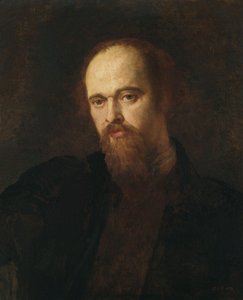
Dante Gabriel Rossetti
1828 - 1882 , Ühenduvaimiriik
Lühikest infot
- Artistic Movement Or Style: Pre-Raphaelite
- Artists Who Influenced This Artist:
- John Keats
- William Blake
- Date Of Birth: May 12, 1828
- Date Of Death: April 9, 1882
- Full Name: Dante Gabriel Rossetti
- Nationality: British
- Notable Artworks:
- Proserpine
- Joan of Arc
- King Rene's Honeymoon
- Place Of Birth: London, UK
Sarnased artiklid

Golden Glow: How to Use Metallic Gold Artworks to Elevate Your Home Decor with Timeless Luxury
Discover how to elevate your home with the timeless elegance of metallic gold artworks. From sculptural metal pieces to gilded oil paintings, learn expert interior design tips for integrating luxurious gold accents into your space with sophistication and grace.
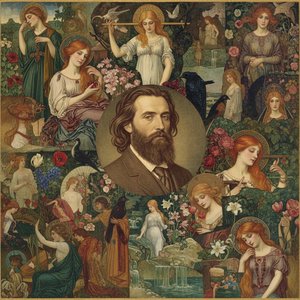
Dante Gabriel Rossetti 25 parimat teost: kunstiline pärand ja kodukaunistuse inspiratsioon
Avastage Dante Gabriel Rossetti 25 parimat teost! Sukeldume viktoriaanliku romantika ja Pre-Raphaelite kunstiliikumise maailma. Leidke inspiratsiooni kodukaunistuseks ning ostke kvaliteetseid Rossetti reproduktsioone AllPaintingsStore.com-is. Avastage kogu kollektsioon online!

The Allure of Gold in Art History: Symbolism, Technique & Cultural Significance
Explore the rich history of gold in art! Discover symbolism, techniques & cultural significance from ancient civilizations to Klimt's masterpieces. Expert insights for collectors at AllPaintingsStore.

Crimson Threads of Narrative: Exploring Symbolism & Representation in Artworks Featuring the Red Dress
Explore the rich symbolism of the red dress in art history! From ancient power displays to iconic portraits like Cézanne’s 'Madame Cezanne', discover the cultural and artistic significance behind this captivating color. Expert analysis & insights.

Golden Masterpieces: 10 Paintings That Define Art History | AllPaintingsStore
Explore 10 breathtaking paintings where gold leaf shines! From Klimt to Byzantine icons, discover art history’s most gilded masterpieces. Find museum-quality reproductions & elevate your home decor with AllPaintingsStore. Explore the full collection online.


