


 Eelvaade
 Saada
Saada Jaga
Jaga
 Teave teose kohta

 Laadi alla
 Sarnased teosed
 Röntgenuuring
 Slaidietendus
Quartet
 Expressionism
 60.0 x 182.0 cm
 Royal Northern College of Music
 Loe lähemalt
Giclée / Kunstiprint
Muuseumikvaliteediga giclée- või kangasprint kiire tootmisega ja paindlikud viimistlusvõimalused. ( Osta käsitsi maalitud maal Osta pilt)




































Vali meie eelmääratud suurused, mis vastavad teose algupärastele proportsioonidele.

Saate sisestada oma mõõdud, et need sobiks konkreetse raami või ruumi sisse. Kui valitud suurus ei vasta originaalteose proportsioonidele, lõigame teose ära või laiendame pilti peegeldatud või ühtlase servaga. Enne tootmisprotsessi algust saadetakse Teie kinnitamiseks digitaalne näidis.
Palun märka, et ekraanil kuvatav eelvaade ei kajasta tegelikku lõigamist või laiendamist. Ainult näidis kujutab täpselt lõplikku kompositsiooni.
Kuigi erimõõdu on saadaval, soovitame originaaproportsioonide säilitamiseks valida mõõt ette määratud nimekirjast.
Ülemaailmne tarne () 2 nädala jooksul, tavalise 4/5 nädala asemel. (14 august)

Tasuta ekspresssaatmine üle maailma

Kõrgekvaliteediline linakangas

Täielik transpordikindlustus

Tollimaksude tagastamise garantii

Värvitoime täpsuse garantii

60-päevane tagastusõig: ainult tootmisdefektide korral

100% raha tagasi garantii

Hulgusoodustus
 Klaasivalik on saadaval ainult suuruses kuni 110 cm

Quartet
Giclée / Kunstiprint
Reproduktsiooni suurus
-


Kogusumma
$ 64
Sarnased teosed
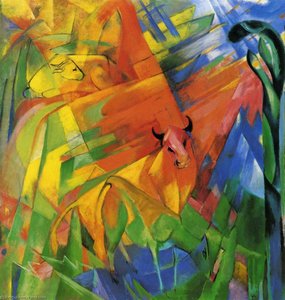


Kunstniku elulugu
Dorothy Bradford: Capturing Rhythm and Emotion Through Musical Portraits
Dorothy Bradford (1918 – 2008) stands as a singular figure in British art, renowned for her distinctive approach to portraying musicians—a fascination that permeated her artistic output throughout her prolific career. Born in Cockermouth, Cumbria, Bradford’s formative years were steeped in the influence of her father, Harry Bassano, who instilled within her a lifelong passion for visual arts and taught her at Liverpool College of Art. This early education laid the groundwork for her subsequent explorations into artistic expression and cemented her dedication to capturing the essence of performance art. Bradford's artistic journey began amidst the backdrop of World War II, where she married Don Bradford, who served in the Royal Navy during the conflict. Their life together fostered a nurturing environment for their family, allowing Bradford to pursue her creative endeavors while raising children. Notably, Bradford’s involvement with CEMA—the Council for the Encouragement of Music and the Arts—proved pivotal in shaping her artistic vision. This organization provided invaluable opportunities for her to immerse herself in musical performances and rehearsals, fueling her desire to translate these experiences into compelling visual representations. Her artistic style was characterized by a meticulous attention to detail and an intuitive grasp of musical rhythm and movement. Bradford’s technique involved capturing fleeting moments of performance—the posture of musicians, the subtle gestures of conductors—with remarkable precision using charcoal and pastel crayons. She skillfully blended realism with expressive abstraction, conveying not merely what she saw but also what she felt about the music itself. Her drawings were imbued with a palpable energy, reflecting the dynamism inherent in musical artistry. Bradford’s work gained recognition at institutions like the Bluecoat Gallery in Liverpool and Woodstock Gallery, showcasing her talent to a wider audience. Bradford's artistic legacy extends beyond individual artworks; she played an instrumental role in fostering artistic engagement within Yorkshire and Lancashire communities. Serving as Art Advisor to Ilkley Council, she championed initiatives aimed at promoting art education and enriching cultural life—a testament to her unwavering belief in the transformative power of creativity. Furthermore, Bradford’s involvement with the Leeds International Piano Competition solidified her reputation as a discerning observer and advocate for musical excellence. Her dedication to documenting performances underscored her conviction that visual art could illuminate the profound connections between human experience and artistic expression. Bradford's enduring influence on British art is undeniable. She demonstrated how artists can translate intangible concepts—such as emotion and movement—into tangible forms, leaving behind a body of work that continues to inspire admiration for its sensitivity and technical mastery. Her contribution to capturing the spirit of musical performance ensures her place among Britain’s most celebrated visual artists.
dorothy bradford
1918 - 2008
Lühikesed faktid
- Artistic Movement Or Style: Painting
- Artists Or Movements Influenced By This Artist: ['Impressionism']
- Artists Who Influenced This Artist:
- Raymond Coxon
- Ruskin Spear
- Date Of Death: 2008
- Full Name: Dorothy Bradford
- Nationality: British
- Notable Artworks: ['Rhythms of Life']
- Place Of Birth: Cockermouth, Cumbria
Seotud artiklid
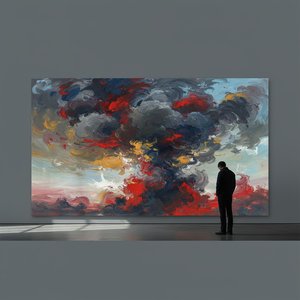
Beyond Representation: Exploring the Emotional Landscape of Abstract Expressionism
Explore the profound emotional world of Abstract Expressionism with AllPaintingsStore. Discover key artists like Pollock & Rothko, learn about collecting, and find museum-quality reproductions to inspire your space.

Beksiński's Apocalyptic Visions: Existential Dread & Surrealist Landscape
Explore the haunting surrealism of Zdzisław Beksiński, Poland's master of dystopian visions. Discover his artistic evolution, recurring themes & lasting impact on modern art. High-quality reproductions available.

Beyond Symbolism: Exploring the Spiritual Landscapes of Mikalojus Konstantinas Čiurlionis's Art
Explore the captivating world of Mikalojus Konstantinas Čiurlionis, a pioneer of abstract art. Discover his unique blend of music and painting, spiritual themes, and lasting influence on Lithuanian culture. Learn more at AllPaintingsStore.

From Snapshot to Canvas: The Art of Transforming Travel Photography into Timeless Oil Paintings
Transform your cherished travel photos into timeless oil paintings with expert artists at AllPaintingsStore.com. Museum-quality reproductions & custom portraits – preserve your memories beautifully.

From Imagination to Canvas: Commissioning Bespoke Fantasy Art with Traditional Oil Painting Techniques
Commission breathtaking bespoke fantasy art with skilled oil painters. Explore techniques, artist selection & preservation tips. Invest in a unique masterpiece today!



