


 Eelvaade
 Saada
Saada Jaga
Jaga
 Teave teose kohta
 Juhend

 Laadi alla
 Sarnased teosed
 Röntgenuuring
 Slaidietendus
 Q&A
Q&A Statistika
Les gitanos


 Loe lähemalt
Giclée / Kunstiprint
Muuseumikvaliteediga giclée- või kangasprint kiire tootmisega ja paindlikud viimistlusvõimalused. ( Osta käsitsi maalatud teos Lülita digitaalse pildi juurde)




P118B €10

P118H €10

P118W €10

P438Z €10

P508JH €12

P508YH €12

P805H €10

P805Z €10

P919BZ €10

P919G €10

P919XJ €10

P959ZH €10

P968JZ €12

W106C €8

W218G €10

W218JH €8

W218Y €10

W307PJ €10

W316G €10

W316PJ €8

W316Y €10

W398PJ €8

W4111J €10

W500HY €15

W500JH €15

W692G €12

W849H €8

W940BG €15

W953PJ €8




Vali meie eelmääratud suurused, mis vastavad teose algupärastele proportsioonidele.

Sisestage vajalik laius ja kõrgus, et see sobiks teie raamile või seinale. Trükki saab ainult lõigata, seda ei saa kunagi pildist suuremaks teha, seega ka erineva mustega suurus kaotab osa pildist. Enne trükkimist saadame teile kinnitamiseks digitaalse näidisprojektsiooni. Sellel lehel näidatud pilt ei kujuta reaalset lõiget — seda näitab ainult näidisprojektsioon.
Ülemaailmne tarne () 2 nädala jooksul, tavalise 4/5 nädala asemel. (31 oktoober)

Tasuta ekspresssaatmine üle maailma

Kõrgekvaliteediline lina-kangas

Täielik transpordikindlustus

Tollimaksude tagastamise garantii

Värvitoime täpsuse garantii

100 päeva tagastusõigus (ainult valmistusdefektide korral)

100% raha tagasi garantii

Hulgusoodustus
 Klaasivalik on saadaval ainult kuni 110 cm suuruses teostes

Les gitanos
Giclée / Kunstiprint
Reproduktsiooni suurus
-


Koguhind
€ 57
A Quiet Resonance in Monochrome: Manet’s Les Gitanos
In the vast, often turbulent history of 19th-century French art, there exist moments of profound stillness that capture the very essence of human connection. Édouard Manet’s Les Gitanos (The Gypsies) is one such masterpiece, offering a poignant and intimate glimpse into Romani life through the delicate medium of etching. Rather than presenting a grand, sweeping historical drama, Manet invites us into a private, domestic sphere—a quiet snapshot of a family caught in a moment of shared existence. The scene unfolds with a gentle rhythm: a man serenades his companions with the subtle notes of an instrument, perhaps a guitar, while a woman cradles a newborn, and a young child reaches upward, seeking connection or perhaps simply reacting to the music. It is a composition that breathes with the soft pulse of everyday life, finding beauty in the mundane and dignity in the humble.
The emotional weight of the piece lies in its ability to balance tenderness with an underlying sense of melancholy. There is a palpable atmosphere of hardship woven into the textures of the clothing and the weary yet resilient expressions of the figures. Manet, a painter often celebrated for his role in the birth of Impressionism, demonstrates here a masterful command of Realist principles. He avoids the temptation to romanticize or exoticize his subjects, choosing instead to depict them with an unflinching honesty. This approach allows the viewer to connect not with a stereotype of the "exotic wanderer," but with the universal truths of parenthood, family, and survival. For the collector or interior designer, this artwork offers a sophisticated emotional depth, providing a focal point that is both intellectually stimulating and deeply moving.
The Mastery of Line and Light
Technically, Les Gitanos is a triumph of printmaking, showcasing Manet’s extraordinary ability to manipulate the etching needle. Through the meticulous process of incising lines into a metal plate and allowing acid to bite into the surface, he achieves a breathtaking range of tonal variations. The artwork relies entirely on the density and weight of his linework; where the lines are sparse and delicate, light seems to dance across the skin of the figures; where they are layered in complex cross-hatching, deep, velvety shadows emerge to create form and volume. This monochromatic palette does not strip the scene of its vitality but rather concentrates it, forcing the eye to focus on the interplay of texture and the structural integrity of the composition.
The sense of depth within this small-scale work is remarkable. Manet utilizes a layered approach, placing the central family in the foreground while allowing other figures and elements of the landscape to recede into a soft, atmospheric background. This creates a subtle diagonal movement that guides the viewer’s gaze through the narrative arc of the piece. The diffused lighting, reminiscent of an overcast afternoon, softens the edges of the world, enveloping the subjects in a somber yet captivating glow. For those looking to adorn a space with art that possesses both structural strength and atmospheric grace, this etching serves as a perfect example of how technical precision can serve emotional storytelling.
A Legacy of Modernity and Truth
To understand Les Gitanos is to understand the rebellious spirit of Édouard Manet himself. As a pivotal figure who bridged the gap between the rigid traditions of the Academy and the radical energy of modernism, Manet spent his career challenging how we perceive reality. In this work, he rejects the polished perfection of his contemporaries in favor of a raw, unvarnished truth. He looks toward the marginalized members of French society—the Romani people who were often subject to prejudice—and grants them a sense of permanence and importance through his art. This historical context adds a layer of profound significance to the piece, transforming it from a mere depiction of a family into a social commentary on visibility and human dignity.
Integrating a high-quality reproduction of such a significant work into a curated collection or a modern interior can elevate the entire aesthetic of a room. The monochromatic nature of the etching allows it to harmonize with a wide variety of color palettes, from the muted tones of a minimalist sanctuary to the rich, dark woods of a classical study. It acts as a window into the 19th century, bringing with it a sense of history, a respect for craftsmanship, and an enduring appreciation for the quiet, beautiful moments that define our shared humanity.
Korduvad küsimused
Kes on teose "Les gitanos" kunstnik?
Teose "Les gitanos" looja on Édouard Manet. Teos on kataloogitud nime Édouard Manet all.
Mis on Édouard Manet pseudonüümid või alternatiivsed nimed?
Teised Édouard Manet jaoks kirjutatud nimed, teose "Les gitanos" looja, hõlmavad ka Edouard Manet, Mitte Segi Ajada Claude MonetGa.
Kust saan osta teose „Les gitanos“, autor Édouard Manet käsitsi maalatud reproduktsiooni?
Teose „Les gitanos“, autor Édouard Manet käsitsi maaldatud reproduktsiooni saab tellada otse selle Käsitsi maalatud reproduktsioon lehelt: käsitsi maalatud õlireproduktsioon linaelapale, valmistatud tellimusest.
Sarnased teosed


Kunstniku elulugu
Pariisi rebell: Édouard Maneti elu ja kunst
Édouard Manet, kes sündis 1832. aastal Pariisis jõukas ja heade sidemetega perekonnas, oli kõigest napilt vaba kunstniku elust, mis oleks muutnud kunsti ajalugu. Tema isa, austatud kohtunik, lootis pojale turvalist tulevikku õiguse või ehk mereväe teenistuses – auväärsed ametid, mis sobisid nende sotsiaalse seisuga. Siiski kuulus Maneti süda juba noorest peast kunstile. Üheteistaastaselt alustas ta formaalset joonistamist ja kuigi ta õppis mõnda aega akadeemilise maalija Thomas Couture'i käe all, leidis ta kiiresti, et Couture’i jäikud meetodid on piirduvad. See varajane vastupanu ennustas elu, mida veetis kunstiliste konventsioonidega võideldes. Manet ei soovinud lihtsalt minevikku reprodutseerida; ta püüdis tabada kaasaegse Pariisi elukirevust – ja mõnikord selle häirivat reaalsust. Ta külastas Louvre'i, mitte ainult vanade meistrite teoste koopiate tegemiseks, vaid nende tehnikate lahti võtmiseks, õppides Caravaggio ja Velázquez’ilt, kuidas valgus ja varjutus võivad vormi kujutada ja emotsioone esile kutsuda. Kuid tõeline pöördepunkt Maneti loomes oli Realismi tõus, mille pooldas Gustave Courbet. Courbet' viis lihtsustamata igapäevaelu kujutamine kõnetas Manetit sügavalt, vabastades ta ajalooliste või müütiliste teemade piirangutest.Pildistamatus ja innovatsioon: skandaalide ajastu
1860ndad olid Pariisis intensiivse kunstilise keemise aeg ning Manet leidis end selle keskpunktis. Jaapani prindivärkade – *ukiyo-e* – saabumine mõjutas sügavalt tema esteetilisi tundlikkusi. Ta oli lummatud nende tasandatud perspektiividest, julgetest kompositsioonidest ja silmapaistvast värvitoonide kasutamisest, mis said peagi iseloomulikuks tema stiilile. See mõjutus, koos akadeemilise viimistluse kasvava tagasilükkamisega, viis töödeni, mis šokeerisid ja skandaaliks muutsid Pariisi kunstimaailma. Le Déjeuner sur l'herbe (Murul lõuna), mille esitamine Salon des Refusés’il aastal 1863 – näitus teostele, mida ametlik Salon oli keelanud – sai vaidluste katalüsaatoriks. Maal, mis kujutas palja naist pidamas piknikku kahe riietatud mehega, ei puudutanud ainult alastust; see puudutas seda, *kui* alastus esitati. Maneti figuuridel polnud traditsiooniliste paljaste kujutiste idealiseeritud vorme ja müütilist konteksti. Nad olid kaasaegsed, asetades vaataja ees häiriva otsekohesusega. Skandaal Le Déjeuner’ga süvenes veel tema 1865. aasta meistriteosega, Olympia. See maal, mis oli otsene uusversioon Tiziani *Urbino Venuse*’st, esitas kaasaegse prostituudi, kes vaatas julgelt vaatajat silma. Vapustav realism ja provokatiivne teema kohtasid laialdast hukka-mõistmist. Kriitikud süüdistasid Manetit vulgaarsuses ja kunstilise ebapädevuse osas, kuid viha all peitus tunnustus, et ta muutis fundamentaalselt maalimiskeelt.Sild Impressionismile: valgus, pintslilöök ja kaasaegne elu
Kuigi Manet ei võtnud kunagi endasse “Impressionisti” etiketti, oli tema mõju liikumisele eelduseta. Ta jagas nende tagasilükkamist akadeemiliste konventsioonide suhtes ja pühendumust valguse ja atmosfääri lennukate efektide jäädvustamisele. Ta eksibitseris Monet’ga, Renoir’ga, Degas’ga ja teistega Impressionistidena nende iseseisvatel näitustel, kinnistades oma positsiooni avangardi peategelana. Maneti tehnika arenes lahtise pintslilöögiga, prioriteetides vormi muljet täpse detaili ees. Ta eksperimenteris värviga, kasutades sageli jõulisi kontraste dramaatiliste efektide loomiseks. Skandaalsete paljaste kujutuste kõrval uuris Manet laiemat valikut teemasid: portreede – sealhulgas silmapaistvaid kujutusi oma naisest Suzanne’st ja kunstnikust Émile Zola’st; Pariisi ööelu stseene, nagu A Bar at the Folies-Bergère, mis tabab suurepäraselt kaasaegse linnaelu võõrandumist ja vaatemängulisust; ning intiimseid koduseid stseene. Ta ei dokumenteerinud neid teemasid lihtsalt; ta küsitles neid, küsides ühiskondlikke norme ja väljakutsete konventsionaalsetele iluideedele.Pärand ja püsiv mõju
Édouard Maneti varajane surm 1883. aastal süüfilise tõttu lõpetas karjääri, mis oli juba muutnud kunstiajaloo käiku. Kuigi tema maine kasvas pärast surma oluliselt, oli tema mõju kohe tuntav noorematele kunstnikele, kes nägid temas vabastajat. Ta murdis piire, väljakutsete traditsioonilistele teemade, tehnikate ja kunstilise eesmärgi ideedele.- Tema kaasaegse elu tabamine rajas tee Impressionismile ja Post-Impressionismile.
- Tema innovatiivne pintslilöök ja värvitoonide kasutamine mõjutas põlvkondi maalijaid.
- Ta valmis silma vaatama ebameeldivatele tõdedele ühiskonnas, sundides vaatajaid küsima oma oletusi.
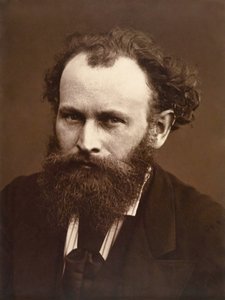
Édouard Manet
1832 - 1883 , Prantsusmaa
Lühikest infot
- Artistic Movement Or Style: Realism, Impressionism
- Artists Or Movements Influenced By This Artist:
- Claude Monet
- Pierre-Auguste Renoir
- Edgar Degas
- Impressionism
- Artists Who Influenced This Artist:
- Caravaggio
- Diego Velázquez
- Gustave Courbet
- Date Of Birth: 23. jaanuar 1832
- Date Of Death: 1883
- Full Name: Édouard Manet
- Nationality: Prantsuse
- Notable Artworks:
- Le Déjeuner sur l'herbe
- Olympia
- A Bar at the Folies-Bergère
- Place Of Birth: Pariis, Prantsusmaa
Sarnased artiklid

Realism in Art: A Professional Guide to Authentic Detail and Lifelike Masterpieces for Large-Scale Interior Projects
Master the use of Realism in professional interiors. This expert guide explores 19th-century masterpieces, offering procurement managers and designers technical insights into selecting authentic, hand-painted oil reproductions for high-end hotel and corporate projects.


