Eelvaade
 Saada
Saada Jaga
Jaga
 Teave teose kohta
 Juhend

 Laadi alla
 Sarnased teosed
 Röntgenuuring
 Slaidietendus
 Q&A
Q&A Statistika
Consolation

- 21.0 x 31.0 cm


 Loe lähemalt
Giclée / Kunstiprint
Muuseumikvaliteediga giclée- või kangasprint kiire tootmisega ja paindlikud viimistlusvõimalused. ( Osta käsitsi maalatud teos Lülita digitaalse pildi juurde)




P118B €10

P118H €10

P118W €10

P438Z €10

P508JH €12

P508YH €12

P805H €10

P805Z €10

P919BZ €10

P919G €10

P919XJ €10

P959ZH €10

P968JZ €12

W106C €8

W218G €10

W218JH €8

W218Y €10

W307PJ €10

W316G €10

W316PJ €8

W316Y €10

W398PJ €8

W4111J €10

W500HY €15

W500JH €15

W692G €12

W849H €8

W940BG €15

W953PJ €8




Vali meie eelmääratud suurused, mis vastavad teose algupärastele proportsioonidele.

Sisestage vajalik laius ja kõrgus, et see sobiks teie raamile või seinale. Trükki saab ainult lõigata, seda ei saa kunagi pildist suuremaks teha, seega ka erineva mustega suurus kaotab osa pildist. Enne trükkimist saadame teile kinnitamiseks digitaalse näidisprojektsiooni. Sellel lehel näidatud pilt ei kujuta reaalset lõiget — seda näitab ainult näidisprojektsioon.
Ülemaailmne tarne () 2 nädala jooksul, tavalise 4/5 nädala asemel. (2 november)

Tasuta ekspresssaatmine üle maailma

Kõrgekvaliteediline lina-kangas

Täielik transpordikindlustus

Tollimaksude tagastamise garantii

Värvitoime täpsuse garantii

100 päeva tagastusõigus (ainult valmistusdefektide korral)

100% raha tagasi garantii

Hulgusoodustus
 Klaasivalik on saadaval ainult kuni 110 cm suuruses teostes

Consolation
Giclée / Kunstiprint
Reproduktsiooni suurus
-


Koguhind
€ 57
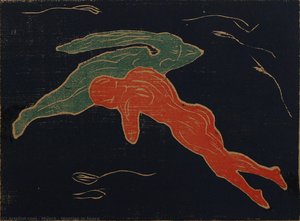
A Portrait of Anguish: Edvard Munch’s “Consolation”
Edvard Munch's "Consolation," painted in 1894, isn’t merely a depiction of an embrace; it’s a raw, visceral exploration of grief and the tentative promise of solace. This iconic work, rendered in stark monochrome etching on paper, stands as a cornerstone of Expressionism, capturing not just the outward appearance of sorrow but the profound emotional turmoil simmering beneath the surface. It's a painting that demands attention, pulling you into its shadowed depths with an almost unbearable intensity – a testament to Munch’s ability to translate his own inner demons onto the canvas.
The scene unfolds within a dimly lit interior space, dominated by the looming presence of two figures. A larger, nude male figure, embodying vulnerability and perhaps even despair, reaches out to embrace a smaller, partially obscured female form. The composition is deliberately centered around this intimate interaction, yet an unsettling sense of distance pervades the image. The background dissolves into a blurred abstraction of walls and shadows, creating a claustrophobic atmosphere that mirrors the emotional confinement experienced by both figures. Lines are aggressively textured – not smooth or refined, but jagged and restless, mirroring the turbulent emotions at play.
Technique and Materials: A Masterclass in Expressive Etching
Munch’s masterful use of etching is central to the painting's power. He employed a needle to meticulously transfer ink from a plate onto paper, creating an incredibly rich and layered surface. The deliberate scratching and layering of ink aren’t simply aesthetic choices; they are integral to conveying texture and emotion. The rough, tactile quality of the print invites viewers to almost *feel* the weight of sorrow pressing down on the figures. Notice how the darkest areas are achieved through multiple layers of ink, building up a dense, impenetrable blackness that symbolizes overwhelming grief. The subtle variations in tone – from the deepest shadows to the faintest hints of light – contribute to the painting’s dramatic intensity.
The choice of monochrome further amplifies the emotional impact. Color is often associated with joy and vibrancy; its absence here underscores the bleakness and despair at the heart of the scene. It forces the viewer to focus entirely on form, line, and texture – elements that become even more crucial in conveying the painting’s complex narrative.
Symbolism and Context: Echoes of Loss and Longing
“Consolation” is deeply rooted in Munch's personal experiences. Like much of his work, it grapples with themes of loss, illness, and mortality – subjects that haunted him throughout his life. The painting’s title itself suggests a search for comfort amidst suffering; the embrace represents an attempt to find solace in connection, yet the figures remain isolated within their own private worlds. The obscured female figure, often interpreted as a representation of Munch's sister, Laura, who died from tuberculosis, adds another layer of poignant grief.
Painted during a period of intense personal turmoil for Munch – following a mental breakdown and a failed marriage – “Consolation” reflects his own struggles with loneliness and despair. It’s not simply a depiction of sadness; it's an exploration of the *process* of grieving, capturing the awkwardness, vulnerability, and tentative hope that accompany the journey toward acceptance. The painting resonates powerfully because it taps into universal human experiences – the pain of loss, the yearning for connection, and the enduring search for meaning in a world often marked by suffering.
A Timeless Masterpiece: Reproduction and Beyond
Reproductions of “Consolation” offer a remarkable opportunity to bring this emotionally charged artwork into your home or office. High-quality hand-painted reproductions capture the intricate detail and textural richness of Munch’s original etching, allowing you to experience its power firsthand. Consider framing it in a dark wood frame to further enhance the painting's dramatic atmosphere. “Consolation” is more than just a beautiful image; it’s a profound meditation on the human condition – a timeless masterpiece that continues to resonate with viewers over a century after its creation.
Korduvad küsimused
Milline „Consolation“, autor Edvard Munch trükkimõõt sobib soovitud ruumile?
Soovitatav kombinatsioon teosele „Consolation“, autor Edvard Munch: Medium trükis Living Room-s.
Kuhu kohta „Consolation“, autor Edvard Munch reproduktsioon peaks rikutud?
Formaat (Landscape) ja soovitatav ruum (Living Room) on teose „Consolation“, autor Edvard Munch kohta kirjutatud kaks paigutusandmet.
Kas saan kasutada täiendatud reaalset, et näha teost „Consolation“, autor Edvard Munch oma toonas?
Teost „Consolation“, autor Edvard Munch saab omaenda seinal eelvaatata teose AR-eelvaade teose kohta lehe abil, kasutades ühendataval seadmel täiendatud reaalсust.
Sarnased teosed


Kunstniku elulugu
Varjupilte täis elu: Edvard Munchi maailm
Edvard Munch, sündinud 1863. aastal Norra karmide maastike keskel, oli kunstnik, keda peeti modernse ajastu ärevuse ja emotsionaalse rahutuse sümboliks. Tema elu, mis oli sügavalt märgistatud kaotustest ja leviva melanhooliaga, oli tema sügava väljendusrikka kunsti algallikaks. Lapsepõlv, mida varjutasid ema ja õe varajased surmad – mõlemad tuberkuloosi ohvrid – tekitas Munchis kummitava seletuse suremusele, haigustele ja inimhinge hapra olemusele. Need kogemused ei olnud pelgud biograafilised üksikasjad; need said tema kunstilise visiooni keskuseks, toetades väsimatut uurimistööd hirmu, leina ja igatsuse sisepäikese maastikul. Tema isa ranged religioossed veendumused ja isegi tema enda vaimusüsteemid aitasid kaasa hirmutundele, mis läbistas Munchi maailma, kujundades mitte ainult tema isiklikku elu, vaid ka tema maalide sümbolilist keelt. Ta ei tegelnud pelgud stseenidega; ta väljendas sisemist seisundit, tõlgitses psühholoogilist ahastust visuaalseks vormiks.
Väljendumise algus: mõjud ja kunstiline areng
Munchi kunstiline tee algas ametliku õppega Kristiania (Oslo) Kuninglikus Kunstikoolis, kuid just boheemlaslike ringkondade ja Hans Jægeri nihilistliku filosoofia kohtumine tekitas tõeliselt tema loova tule. Jæger julgustas Munchi loobuma konventsionaalsetest akadeemilistest stiilidest ja selle asemel sukelduma omaenda subjektiivse kogemuse sügavusse, kontseptsiooni, mille ta nimetas „hingemaaliks“. See pöördepaigutus tähistas Munchi eripärase stiili algust – ühte, mida iseloomustab toor emotsioon, moonduvad vormid ja rejekt naturalistliku esituse suhtes. Pariisi reis 1890ndatel tutvustas teda kasvavale postimpressionistlikule liikumisele, kus ta omandas mõjutusi sellistelt kunstnike nagu Paul Gauguini, Vincent van Goghi ja Henri de Toulouse-Lautreci käest. Neid meistrite värvide julge kasutamine, väljendusrikkad pintslilöökide ja psühholoogiline intensiivsus kõlasid sügavalt Munchi enda kunstilise kalduvusega. Ta ei jäljendanud pelgud nende tehnikaid; ta sünteesis neid midagi ainulaadset – visuaalset keelt, mis on võimeline edastama kõige süngemaid ja segasemaid inimemotsioone. Tema viibimine Berliinis osutus ka oluliseks, tuues ta kokku näitekirjanik August Strindbergiga, kelle psühholoogiliste teemade uurimine toitis veelgi Munchi kunstilisi uuringuid.
Ikoonilised visioonid: peamised tööd ja nende sümboliline kaal
Munchi looming on täis pilte, mis on muutunud kollektiivse teadvuse sügavasse osasse. The Scream (Karje), võib-olla tema ikoonilisem teos, ületab maalina staatuse ja muutub universaalseks ärevuse sümboliks. Keerlevad, tulerohelised maastikud ja figuuri moonduvad näojooned kehastavad algelist karjet universumi ükskõiksuse vastu. Madonna, skandaalne ja südamliku teos, uurib seksuaalsust, emast ja surematut ausalt. Korduvad motiivid nagu The Sick Child (Haige laps) – inspireeritud õe Sophie kaotusest – on melankoolsed meenutamised Munchi lapsepõlve traumast ja surma alalise varjuks. Melancholy I & II (Melanhoolia I & II), sügava kurbuse ja isolatsiooni võimsad kujutused, paljastavad haavatavuse, mis on nii südamliku isiklik kui ka universaalselt seostatav. Need tööd ei ole pelgud välise reaalsuse esitusi; need on aknad kunstniku hinge juurde, pakkudes vaatajale julge pilgu inimhinge pimedaimatesse nurkadesse. Munch ei püüdnud luua ilusaid pilte; ta otsis tõde – isegi kui see tõde oli valus ja segastav.
Püsiv pärand: ajalooline tähendus ja jätkuv mõjutus
Edvard Munchi panus modernse kunsti arengusse on mõõdetamatu. Ta seisab ekspressionismi arendamise võtmefiguurina, rajades teed kunstnikele, kes andsid eesrindlaseks subjektiivsele emotsioonile objektiivse esituse suhtes. Tema vankumatu uurimine universaalsete inimkogemuste – armastuse, kaotuse, ärevuse ja surma – vastu kõlab täna publikuga, kinnistades tema koha üheks kõige mõjukamaks ja püsivamaks kunstiajaloo tegelaseks. Tema töö mõjutas sügavalt järgmisi kunstnike põlvi, mõjutades liikumisi nagu Saksa ekspressionism ja kaugemale. Ta julges silmitseda inimhinge pimedamate aspektidega, väljakutsetele konventsionaalsetele ilu- ja esituse normidele. Isegi saavutades kuulsust ja tunnustust – mille kulminatsiooniks oli Munchi muuseumi loomine Oslos – jäi tema isiklik elu turbulentseks, mida märgistavad vaimusüsteemide perioodid ja isolatsioon. Kuid selle vaatamata jätkas ta loometööd, jättes maha teoste kogu, mis jätkab provotseerimist, väljakutset ja inspireerimist. Munchi pärand ei puuduta pelgud maalidega; see on julgus silmitseda inimhinge keerukusega ja tõlkida need kogemused kunstiks, mis kõnetab meie olemuse sügavamaid osi.
Edvard Munch
1863 - 1944 , Sweden
Lühikest infot
- Artistic Movement Or Style: Ekspressionism
- Artists Or Movements Influenced By This Artist: ['Saks Ekspressionism']
- Artists Who Influenced This Artist:
- Paul Gauguin
- Van Gogh
- Toulouse-Lautrec
- Date Of Birth: 12. detsember 1863
- Date Of Death: 23. jaanuar 1944
- Full Name: Edvard Munch
- Nationality: Norralane
- Notable Artworks:
- The Scream
- Madonna
- Haige laps
- Melanhoolia I & II
- Place Of Birth: Ådalsbruk, Rootsi
Sarnased artiklid

Edvard Munchi 25 parimat teost: Hingemaailma ja ekspressionismi meistriteosed | AllPaintingsStore
Avastage Edvard Munchi 25 parimat teost! Sukeldume ekspressionismi hingemaailma, värviliste maalidest täis emotsioone. Leidke kvaliteetsed reproduktsioonid ja sisustage oma kodu kunstiga AllPaintingsStore.com-is. Vaadake kollektsiooni!

Edvard Munch: Anxiety, Modernity & the Dawn of Expressionism
Explore the profound world of Edvard Munch, pioneer of Expressionism. Discover the origins of 'The Scream' & his haunting depictions of anxiety, mortality, and love. Expert analysis & high-quality reproductions at AllPaintingsStore.
Etching Masters: 10 Legendary Prints That Revolutionized Art | AllPaintingsStore
Journey through 10 legendary etching masterpieces by Rembrandt, Dürer & Goya. Explore the history of printmaking and discover timeless art for your home. Find museum-quality reproductions at AllPaintingsStore.com.

Etching: A Historical Survey of Technique, Aesthetic Qualities & Enduring Artistic Significance
Explore the rich history of etching, from its origins to Rembrandt's masterful innovations. Discover the technique, aesthetic qualities & enduring legacy of this captivating art form. Expert insights for collectors and enthusiasts.

Ekspressionismi 10 Meisterteost: Kunst, Tunne ja Sisustus
Sukeldu ekspressionismi maailma! Avasta 10 kuulsat meistriteost – Munch, Kirchner jt. – ja nende värviküllased lood. Ideed sisustamiseks & kunstireprodutsioonid AllPaintingsStore.com-ist. Uuri täispikka kollektsiooni veebis!