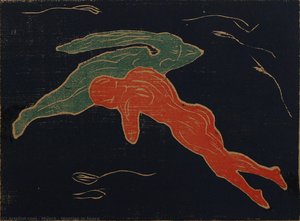
1894. Akrüül võimlusel, 90.0 x 68.0 cm. Munch Museum.

§ 1Kataloogandmed

- 90.0 x 68.0 cm


§ 2Abstraktne
Kogumisobjekti kirjeldus
Edvard Munchi ikoniline Madona maal on hämmastav tundmatu maailma väljavalooming, mis käsitleb armurit ja hirmu ning kasutab jõukat värvikirjutu stiili ja nähtavat pintslitööd. Vaadake rohkem!
 Loe lähemalt
Kunstniku elulugu
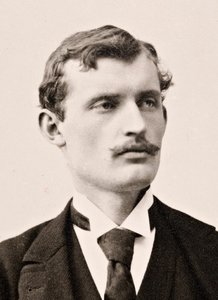
Avasta Edvard Munch (1863-1944), ekspressionismi pioneer! Tutvu "Karjega" ja kunstiga, mis käsitleb ärevust, suremist, armastust ning psühholoogilisi teemasid. Põhjamaa kunsti ikoon!
§ 3Kommentaar
Edvard Munch’s Madonna: A Haunting Vision of Maternal Angst
Edvard Munch's *Madonna*, created in 1895, stands as an arresting testament to the anxieties simmering beneath the surface of late nineteenth-century European consciousness. More than just a depiction of motherhood—though undeniably imbued with themes of vulnerability and profound sorrow—it’s a visceral exploration of existential dread, rendered through Munch's signature Expressionist style.
- Style: Early Expressionism – Rejecting Impressionistic realism, Munch prioritized subjective emotional experience above objective observation. Lines swirl with turbulent energy, forms distort to convey inner turmoil, and color palettes are deliberately jarring.
- Technique: Primarily oil paint on cardboard, Munch employed loose brushstrokes and bold application of pigment—techniques designed not to reproduce visual accuracy but to amplify emotional impact. The textured surface contributes to the immediacy of the image.
- Historical Context: Munch’s artistic vision was profoundly shaped by personal tragedy – the premature deaths of his mother and sister from tuberculosis, coupled with a family history of mental illness. These experiences fueled his preoccupation with mortality and informed his symbolic language.
The central figure—a woman rendered with skeletal features—represents not idealized femininity but raw vulnerability. Above her head, swirling lines create a halo-like form that evokes both sanctity and oppressive constraint. To the left resides a ghostly infant, skull-like and seemingly weeping – embodying themes of loss and inherited suffering.
- Symbolism: The double framing—a dark rectangle within an irregular orange shape—heightens the sense of confinement and isolation. Munch’s use of color—particularly the blood-red halo—symbolizes spiritual anguish and echoes Schopenhauer's philosophy on death.
- Emotional Impact: *Madonna* compels viewers to confront uncomfortable truths about human existence – fear, grief, longing—leaving an indelible mark on the psyche. Munch’s masterful technique captures these emotions with breathtaking intensity.
Munch's unwavering commitment to exploring psychological complexities is evident in his meticulous reworking of each motif. As he famously stated, “Your lips, as red as ripening fruit, gently part as if in pain.” This profound insight encapsulates the essence of Expressionism—a movement dedicated to conveying inner feelings rather than merely representing external reality.
The artwork’s enduring power stems from its ability to resonate with audiences across generations. Its haunting beauty and unsettling symbolism continue to inspire artists and collectors alike, cementing Munch's legacy as one of the most influential figures in modern art history.
Korduvad küsimused
Kas teoses „Madona“, autor Edvard Munch kasutatakse tugevaid kontraste või pehmeid harmooniaid?
Teose „Madona“, autor Edvard Munch väruanalüüs on tuvastatud Kõrge kontrast kontrast ja Värvide tugev ühtsus harmoonia.
Mis on teose „Madona“, autor Edvard Munch tegelik suurus?
Originaalteose „Madona“, autor Edvard Munch mõõdud on 90 x 68 cm.
Mis selgitab teose „Madona“, autor Edvard Munch autoriõiguste olukorda?
„Madona“, autor Edvard Munch on avalikus õiguses – selle autoriõigud onหมดunud. Tegijakeskuse kaitse kestus arvatakse kunstniku surmaajaest, mis toimus aastal 1944.


 Lülita trükkitoodetele


 Kunstiteoste või reproduktsioonide puhul, mille üks külg on üle 105 cm (umbikmolt 41 tolli), saadetakse raam kirjal asendis, la Dismantlitud komplektina. See meetod tagab ohutuse kohaletoimetamisel ja väldib transpordil tekkivaid kahjustusi.