Vaata sisu
 Jaga teost
 Jaga
Jaga
 Detailid
 Õppekate juhend

 Laadi alla
 Sarnased teosed
 Röntgenuuring
 Slaidietendus
 Statistika
untitled (246)


 Loe lähemalt
Giclée / Kunstiprint
Muuseumikvaliteediga giclée- või kangasprint kiire tootmisega ja paindlikud viimistlusvõimalused. ( Telli käsitsi maalitud reproduktsioon Ülemineku digitaalse pildi müügi kanalisse)




P118B €10

P118H €10

P118W €10

P438Z €10

P508JH €12

P508YH €12

P805H €10

P805Z €10

P919BZ €10

P919G €10

P919XJ €10

P959ZH €10

P968JZ €12

W106C €8

W218G €10

W218JH €8

W218Y €10

W307PJ €10

W316G €10

W316PJ €8

W316Y €10

W398PJ €8

W4111J €10

W500HY €15

W500JH €15

W692G €12

W849H €8

W940BG €15

W953PJ €8




Vali meie eelmääratud suurused, mis vastavad teose algupärastele proportsioonidele.

Sisestage vajalik laius ja kõrgus, et see sobiks teie raamile või seinale. Trükki saab ainult lõigata, seda ei saa kunagi pildist suuremaks teha, seega ka differentse vormiga suurus kaotab osa pildist. Enne trükkimist saadame teile kinnitamiseks digitaalse näidisprojektsiooni. Sellel lehel näidatud pilt ei kujuta reaalset lõiget — seda näitab ainult näidisprojekttsioon.
Ülemaailmne tarne () 2 nädala jooksul, tavalise 4/5 nädala asemel. (25 oktoober)

Tasuta ekspresssaatmine üle maailma

Kõrgekvaliteediline lina-kangastest muld

Täielik transpordikindlustus

Tollimaksude tagastamise garantii

Värvitoime täpsuse garantii

100 päeva tagastusõigus (ainult defektide korral)

100% raha tagasi garantii

Hulgusoodustus
 Klaasivalik on saadaval ainult kuni 110 cm suuruses teostes

untitled (246)
Giclée / Kunstiprint
Reproduktsiooni mõõtmed
-


Lõppsumma
€ 56
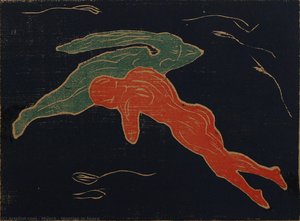
A Descent into Anguish: Unpacking Edvard Munch’s “Untitled (246)”
Edvard Munch's "Untitled (246)," a haunting black and white depiction of a woman cradling a cat, isn’t merely a portrait; it’s a visceral embodiment of the anxieties that defined the artist’s life and, by extension, much of modern experience. Painted in 1893 during a period of intense personal turmoil, this work transcends simple representation to become a profound meditation on grief, vulnerability, and the inescapable shadow of mortality. The painting's power lies not just in its subject matter but in Munch’s masterful manipulation of line, color (or rather, the absence thereof), and composition – elements that converge to create an atmosphere thick with unspoken sorrow.
Munch’s artistic journey was inextricably linked to his own personal tragedies. The early deaths of his mother and sister from tuberculosis cast a long shadow over his childhood, instilling in him a lifelong preoccupation with illness, loss, and the fragility of human existence. This deeply rooted emotional landscape is palpably present in “Untitled (246).” The woman’s face, rendered with an almost skeletal simplicity, conveys a profound sense of weariness and despair. Her eyes, vacant yet intensely focused, seem to stare into some distant, unbearable memory. The cat, nestled securely within her arms, offers a fleeting moment of tenderness – perhaps a symbolic representation of comfort or the last vestige of connection in a world increasingly defined by isolation.
Expressionist Techniques and the Power of Line
“Untitled (246)” is a quintessential example of Munch’s signature Expressionistic style. Rejecting academic realism, he prioritized conveying inner emotional states through distorted forms and exaggerated lines. Notice how the woman's body is elongated and contorted, her limbs seemingly adrift in space. The cat, too, is rendered with an unsettling fluidity, its form dissolving into a hazy suggestion of feline presence. Munch’s use of thick, swirling brushstrokes adds to the painting’s sense of unease and instability, mirroring the turbulent emotions he sought to capture.
The deliberate absence of color – the monochrome palette of black, white, and shades of gray – is crucial to the work's impact. This starkness amplifies the emotional intensity, stripping away any superficial distractions and forcing the viewer to confront the raw core of the scene. The limited tonal range creates a dramatic chiaroscuro effect, emphasizing the contours of the figures and casting them in an almost theatrical light. It’s as if Munch is illuminating not just the physical form but also the hidden depths of the woman's soul.
Symbolism and the Frieze of Life
“Untitled (246)” belongs to a series known as “The Frieze of Life,” a group of paintings that explored fundamental human experiences – love, anxiety, death, melancholy, and jealousy. Within this context, the painting can be interpreted as a representation of grief and the enduring struggle to find solace in the face of loss. The cat itself is often seen as a symbol of comfort and companionship, offering a brief respite from the overwhelming sadness. However, its presence also subtly underscores the isolation inherent in grief – a reminder that even in moments of tenderness, one remains fundamentally alone.
Furthermore, the painting’s composition echoes themes explored in Munch's broader artistic output. The woman’s posture suggests a state of passive resignation, mirroring the vulnerability and helplessness often associated with mourning. The overall effect is profoundly unsettling, prompting viewers to contemplate their own experiences with loss, loneliness, and the inevitable passage of time. It’s a work that demands introspection and rewards repeated viewing, revealing new layers of meaning with each encounter.
A Timeless Reflection on Human Emotion
“Untitled (246)” remains a powerfully resonant artwork over a century after its creation. Its enduring appeal lies in its ability to tap into universal human emotions – grief, vulnerability, and the search for connection. Reproductions of this iconic image continue to captivate audiences worldwide, serving as a poignant reminder of the complexities of the human condition. Whether displayed in a private collection or a public gallery, “Untitled (246)” offers a profound glimpse into the artistic genius of Edvard Munch and his unflinching exploration of the darkest corners of the human psyche.
Küsimused ja vastused
Millisse hegemoonias ja millises ajastus에는 „untitled (246)“, autor Edvard Munch kuulub?
Teos "untitled (246)" kuulub Expressionist Painting suunale ning selle looja tegutses 19. sajand ajastul.
Millissele kunstisuunale kuulub teos „untitled (246)“, autor Edvard Munch?
"untitled (246)" on Expressionist Painting suunaga teos. See suundumine viitab kunstilisele traditsioonile, levinud osa millest teos on.
Milline paigutus sobib teose „untitled (246)“, autor Edvard Munch formaadile?
Olles vormilt Landscape, on teose "untitled (246)" reproduktsiooni soovitatud kasutada ruumis Living Room.
Sarnased teosed


Kunstniku elulugu
Varjupilte täis elu: Edvard Munchi maailm
Edvard Munch, sündinud 1863. aastal Norra karmide maastike keskel, oli kunstnik, keda peeti modernse ajastu ärevuse ja emotsionaalse rahutuse sümboliks. Tema elu, mis oli sügavalt märgistatud kaotustest ja leviva melanhooliaga, oli tema sügava väljendusrikka kunsti algallikaks. Lapsepõlv, mida varjutasid ema ja õe varajased surmad – mõlemad tuberkuloosi ohvrid – tekitas Munchis kummitava seletuse suremusele, haigustele ja inimhinge hapra olemusele. Need kogemused ei olnud pelgud biograafilised üksikasjad; need said tema kunstilise visiooni keskuseks, toetades väsimatut uurimistööd hirmu, leina ja igatsuse sisepäikese maastikul. Tema isa ranged religioossed veendumused ja isegi tema enda vaimusüsteemid aitasid kaasa hirmutundele, mis läbistas Munchi maailma, kujundades mitte ainult tema isiklikku elu, vaid ka tema maalide sümbolilist keelt. Ta ei tegelnud pelgud stseenidega; ta väljendas sisemist seisundit, tõlgitses psühholoogilist ahastust visuaalseks vormiks.
Väljendumise algus: mõjud ja kunstiline areng
Munchi kunstiline tee algas ametliku õppega Kristiania (Oslo) Kuninglikus Kunstikoolis, kuid just boheemlaslike ringkondade ja Hans Jægeri nihilistliku filosoofia kohtumine tekitas tõeliselt tema loova tule. Jæger julgustas Munchi loobuma konventsionaalsetest akadeemilistest stiilidest ja selle asemel sukelduma omaenda subjektiivse kogemuse sügavusse, kontseptsiooni, mille ta nimetas „hingemaaliks“. See pöördepaigutus tähistas Munchi eripärase stiili algust – ühte, mida iseloomustab toor emotsioon, moonduvad vormid ja rejekt naturalistliku esituse suhtes. Pariisi reis 1890ndatel tutvustas teda kasvavale postimpressionistlikule liikumisele, kus ta omandas mõjutusi sellistelt kunstnike nagu Paul Gauguini, Vincent van Goghi ja Henri de Toulouse-Lautreci käest. Neid meistrite värvide julge kasutamine, väljendusrikkad pintslilöökide ja psühholoogiline intensiivsus kõlasid sügavalt Munchi enda kunstilise kalduvusega. Ta ei jäljendanud pelgud nende tehnikaid; ta sünteesis neid midagi ainulaadset – visuaalset keelt, mis on võimeline edastama kõige süngemaid ja segasemaid inimemotsioone. Tema viibimine Berliinis osutus ka oluliseks, tuues ta kokku näitekirjanik August Strindbergiga, kelle psühholoogiliste teemade uurimine toitis veelgi Munchi kunstilisi uuringuid.
Ikoonilised visioonid: peamised tööd ja nende sümboliline kaal
Munchi looming on täis pilte, mis on muutunud kollektiivse teadvuse sügavasse osasse. The Scream (Karje), võib-olla tema ikoonilisem teos, ületab maalina staatuse ja muutub universaalseks ärevuse sümboliks. Keerlevad, tulerohelised maastikud ja figuuri moonduvad näojooned kehastavad algelist karjet universumi ükskõiksuse vastu. Madonna, skandaalne ja südamliku teos, uurib seksuaalsust, emast ja surematut ausalt. Korduvad motiivid nagu The Sick Child (Haige laps) – inspireeritud õe Sophie kaotusest – on melankoolsed meenutamised Munchi lapsepõlve traumast ja surma alalise varjuks. Melancholy I & II (Melanhoolia I & II), sügava kurbuse ja isolatsiooni võimsad kujutused, paljastavad haavatavuse, mis on nii südamliku isiklik kui ka universaalselt seostatav. Need tööd ei ole pelgud välise reaalsuse esitusi; need on aknad kunstniku hinge juurde, pakkudes vaatajale julge pilgu inimhinge pimedaimatesse nurkadesse. Munch ei püüdnud luua ilusaid pilte; ta otsis tõde – isegi kui see tõde oli valus ja segastav.
Püsiv pärand: ajalooline tähendus ja jätkuv mõjutus
Edvard Munchi panus modernse kunsti arengusse on mõõdetamatu. Ta seisab ekspressionismi arendamise võtmefiguurina, rajades teed kunstnikele, kes andsid eesrindlaseks subjektiivsele emotsioonile objektiivse esituse suhtes. Tema vankumatu uurimine universaalsete inimkogemuste – armastuse, kaotuse, ärevuse ja surma – vastu kõlab täna publikuga, kinnistades tema koha üheks kõige mõjukamaks ja püsivamaks kunstiajaloo tegelaseks. Tema töö mõjutas sügavalt järgmisi kunstnike põlvi, mõjutades liikumisi nagu Saksa ekspressionism ja kaugemale. Ta julges silmitseda inimhinge pimedamate aspektidega, väljakutsetele konventsionaalsetele ilu- ja esituse normidele. Isegi saavutades kuulsust ja tunnustust – mille kulminatsiooniks oli Munchi muuseumi loomine Oslos – jäi tema isiklik elu turbulentseks, mida märgistavad vaimusüsteemide perioodid ja isolatsioon. Kuid selle vaatamata jätkas ta loometööd, jättes maha teoste kogu, mis jätkab provotseerimist, väljakutset ja inspireerimist. Munchi pärand ei puuduta pelgud maalidega; see on julgus silmitseda inimhinge keerukusega ja tõlkida need kogemused kunstiks, mis kõnetab meie olemuse sügavamaid osi.
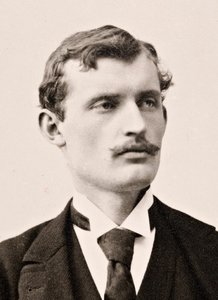
Edvard Munch
1863 - 1944 , Sweden
Lühikest infot
- Artistic Movement Or Style: Ekspressionism
- Artists Or Movements Influenced By This Artist: ['Saks Ekspressionism']
- Artists Who Influenced This Artist:
- Paul Gauguin
- Van Gogh
- Toulouse-Lautrec
- Date Of Birth: 12. detsember 1863
- Date Of Death: 23. jaanuar 1944
- Full Name: Edvard Munch
- Nationality: Norralane
- Notable Artworks:
- The Scream
- Madonna
- Haige laps
- Melanhoolia I & II
- Place Of Birth: Ådalsbruk, Rootsi
Sarnased artiklid

Dark Masterpieces: 10 Iconic Paintings Dominated by Black Tones |
Explore 10 iconic paintings dominated by black tones, from Rembrandt’s chiaroscuro to Goya's dark expressions. Discover the stories behind these masterpieces & find museum-quality art reproductions for your home at .

Ekspressionismi 10 Meisterteost: Kunst, Tunne ja Sisustus
Sukeldu ekspressionismi maailma! Avasta 10 kuulsat meistriteost – Munch, Kirchner jt. – ja nende värviküllased lood. Ideed sisustamiseks & kunstireprodutsioonid AllPaintingsStore.com-ist. Uuri täispikka kollektsiooni veebis!

Edvard Munchi 25 parimat teost: Hingemaailma ja ekspressionismi meistriteosed | AllPaintingsStore
Avastage Edvard Munchi 25 parimat teost! Sukeldume ekspressionismi hingemaailma, värviliste maalidest täis emotsioone. Leidke kvaliteetsed reproduktsioonid ja sisustage oma kodu kunstiga AllPaintingsStore.com-is. Vaadake kollektsiooni!

White on Canvas: 10 Masterpieces & Timeless Elegance for Your Home Decor
Explore 10 iconic white paintings by Monet, Whistler & Rothko! Discover the stories behind these serene masterpieces and their impact on art history. Find museum-quality reproductions for your home decor at .

Edvard Munch: Anxiety, Modernity & the Dawn of Expressionism
Explore the profound world of Edvard Munch, pioneer of Expressionism. Discover the origins of 'The Scream' & his haunting depictions of anxiety, mortality, and love. Expert analysis & high-quality reproductions at AllPaintingsStore.