Rahatagastus garantii · 100 päeva Tasuta kohaletoimetamine üle maailma
449564teosed 30613kunstnikud 4660muuseumid 32keeled
Katalogi kirje

cape cod morning

Oil On Canvas.

Joonis 1. Edward Hopper, cape cod morning. Näidatud on spetsifitseeritud reproduktsiona: , .

§ 1Kataloogandmed

§ 2Abstraktne

Kogumisobjekti kirjeldus

Edward Hopper’s ‘Cape Cod Morning’ captures a poignant stillness—a woman gazing out the window amidst sunlit solitude—defining American realism during the mid-century period. Explore this evocative masterpiece and bring its quiet beauty into your home.

Kunstniku elulugu

Edward Hopper oli Ameerika reaalismi suurmeister, kelle ikonilised maalid nagu Nighthawks ja Ühispansion jätsid sügavalt jälje kunstiloo maailmale ning pakkusid vaatajatele mõtlevaid pilke.

§ 3Kommentaar

A Window Into Solitude: The Quiet Majesty of Cape Cod Morning

In the quietude of an early summer morning, Edward Hopper captures a moment that feels both profoundly intimate and hauntingly distant. Cape Cod Morning is not merely a depiction of a landscape; it is a masterful study of the human condition, frozen in a state of contemplative stillness. As we gaze upon the woman seated at the window, her posture conveys a sense of deep introspection, as if she is caught in the delicate transition between dreams and the waking world. The composition, meticulously arranged by Hopper, uses the simple elements of a chair, two resting books, and the soft light filtering through the frame to maximize a visual impact that speaks to the very essence of modern isolation.

Hopper’s signature style shines through in his use of stark realism blended with a masterful command of light and shadow. The palette is intentionally muted, dominated by earthy tones—creams, pale yellows, and deep browns—which create an atmosphere that feels familiar yet subtly unsettling. His technique involves deliberate, controlled brushstrokes that provide texture to the sun-drenched landscape without disrupting the overall sense of calm. This interplay of light is perhaps the painting's most vital component; the diffused sunlight creates a palpable atmosphere, inviting the viewer to step into the warmth of the window while simultaneously feeling the weight of the silence that surrounds the subject.

The Echoes of an Era: History and Symbolism

Created during a period of significant social transformation in America, this work resonates with the zeitgeist of the early 20th century. As urbanization and industrialization began to reshape the American landscape, a new sense of detachment from traditional values emerged. Hopper captures this pervasive loneliness, portraying an archetype of modern femininity—independent, yet perhaps yearning for a connection that remains just out of reach. The woman’s outward gaze symbolizes ambition and aspiration, looking toward a horizon that is beautiful yet unreachable, while her crossed legs suggest a deliberate effort to maintain a private sanctuary within an increasingly impersonal world.

Every object within the frame serves as a visual anchor for deeper meaning. The books resting on the windowsill ground the scene in intellectual pursuit, yet their stillness highlights the absence of human interaction. For collectors and lovers of fine art, this painting offers more than just aesthetic beauty; it provides a profound emotional resonance. It is a piece that invites long periods of reflection, making it an ideal centerpiece for any curated collection or a sophisticated addition to an interior designed for contemplation. Whether viewed as a window into the soul or a masterpiece of American Realism, Cape Cod Morning remains an enduring icon of the beauty found within solitude.

Korduvad küsimused

Millissele stiilile kuulub "cape cod morning"?

Teos „cape cod morning“, autor Edward Hopper kuulub American Realism suunasse. See suund annab teosele stilistilise konteksti.

Millist meeleheust väljendab teos „cape cod morning“, autor Edward Hopper suunatud stiilis American Realism?

Teose "cape cod morning" Melancholic tunne on ühtne selle American Realism stiiliga.

Kas saan tellida teose "cape cod morning" õli-reproduktsiooni?

Teos "cape cod morning" on saadaval kujundisena käsitsi maalatud õlireproduktsioon linaelapale. Tellimust saab esitada selle Käsitsi maalatud reproduktsioon lehel, kus on võimalik valida erinevad suurused.
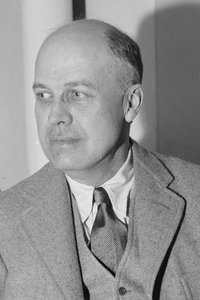
§ 4Kunstnik

Edward Hopper

Edward Hopper

1931 - 1967, USA

Kiirinfo Edward Hopper kohta

  • Artistic Movement Or Style: Realism
  • Artists Who Influenced This Artist:
    • William Merritt Chase
    • Robert Henri
  • Date Of Birth: July 22, 1882
  • Date Of Death: May 15, 1967
  • Full Name: Edward Hopper
  • Nationality: American
  • Notable Artworks:
    • Nighthawks
    • House by the Railroad
    • Gas
  • Place Of Birth: Nyack, USA

Kunstniku elulugu

Edward Hopper: A Master of American Realism

Edward Hopper, a name inextricably linked to the quietude and subtle melancholy that permeated 20th-century American life, wasn’t simply a painter of scenes; he was a poet of light and shadow, a chronicler of modern isolation. Born in Nyack, New York, in 1882, to middle-class parents of Dutch ancestry, Hopper's early years provided a stable upbringing that nurtured his artistic inclinations. From childhood sketches meticulously dated and signed, it became evident that keen observation and an innate talent for drawing were central to his being. Though initially encouraged towards commercial illustration – a pragmatic suggestion from his parents – Hopper’s ambitions leaned toward fine art, leading him to the New York School of Art where he studied under William Merritt Chase and Robert Henri. These formative years instilled not only technical skill but also an appreciation for realism and a commitment to depicting the world as he saw it—unvarnished and honest. The writings of Ralph Waldo Emerson resonated deeply with Hopper, reinforcing his sense of individualism and acute observation – qualities that would become hallmarks of his artistic vision. Early travels to Paris exposed him to Impressionism, yet Hopper quickly diverged from its fleeting brushstrokes, forging a path uniquely his own.

Early Life and Artistic Beginnings

Hopper’s formative years were marked by a quiet determination to pursue his passions despite familial expectations. He demonstrated exceptional drawing skills from a young age, capturing landscapes and portraits with remarkable accuracy—a testament to his innate talent for visual representation. Despite initial inclinations toward commercial illustration, Hopper steadfastly adhered to his conviction that true artistic expression demanded engagement with the complexities of fine art. His studies at the New York School of Art under Chase and Henri profoundly shaped his aesthetic sensibilities, fostering a commitment to realism and influencing his stylistic choices throughout his career. These mentors championed observation as paramount to artistic achievement—a principle Hopper embraced wholeheartedly, prioritizing meticulous detail and capturing the essence of reality with unwavering fidelity. William Merritt Chase encouraged Hopper to focus on tonal harmony and expressive brushwork, while Robert Henri instilled in him a rebellious spirit and a desire to challenge conventional artistic norms.

Finding His Voice: Realism and the American Scene

Hopper’s artistic journey wasn't immediate or effortless. He grappled with discovering his distinctive voice, experimenting with various styles before settling into the realism that would define his career. This wasn’t mere replication of reality; it was a distillation of its essence, stripping away extraneous detail to reveal underlying emotional truths. His paintings began to focus on everyday scenes – houses, diners, offices, hotel rooms – imbued with a sense of stillness and often, loneliness. He possessed an extraordinary ability to capture the psychological states of his subjects, hinting at narratives without explicitly stating them. The precise rendering of light and shadow became crucial, not merely as descriptive elements but as emotional cues, creating atmospheres that were both captivating and unsettling. House by the Railroad (1925), an early masterpiece, exemplifies this approach—a seemingly simple composition radiating a profound sense of isolation and mystery. Hopper’s printmaking, often overlooked, ran parallel to his painting, sharing similar themes and stylistic qualities, demonstrating his mastery across mediums. He wasn't interested in grand historical narratives or allegorical symbolism; he focused on the mundane, elevating it through careful observation and emotional resonance.

Iconic Visions: Nighthawks and Beyond

While Hopper’s career unfolded gradually, certain works catapulted him to widespread recognition. Nighthawks (1942), arguably his most famous painting, became an instant icon of American culture. The late-night diner scene, bathed in stark fluorescent light, perfectly encapsulates the alienation and anonymity of modern urban life. The figures within are lost in their own thoughts, disconnected from one another despite their proximity—a poignant commentary on the human condition. Gas (1940), with its striking portrayal of a roadside gas station, showcases Hopper’s fascination with American landscapes and the burgeoning automobile culture. Other notable works like *Automat*, *Office in a Small City*, and *Summertime* each offer unique insights into the complexities of 20th-century American society. These paintings weren't merely depictions of places; they were explorations of mood, psychology, and the subtle dramas unfolding within ordinary settings. His wife, Josephine Nivison Hopper, played a vital role not only as his lifelong companion but also as a frequent model, contributing significantly to the characterization of his female figures.

Legacy and Influence

Edward Hopper’s enduring legacy rests upon his profound contribution to American art history—a contribution characterized by unwavering realism, psychological depth, and an unparalleled sensitivity to capturing the nuances of human experience. His paintings continue to resonate with audiences today because they speak to universal themes of loneliness, isolation, and the search for meaning in a rapidly changing world. Hopper’s stylistic innovations profoundly influenced subsequent artists, establishing him as one of the most important figures in modern American art—a legacy cemented by his iconic works and their enduring presence in museums worldwide. His ability to transform commonplace scenes into evocative explorations of emotion solidified his place as a visionary artist who captured the spirit of his time—and continues to inspire contemplation and wonder generations later. Hopper’s influence extends beyond painting, permeating film and literature, demonstrating the breadth of his artistic impact on cultural expression.

§ 5Sarnased teosed

§ 6Küsimused

Teave teose kohta

  • Artist: Edward Hopper
  • Subject or theme: Solitude; Domestic life
  • Location: Private Collection
  • Artistic style: Minimalist
  • Movement: American Realism

§ 7Viige seda kirjet

AllPaintingsStore.com, “Edward Hopper, cape cod morning”, https://allpaintingsstore.com/et/art/edward-hopper-cape-cod-morning-9GEJKQ-en/ArtistReproduction/ (vaadatud 8 oktoober 2026).

§ 8Reproduktsioon

Käsitsi valmistatud õlimaalireproduktsioon

Meie kunstnike poolt tellimusel valmistatud käsitsi maalitud õli-kainaste teos teie soovitud suuruses ja raamis. ( Lülita trükkitoodetele Lülita digitaalse pildi juurde)

See on märgitud tellimuselehe servas; selle lehe praegune seisukoht on järgmine.

cape cod morning

Reproduktsiooni tehnika

Reproduktsiooni suurus

-

Eelistatud tippkunstnik

Rohkem detaile, peenust ja lisatootmisaega

-

Reproduktsiooni raamivalikud

-

-

Kunstiteoste või reproduktsioonide puhul, mille üks külg on üle 105 cm (umbikmolt 41 tolli), saadetakse raam kirjal asendis, la Dismantlitud komplektina. See meetod tagab ohutuse kohaletoimetamisel ja väldib transpordil tekkivaid kahjustusi.

Vajalik professionaalne kokkupanek – see ei ole isetegevusega valmistamiseks mõeldud toode.
Komplekt tuleb kokku panna ja lõvet pingutada kogemusega professionaalse raamija, kasutades puiduliim (ei kuulu komplekti), lõvetpingi ja klempe, et hoida raami kande mustad õigena liimi kuivamisaja jooksul. Vale kokkupanek või ebaühtlane lõvetping võib kunstiteost püsivalt kahjustada ning seda ei katta meie garantii.

  • Kaasatud on kõik tahked puidust liistud, täpselt lõigatud vastavaks suuruseks.

  • Kokku panemiseks kasutatakse lisatud kruvisid ning nurkade liimamiseks vajalikku puuliima, mida ei ole komplektis ja mida peab raamivalmistaja ise hankima.

  • Vajalik on kasutada professionaalseid tööriistu, mis ei kuulu komplekti: lõvetelapide pingist (pingutaja) ja klambreid, et hoida raami puidu nurgas õigena liimi kuivamisaja jooksul.

Oluline:
Nurgaliimamiseks on vaja puiduliim, liimimine peab toimuma klempide all kuni liim on täielikult kuivanud ning kokku monteeritud raami kanga pingutamiseks on vajalik kanga pingutustang. Kumbki neist ei kuulu komplekti. Palun veenduge enne selle suuruse tellimist, et teil on saadaval kogenud professionaalne raamistaja.

Nimesildikiri

-

-

Kaitsevärnitsus

Läikiv lakk (muudab värvid elavamaks ning kaitseb valgust ja niiskust eest)

-

Kohanda oma teost

Näiteid muudatuste kohta: Asenda nägu kliendi fotoga; Lisa lemmikloom (nt asenda kass koeraga); Lisa taustale peidetud sõnum; Muuda tausta maastikku või elemente.

-

Kiire tarne

Ülemaailmne tarne riiki 3–4 nädalaga tavalise 5 nädala asemel. (6 november). Kvaliteedis kompromisse ei tehta.

-

Kiirsaatmine

Ülemaailmne tarne () 5 nädala jooksul. (13 november).

Sisse kuuluv

Koguhind

€ 230

Säli iga tellimusega

  • Tasuta ekspresssaatmine üle maailma
  • Kõrgekvaliteediline lina-kangas
  • Täielik transpordikindlustus
  • Tollimaksude tagastamise garantii
  • Värvitoime täpsuse garantii
  • 100 päeva tagastusõigus (ainult valmistusdefektide korral)
  • 100% raha tagasi garantii
  • Hulgusoodustus
Tellimussõlm