


 Eelvaade
 Saada
Saada Jaga
Jaga
 Teave teose kohta
 Juhend

 Laadi alla
 Sarnased teosed
 Röntgenuuring
 Slaidietendus
 KÜSIMUSED JA VASTUSID
 Statistika
Queensborough-Bridge

- 152.0 x 88.0 cm


 Loe lähemalt
Hankige trükiivaldatav fail, mis on kvaliteedilt palju parem kui veebilehel näidatud eelvaade. Kõik meie müüdavad digitaalsed pildid pärinevad meie arhiivist kõrge resolutsiooniga originaalfailidest — tavaliselt 5000 kuni 15 000 pikslit laiust — nii et saate julgelt trükida suurematsat, lüüdist teha või detailset sisu reproduktsiooni teha.
Meie stuudiost ei lahtu ükski fail puutumatuna. Digiekpert võrdleb värve algsest maalistimusega ja vajadusel korrigeerib neid, seejärel parandab selgust ja detaile professionaalsete retušimisvahendite abil — püüdes alati jääda truudeks kunstniku pintoonile ja stiilile. Tulemuseks on pilt, mis näeb välja nagu maali, mitte nagu filtreeritud skann.
Teet kinnituse enne lõplikku valmimist: meie ekspert saadab pildi 72 tunni jooksul e-posti ülevaatamiseks. Ei ole rahul? Paluge parandusi või korrektsioone ning kui kvaliteet ei vasta ootustele, võite paluda tagastamist.
See on kvaliteet, millele tuguvad väljaandjad, disainistuudiod, galeriid ja trükikojad.
Digitaalne kunstiteos
Laadi alla kõrge resolutsiooniga fail isiklikuks vaatamiseks, trükkimiseks ja loomingulisteks projektideks. ( Lülita trükkitoodetele Osta käsitsi maalatud teos)
Sisse kuulub iga digitaalse pildi tellimusega
Eksperdi digitaalne kohaletoimetamine, garanteeritud
Valides AllPaintingsStore.com, ei saa sa lihtsalt pilti – saad professionaalselt parandatud digitaalse teose, mida on valmistatud täpsusega ja mis on toetatud rahuldamatusgarantiiga. Siin on kõik, mis sinu tellimusega automaatselt kaasneb:

Kiire digitaalne edastus
Teie kõrge resolutsiooniga digitaalne pildifail saadetakse teile e-posti 72 tunni jooksul pärast tellimist – kohe kasutamiseks valmis.

Tehisintellektiga täiustatud digitaalne fail
Teie teos on professionaalselt optimeeritud arenenud tehisintellekti tööriistade ja käsitsi redigeerimise abil, tagades maksimaalse detailitaseme, selguse ja värvitäpsuse.

Tasuta eluaegne uuesti saatmine
Kas kustutasid faili kogukalu unustamisel või kustutamisel? Puudub mure – saad selle uuesti igal ajal ilma lisatasuta.

Puuduvad importimaksud – alati
Nautige oma teoseid koheselt ilma tolli-, maksude või tarnimaskuludeta – digiletchargused on alati maksuvabadud.

Värvitäpsuse garantii
Me tagame, et teie digitaalne pilt kajastaks originaali värve professionaalsete tööriistade ja värvihalduse abil võimalikult täpselt.

100 päeva rahuldamatuse garantii
Kui te ei ole oma digitaalse pildi eest rahul, siis me parandame seda või tagastame 100% summast 100 päeva jooksul – küsimusteta.

100% raha tagastamise garantii
Ei ole rahul? Saate täielise tagastaja 100 päeva jooksul pärast digitaalse faili kättesaamist – ilma küsimusteta.

Suurema tellimuse soodustused
Osta 3 pilti, säästa 10% - Osta 5, säästa 15% - Osta 10+, säästa 20%. Sobib suurepäraselt loomingulisteks projektideks, galeriideks ja agentuurideks.
A Symphony of Steel and Solitude
In the vast landscape of American modernism, few images capture the quiet tension of urban existence as poignantly as Edward Hopper’s Queensborough Bridge. Painted in 1913, this monumental oil on canvas serves as more than a mere architectural study; it is a profound meditation on the intersection of industrial progress and human isolation. As the eye travels across the expansive 152 x 88 cm frame, one is immediately struck by the sheer scale of the bridge, which spans the width of the composition like a heavy, structural heartbeat connecting two distant shores. Hopper, a master of capturing the psychological weight of a scene, uses the massive arches of the bridge to create a sense of both grandeur and enclosure, inviting the viewer into a world where the bustling energy of New York City is distilled into a single, breathless moment of stillness.
The technique employed in this masterpiece reveals Hopper’s early command of New Realism. Eschewing the fleeting, light-drenched whimsy of Impressionism, Hopper opts for a more deliberate and grounded approach. He meticulously renders the structural integrity of the bridge, using a masterful blending of light and shadow to sculpt its massive forms. The water beneath the arches is not merely a surface but a mirror, where broken brushstrokes capture the subtle, ethereal dance of reflected light, creating a soft contrast against the rigid, unyielding steel above. This interplay between the solidity of the man-made structure and the fluid, ever-changing nature of the river creates a visual rhythm that keeps the viewer’s gaze moving, searching for meaning within the shadows.
The Poetics of Urban Isolation
Beyond its technical brilliance, Queensborough Bridge is a deeply symbolic work that resonates with the anxieties of the early 20th century. During this era of rapid industrialization and urban expansion, the sense of the individual being dwarfed by the growing metropolis was palpable. Hopper captures this perfectly through his strategic placement of elements: two small boats glide silently through the water, acting as anchors for the composition while simultaneously emphasizing the vastness of the environment. A solitary house, perched quietly on the right side of the canvas, introduces a touch of human presence that feels both intimate and profoundly distant. This juxtaposition—the massive, impersonal bridge against the small, vulnerable signs of life—serves as a powerful metaphor for the alienation often found within the heart of a crowded city.
For the discerning collector or interior designer, this painting offers an unparalleled emotional depth that can transform a space. It does not merely decorate a wall; it establishes an atmosphere of contemplative tranquility and sophisticated melancholy. The muted palette and the careful balance of light and dark provide a neutral yet emotionally charged focal point that complements both contemporary and classic interiors. To possess a reproduction of this work is to invite a piece of American history into one's home—a piece that celebrates the beauty found in the quiet, overlooked moments of modern life and reminds us of the enduring power of solitude amidst the machine age.
Korduvad küsimused
Milliseid ühiseid elemente jagab teos "Queensborough-Bridge" Edward Hopper muud loominguga?
"Queensborough-Bridge" kuulub Edward Hopper New Realism perioodi teosetele, mille tuntud teemad hõlmavad realism, urban life, american dream, solitude, modern vision.
Kui tuntud on Edward Hopper teos "Queensborough-Bridge"?
Teose „Queensborough-Bridge“, autor Edward Hopper registreeritud populaarsusaste on Iconic.
Mis on originaalteose "Queensborough-Bridge" mõõdud?
Originaalteose „Queensborough-Bridge“, autor Edward Hopper mõõdud on 152 x 88 cm.
Sarnased teosed


Kunstniku elulugu
Edward Hopper: A Master of American Realism
Edward Hopper, a name inextricably linked to the quietude and subtle melancholy that permeated 20th-century American life, wasn’t simply a painter of scenes; he was a poet of light and shadow, a chronicler of modern isolation. Born in Nyack, New York, in 1882, to middle-class parents of Dutch ancestry, Hopper's early years provided a stable upbringing that nurtured his artistic inclinations. From childhood sketches meticulously dated and signed, it became evident that keen observation and an innate talent for drawing were central to his being. Though initially encouraged towards commercial illustration – a pragmatic suggestion from his parents – Hopper’s ambitions leaned toward fine art, leading him to the New York School of Art where he studied under William Merritt Chase and Robert Henri. These formative years instilled not only technical skill but also an appreciation for realism and a commitment to depicting the world as he saw it—unvarnished and honest. The writings of Ralph Waldo Emerson resonated deeply with Hopper, reinforcing his sense of individualism and acute observation – qualities that would become hallmarks of his artistic vision. Early travels to Paris exposed him to Impressionism, yet Hopper quickly diverged from its fleeting brushstrokes, forging a path uniquely his own.Early Life and Artistic Beginnings
Hopper’s formative years were marked by a quiet determination to pursue his passions despite familial expectations. He demonstrated exceptional drawing skills from a young age, capturing landscapes and portraits with remarkable accuracy—a testament to his innate talent for visual representation. Despite initial inclinations toward commercial illustration, Hopper steadfastly adhered to his conviction that true artistic expression demanded engagement with the complexities of fine art. His studies at the New York School of Art under Chase and Henri profoundly shaped his aesthetic sensibilities, fostering a commitment to realism and influencing his stylistic choices throughout his career. These mentors championed observation as paramount to artistic achievement—a principle Hopper embraced wholeheartedly, prioritizing meticulous detail and capturing the essence of reality with unwavering fidelity. William Merritt Chase encouraged Hopper to focus on tonal harmony and expressive brushwork, while Robert Henri instilled in him a rebellious spirit and a desire to challenge conventional artistic norms.Finding His Voice: Realism and the American Scene
Hopper’s artistic journey wasn't immediate or effortless. He grappled with discovering his distinctive voice, experimenting with various styles before settling into the realism that would define his career. This wasn’t mere replication of reality; it was a distillation of its essence, stripping away extraneous detail to reveal underlying emotional truths. His paintings began to focus on everyday scenes – houses, diners, offices, hotel rooms – imbued with a sense of stillness and often, loneliness. He possessed an extraordinary ability to capture the psychological states of his subjects, hinting at narratives without explicitly stating them. The precise rendering of light and shadow became crucial, not merely as descriptive elements but as emotional cues, creating atmospheres that were both captivating and unsettling. House by the Railroad (1925), an early masterpiece, exemplifies this approach—a seemingly simple composition radiating a profound sense of isolation and mystery. Hopper’s printmaking, often overlooked, ran parallel to his painting, sharing similar themes and stylistic qualities, demonstrating his mastery across mediums. He wasn't interested in grand historical narratives or allegorical symbolism; he focused on the mundane, elevating it through careful observation and emotional resonance.Iconic Visions: Nighthawks and Beyond
While Hopper’s career unfolded gradually, certain works catapulted him to widespread recognition. Nighthawks (1942), arguably his most famous painting, became an instant icon of American culture. The late-night diner scene, bathed in stark fluorescent light, perfectly encapsulates the alienation and anonymity of modern urban life. The figures within are lost in their own thoughts, disconnected from one another despite their proximity—a poignant commentary on the human condition. Gas (1940), with its striking portrayal of a roadside gas station, showcases Hopper’s fascination with American landscapes and the burgeoning automobile culture. Other notable works like *Automat*, *Office in a Small City*, and *Summertime* each offer unique insights into the complexities of 20th-century American society. These paintings weren't merely depictions of places; they were explorations of mood, psychology, and the subtle dramas unfolding within ordinary settings. His wife, Josephine Nivison Hopper, played a vital role not only as his lifelong companion but also as a frequent model, contributing significantly to the characterization of his female figures.Legacy and Influence
Edward Hopper’s enduring legacy rests upon his profound contribution to American art history—a contribution characterized by unwavering realism, psychological depth, and an unparalleled sensitivity to capturing the nuances of human experience. His paintings continue to resonate with audiences today because they speak to universal themes of loneliness, isolation, and the search for meaning in a rapidly changing world. Hopper’s stylistic innovations profoundly influenced subsequent artists, establishing him as one of the most important figures in modern American art—a legacy cemented by his iconic works and their enduring presence in museums worldwide. His ability to transform commonplace scenes into evocative explorations of emotion solidified his place as a visionary artist who captured the spirit of his time—and continues to inspire contemplation and wonder generations later. Hopper’s influence extends beyond painting, permeating film and literature, demonstrating the breadth of his artistic impact on cultural expression.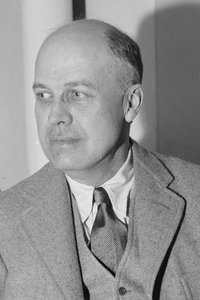
Edward Hopper
1931 - 1967 , USA
Lühikesed faktid
- Artistic Movement Or Style: Realism
- Artists Who Influenced This Artist:
- William Merritt Chase
- Robert Henri
- Date Of Birth: July 22, 1882
- Date Of Death: May 15, 1967
- Full Name: Edward Hopper
- Nationality: American
- Notable Artworks:
- Nighthawks
- House by the Railroad
- Gas
- Place Of Birth: Nyack, USA