

Acrylic On Canvas.

§ 1Catalogue data

See teos on autoriõigusega kaitstud
Sellel lehel kuvatav kunstiteos on kaitstud autoriõigusega, mis tähendab, et meil ei ole seaduslikku õigust luua või müüa identset reproduktsiooni. Seda kaitset rakendatakse rahvusvaheliste kokkulepete alusel, nagu näiteks Berne konventsioon ning riiklike seadustega, sealhulgas nendega, mida on sätestatud USA autoriõiguse seadus – 17. peatükk.
Austasena ja seaduslikuna alternatiivina pakume originaalist inspireeritud, käsitsi maalitud isikupärastatud teoseid. Meie osutavad ja professionalsed kunstnikud uurivad hoolikalt originaali stiili, meelemoi ja kunstilist olemust, et luua uus, ainulaadne teos, mis tekitab sama tunnet – olles samal ajal omaette originaalne looming.
See meetod järgib täielikult autoriõiguse reegleid, kuna see ei põhine kaitstud kunstiteose kopeerimisel või dupliteerimisel. Selle asemel on tegu loova reinterpreetatsiooniga – uue maaldisega, mis on algteosest inspireeritud, kuid ei ole sellest identiline.
 Loe lähemalt
§ 2Abstract
Kogumisobjekti kirjeldus
Explore Edward Hopper's iconic masterpiece 'untitled (202)', capturing urban solitude and quiet contemplation with muted blues, grays, and pinks—a poignant reflection of American realism.
Kunstniku elulugu
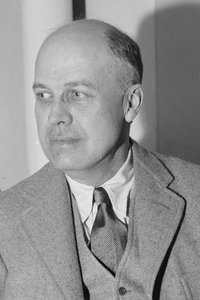
Edward Hopper oli Ameerika reaalismi suurmeister, kelle ikonilised maalid nagu Nighthawks ja Ühispansion jätsid sügavalt jälje kunstiloo maailmale ning pakkusid vaatajatele mõtlevaid pilke.
§ 3Commentary
A Solitude Observed: The Life and Art of Edward Hopper
Edward Hopper, a name inextricably linked to the quietude and subtle melancholy that permeated 20th-century American life, wasn’t simply a painter of scenes; he was a poet of light and shadow, a chronicler of modern isolation. Born in Nyack, New York, in 1882, to middle-class parents of Dutch ancestry, Hopper's early years provided a stable upbringing that nurtured his artistic inclinations. From childhood sketches meticulously dated and signed, it became evident that keen observation and an innate talent for drawing were central to his being.
Though initially encouraged towards commercial illustration – a pragmatic suggestion from his parents – Hopper’s ambitions leaned toward fine art, leading him to the New York School of Art where he studied under William Merritt Chase and Robert Henri. These formative years instilled not only technical skill but also an appreciation for realism and a commitment to depicting the world as he saw it. He sought to capture the essence of everyday life—the loneliness, the unspoken anxieties—with unflinching honesty.
- Early Influences: Hopper’s artistic development was profoundly shaped by Impressionism and Post-Impressionism, particularly Cézanne and Gauguin. These artists championed observation and expressive brushwork, principles that would become hallmarks of Hopper's distinctive style.
- The New York School: His studies at the New York School fostered a collaborative spirit and encouraged experimentation with innovative techniques. He honed his skills alongside fellow artists who shared his fascination for capturing psychological states through visual representation.
Hopper’s oeuvre is characterized by its meticulous realism, achieved through smooth brushstrokes and careful attention to detail. He employed oil paints on canvas—a practice consistent with the artistic conventions of his time—to render scenes bathed in diffused light that heighten emotional resonance. The artist's technique prioritized clarity and precision, creating a sense of detachment rather than overt sentimentality.
- Compositional Strategies: Hopper’s paintings often utilize geometric forms – rectangles, squares, circles – to construct environments that convey stillness and confinement. This deliberate structuring contributes to the pervasive feeling of solitude within his works.
- Light and Shadow: Light plays a crucial role in Hopper's artistic vision, serving as both illumination and metaphor. Dramatic lighting casts strong shadows across interiors, emphasizing contrasts between warmth and coolness and amplifying the psychological impact of each scene.
Perhaps no painting embodies Hopper’s signature aesthetic more powerfully than “untitled (202).” This artwork depicts a solitary figure seated on a bed within a sparsely furnished room—a motif recurrent throughout his career. The composition is dominated by strong geometric shapes – the rectangular window, the bed, and the walls – creating a feeling of confinement that speaks to the anxieties inherent in modern urban existence.
The muted color palette—primarily cool blues, grays, and pale pinks—underscores the melancholic mood. A warm pink hue highlights the figure’s garment, providing subtle visual contrast against the cooler tones of the room. Hopper's masterful use of perspective subtly suggests depth while maintaining a flattened surface, reinforcing the sense of detachment characteristic of his style.
“untitled (202)” resonates deeply with viewers because it captures a universal experience: the quiet contemplation of solitude amidst the bustle of daily life. It’s a poignant reminder of human vulnerability and longing—themes that Hopper explored consistently throughout his prolific artistic output, cementing his place as one of America's most enduring visual artists.
Korduvad küsimused
Kuhu kohta ja milleks on "untitled (202)" soovitatav?
Teost "untitled (202)" on soovitatav kasutada Accent jaoks ning selleks soovitellav ruum on Living Room.
Mis on Edward Hopper pseudonüümid või alternatiivsed nimed?
Edward Hopper tuntub ära ka nime all Eddie Hopper.
Kas ma saan teost „untitled (202)“, autor Edward Hopper enne tellimist eelvaatata?
Teose „untitled (202)“, autor Edward Hopper eelvaade on saadaval teose Eelvaade lehel.


 Lülita trükkitoodetele


 Kunstiteoste või reproduktsioonide puhul, mille üks külg on üle 105 cm (umbikmolt 41 tolli), saadetakse raam kirjal asendis, la Dismantlitud komplektina. See meetod tagab ohutuse kohaletoimetamisel ja väldib transpordil tekkivaid kahjustusi.


