

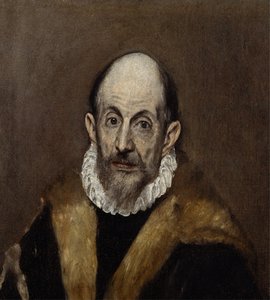
1603. Acrylic On Canvas. National Gallery of Art.

§ 1Kataloogandmed


§ 2Abstraktne
Kogumisobjekti kirjeldus
 Loe lähemalt
Kunstniku elulugu
El Greco: Hispaania renessansikunstnik, tuntud dramaatiliste religioonimaalide ja pikendatud kujutistega! Avasta tema ainulaadne stiil, mis eelnenud nii ekspressionismile kui kubismile.
§ 3Kommentaar
Saint Ildefonso: A Beacon of Faith Illuminated by Baroque Drama
Doménikos Theotokópoulos, universally known as El Greco – “the Greek” – stands apart from his contemporaries not merely as a painter but as an artist who wrestled with the very essence of spirituality and translated it into visual form. Born in Crete in 1541, amidst the waning influence of Byzantium and burgeoning Venetian patronage, El Greco embarked on a journey that would reshape European art history.
“St Ildefonso,” completed in 1608, exemplifies this singular artistic vision. This monumental oil painting depicts Saint Ildefonso, Archbishop of Toledo and revered patron saint, seated at a desk laden with papers—a scene imbued with palpable solemnity and intellectual contemplation. The figure’s posture exudes quiet dignity, mirroring the profound faith that underpinned his life’s work.
A Synthesis of Byzantine Tradition and Venetian Innovation
El Greco's formative years in Crete exposed him to the austere beauty of Byzantine iconography—a meticulous attention to detail and a reverence for sacred subjects characteristic of the era. However, he refused to remain tethered to these traditions. His relocation to Venice fostered an encounter with Mannerism’s stylistic refinements, particularly evident in Jacopo Bassano's influence. This fusion resulted in a distinctive style that anticipated the expressive fervor of Expressionism and foreshadowed the fragmented forms of Cubism centuries later.
Technique and Composition: Mastering Chiaroscuro
The painting’s dramatic impact stems largely from El Greco’s masterful manipulation of chiaroscuro—the interplay between light and shadow—a technique perfected during his Venetian period. Deep, velvety blacks dominate the background, creating an atmosphere of profound darkness that contrasts sharply with the luminous flesh tones of Saint Ildefonso and the subtle illumination emanating from his desk lamp. This skillful use of tonal gradation enhances the sense of depth and contributes to the painting’s emotional resonance.
Symbolism: Virgin Mary's Presence and Intellectual Pursuit
Beyond its technical brilliance, “St Ildefonso” resonates with layers of symbolic meaning. The inclusion of a manuscript—likely referencing Saint Ildefonso’s defense of Marian purity—underscores the saint’s unwavering commitment to theological orthodoxy. Furthermore, the posture of Saint Ildefonso at his desk symbolizes intellectual contemplation and spiritual discernment – qualities highly valued during El Greco's time.
Emotional Impact: A Portrait of Inner Reflection
"St Ildefonso" transcends mere representation; it captures a moment of profound inner reflection—a testament to El Greco’s ability to convey complex emotions through visual language. The painting invites viewers into the saint’s contemplative space, prompting contemplation on faith, intellect, and the enduring power of spiritual conviction. It remains an unforgettable emblem of Baroque artistry.
Korduvad küsimused
Kuidas seda teost „Saint Ildefonso“, autor El Greco saab kasutada kodukujunduses?
Teose „Saint Ildefonso“, autor El Greco kohta on esitatud kaks soovitust: kasutus (Accent) ja ruum (Living Room).
Kust kohalt El Greco korduvad teemad teoses "Saint Ildefonso" ilmumisel?
El Greco dokumenteeritud teemade — byzantine tradition, catholic faith, moral reflection, religious symbolism, artist’s legacy — seas paneb teos "Saint Ildefonso" erilist tähelepanu teemadel religious iconography, saint figure, baroque painting, virtue, allegory, manuscript, chiaroscuro.
Millises materjalis on teos „Saint Ildefonso“, autor El Greco valmistatud?
Teose "Saint Ildefonso" loomisel kasutas El Greco Acrylic On Canvas tehnikat. See tehnika määrab originaalteose materjalilise olemuse.


 Lülita trükkitoodetele


 Kunstiteoste või reproduktsioonide puhul, mille üks külg on üle 105 cm (umbikmolt 41 tolli), saadetakse raam kirjal asendis, la Dismantlitud komplektina. See meetod tagab ohutuse kohaletoimetamisel ja väldib transpordil tekkivaid kahjustusi.


