Rahatagastus garantii · 100 päeva Tasuta kohaletoimetamine üle maailma
449587teosed 30613kunstnikud 4660muuseumid 32keeled
Valuta
    Keel
      Ateljee · Asutatud 2015 · Pariis, Prantsusmaa
      AllPaintingsStore
      allpaintingsstore.com
      Catalogue entry

      Alpine kitchen

      Oil On Canvas.

      Fig. 1. Ernst Ludwig Kirchner, Alpine kitchen. Shown as the reproduction you are specifying: , .

      § 1Catalogue data

      § 2Abstract

      Kogumisobjekti kirjeldus

      Ernst Ludwig Kirchner’s expressive Alpine kitchen captures the anxieties of German Expressionism with bold reds and yellows illuminating a tranquil interior scene featuring flowers, books, and a watchful black cat – discover this captivating artwork.

      Kunstniku elulugu

      Ernst Ludwig Kirchner oli Saksa ekspressionist ja Die Brücke liikme üks juhtiv mõtleja. Tema töö keskendus linnapiiskele ja inimese kujunditele ning oli täielikult vastuolus akadeemilise kunstiga. Kirchneri stiil oli tuntud oma värvide kasutuse ja väljendusrikaste pintslitööde poolest, mis olid olulised ekspressionistlikule kunstile maailmas.

      § 3Commentary

      A Window Into Alpine Anxiety

      • Ernst Ludwig Kirchner’s “Alpine Kitchen” isn't merely a depiction of domesticity; it’s a profound exploration of psychological landscape—a snapshot frozen in time, capturing the anxieties simmering beneath the surface of rural German life during the early 20th century.
      • Painted circa 1913-1914, this oil on canvas exemplifies the Expressionist movement's preoccupation with subjective experience and emotional intensity. Kirchner’s stylistic choices deliberately reject naturalistic representation in favor of conveying inner turmoil through bold color palettes and distorted forms.

      Chromatic Intensity: The Language of Feeling

      Kirchner’s masterful use of color is central to understanding the artwork's emotional core. Dominating the composition are walls painted a fiery red—a hue often associated with passion, anger, and danger—and cabinets rendered in vibrant yellow—representing optimism and warmth, yet simultaneously hinting at unease. These contrasting colors aren’t blended harmoniously; instead, they clash dramatically, mirroring the psychological tensions inherent in the scene.

      Technique and Texture: Capturing Imperfection

      The artist employs a thick impasto technique—applying paint thickly onto the canvas—creating palpable textural surfaces that heighten the visual impact. Brushstrokes are visible and deliberate, conveying a sense of immediacy and spontaneity. Kirchner meticulously renders details like the vase filled with flowers and the open book, emphasizing precision while simultaneously injecting an element of imperfection. This textured surface contributes to the painting’s overall feeling of unease—a subtle reminder that beauty can coexist alongside darkness.

      Symbolism Within Still Life: Reflections of Modern Disquiet

      Beyond its formal qualities, “Alpine Kitchen” is laden with symbolic significance. The cat perched on the windowsill represents solitude and contemplation, perhaps reflecting Kirchner’s own emotional isolation during a period marked by personal struggles. The objects within the kitchen—the vase, bowl, book—are commonplace items transformed into emblems of human existence. Their arrangement isn't random; it suggests a carefully constructed tableau designed to provoke introspection.

      Emotional Resonance: A Portrait of Inner Turmoil

      Ultimately, “Alpine Kitchen” succeeds in conveying a powerful emotional resonance. It’s not a comforting scene—rather, it confronts viewers with the anxieties and uncertainties of the era. Kirchner's expressive brushwork and jarring color combinations capture the psychological state of his time—a world grappling with rapid industrialization, social upheaval, and existential dread. The painting remains an enduring testament to Expressionism’s ability to distill complex emotions into a deceptively simple visual form.

      Korduvad küsimused

      Milline on teose "Alpine kitchen" atmosfäär?

      Teose „Alpine kitchen“, autor Ernst Ludwig Kirchner üldine meeleolu on Bold. See meeleolu kirjeldab teose üldist atmosfääri.

      Millisse kunstisuuna kuulub teos „Alpine kitchen“, autor Ernst Ludwig Kirchner?

      "Alpine kitchen" on German Expressionism suunaga teos. See suundumine viitab kunstilisele traditsioonile, millega teos on seotud.

      Mis on teose „Alpine kitchen“, autor Ernst Ludwig Kirchner luminants?

      Teose „Alpine kitchen“, autor Ernst Ludwig Kirchner luminants on Soft Shadow. Luminants kirjeldab, kui palju valgust värvid peegeldavad.
      § 4The artist

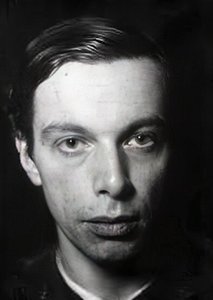
      Ernst Ludwig Kirchner

      Ernst Ludwig Kirchner

      1880 - 1938, Saksa

      Quick facts about Ernst Ludwig Kirchner

      • Artistic Movement Or Style: Ekspressionism
      • Artists Who Influenced This Artist:
        • Albrecht Dürer
        • Vincent van Gogh
        • Edvard Munch
      • Date Of Birth: 6 mai 1880
      • Date Of Death: 15 juuni 1938
      • Full Name: Ernst Ludwig Kirchner
      • Nationality: Saksa
      • Notable Artworks:
        • The Street (1908)
        • Leaping Dancer (1912)
        • Self-Portrait (1910)
      • Place Of Birth: Aschaffenburg, Saksamaa

      Kunstniku elulugu

      Ernst Ludwig Kirchner (1880-1938): A Life Forged in Expression

      Ernst Ludwig Kirchner, a name synonymous with the raw emotional power of German Expressionism, was born into a world poised on the brink of dramatic change. His arrival in Aschaffenburg, Bavaria, in 1880, marked the beginning of a life deeply intertwined with artistic innovation and personal turmoil. The shifting landscapes of his childhood – dictated by his father’s profession – instilled within him a sense of displacement that would later become a recurring theme in his art. From Frankfurt to Perlen, and finally settling in Chemnitz, young Kirchner absorbed the burgeoning anxieties of a rapidly modernizing Germany. Though initially steered towards architecture at the Königliche Technische Hochschule in Dresden, it was the profound conviction that painting could convey inner experience—a rejection of academic conventions—that ultimately defined his artistic path. He found kinship with fellow rebels – Fritz Bleyl, Karl Schmidt-Rottluff, and Erich Heckel – forging bonds that would irrevocably alter the course of 20th-century art.

      Early Life and Artistic Beginnings

      Kirchner’s formative years were shaped by a family preoccupied with intellectual pursuits. His father, a chemical technician specializing in paper production, instilled in him a meticulous attention to detail—a characteristic that would later translate into his exacting artistic technique. Maria Kirchner, his mother, descended from Huguenot ancestry, fostering within him an appreciation for cultural heritage and a sensitivity to the nuances of human emotion. From Aschaffenburg he moved to Frankfurt/Main and Perlen nr. Lucerne where he attended secondary school alongside Karl Schmidt-Rottluff and Erich Heckel—artists who would become lifelong companions and collaborators. These formative relationships profoundly influenced his artistic worldview, shaping his belief in the importance of shared experience and mutual inspiration. Recognizing his innate talent for drawing and painting, Kirchner pursued architectural studies at Dresden’s Königliche Technische Hochschule, but simultaneously enrolled in courses focused on figurative art, honing his skills in life drawing and composition—skills that would prove invaluable to his subsequent artistic endeavors.

      Die Brücke: A Revolutionary Collective

      The genesis of Kirchner's artistic breakthrough occurred in 1905 when he joined *Die Brücke* (“The Bridge”), a groundbreaking collective dedicated to forging a new aesthetic language rooted in emotional intensity and psychological exploration. Alongside Bleyl, Schmidt-Rottluff, and Heckel, Kirchner established a studio in Dresden where they experimented with innovative techniques—primarily woodblock printing—drawing inspiration from sources far removed from the prevailing artistic trends of the time. The group’s manifesto articulated a radical rejection of academic idealism, advocating instead for an uncompromising confrontation with reality—a stance that mirrored their broader philosophical convictions. They drew heavily upon influences from primitive art – particularly African and Oceanic sculpture – recognizing its expressive power and its ability to bypass rational thought. Furthermore, they embraced the bold chromatic palette pioneered by Vincent van Gogh, utilizing vibrant hues to convey emotional states rather than merely representing visual appearances. This stylistic fusion—characterized by distortion, simplified forms, and emotionally charged brushwork—became synonymous with Die Brücke’s distinctive artistic vision.

      Berlin and Artistic Maturity

      In 1911 Kirchner relocated to Berlin, establishing a studio in Wilmersdorf alongside fellow artist Max Pechstein—a partnership that would endure until Pechstein's departure from the group in 1913. Berlin became Kirchner’s epicenter of artistic activity, fostering connections with writers, intellectuals, and artists who shared his commitment to challenging conventional norms. He meticulously documented the urban landscape—particularly the gritty streets and tenements of Berlin—capturing not only their physical appearance but also the psychological atmosphere they engendered. His paintings conveyed a palpable sense of alienation and unease—reflecting the anxieties prevalent in German society during the period leading up to World War I. Kirchner’s artistic style evolved throughout his career, embracing increasingly expressive techniques while retaining a steadfast dedication to conveying inner experience. He continued to explore themes of solitude, vulnerability, and psychological torment—subjects that would resonate powerfully with audiences across generations.

      Legacy and Recognition

      Kirchner's contribution to German Expressionism is undeniable. His uncompromising artistic vision—characterized by bold color palettes, distorted forms, and emotionally resonant imagery—established him as one of the movement’s foremost figures. Despite facing persecution during the Nazi era—when over 600 of his artworks were confiscated and deemed “degenerate”—Kirchner's legacy persists as a testament to the enduring power of art to confront societal injustices and champion artistic freedom. His paintings continue to inspire artists today, serving as a poignant reminder of the importance of emotional honesty and stylistic innovation. Ernst Ludwig Kirchner’s oeuvre remains an invaluable resource for understanding the complexities of early 20th-century art—a beacon illuminating the path toward authentic expression and unwavering conviction in one's artistic beliefs.

      § 5Comparanda

      § 6Questions

      Teave teose kohta

      • Artist: Ernst Ludwig Kirchner
      • Artistic style: Expressionist
      • Movement: Expressionism
      • Medium: Oil paint

      Kunstiteaduse kvartett

      Iga küsimuse kohta on ainult üks õige vastus.

      Küsimus 1:
      What artistic movement is Ernst Ludwig Kirchner's “Alpine Kitchen” primarily associated with?
      Küsimus 2:
      The painting utilizes bold colors, particularly red and yellow. What is the primary purpose of these color choices?
      Küsimus 3:
      What symbolic element is represented by the black cat perched on the windowsill?
      Küsimus 4:
      Kirchner’s technique contributes to the painting’s impression of movement. Which aspect of his approach achieves this effect?
      Küsimus 5:
      Considering Kirchner’s broader artistic concerns, what overarching theme does “Alpine Kitchen” explore?

      § 7Cite this entry

      AllPaintingsStore.com, “Ernst Ludwig Kirchner, Alpine kitchen”, https://allpaintingsstore.com/et/art/ernst-ludwig-kirchner-alpine-kitchen-8LHTJW-en/ (accessed 1 oktoober 2026).

      § 8The reproduction

      Käsitsi valmistatud õlimaalireproduktsioon

      Meie kunstnike poolt tellimusel valmistatud käsitsi maalitud õli-kainaste teos teie soovitud suuruses ja raamis. ( Lülita trükkitoodetele Lülita digitaalse pildi juurde)

      It is specified on the order sheet in the margin; the present state of that sheet reads as follows.

      Alpine kitchen

      Reproduktsiooni tehnika

      Reproduktsiooni suurus

      -

      Eelistatud tippkunstnik

      Rohkem detaile, peenust ja lisatootmisaega

      -

      Reproduktsiooni raamivalikud

      -

      -

      Kunstiteoste või reproduktsioonide puhul, mille üks külg on üle 105 cm (umbikmolt 41 tolli), saadetakse raam kirjal asendis, la Dismantlitud komplektina. See meetod tagab ohutuse kohaletoimetamisel ja väldib transpordil tekkivaid kahjustusi.

      Vajalik professionaalne kokkupanek – see ei ole isetegevusega valmistamiseks mõeldud toode.
      Komplekt tuleb kokku panna ja lõvet pingutada kogemusega professionaalse raamija, kasutades puiduliim (ei kuulu komplekti), lõvetpingi ja klempe, et hoida raami kande mustad õigena liimi kuivamisaja jooksul. Vale kokkupanek või ebaühtlane lõvetping võib kunstiteost püsivalt kahjustada ning seda ei katta meie garantii.

      • Kaasatud on kõik tahked puidust liistud, täpselt lõigatud vastavaks suuruseks.

      • Kokku panemiseks kasutatakse lisatud kruvisid ning nurkade liimamiseks vajalikku puuliima, mida ei ole komplektis ja mida peab raamivalmistaja ise hankima.

      • Vajalik on kasutada professionaalseid tööriistu, mis ei kuulu komplekti: lõvetelapide pingist (pingutaja) ja klambreid, et hoida raami puidu nurgas õigena liimi kuivamisaja jooksul.

      Oluline:
      Nurgaliimamiseks on vaja puiduliim, liimimine peab toimuma klempide all kuni liim on täielikult kuivanud ning kokku monteeritud raami kanga pingutamiseks on vajalik kanga pingutustang. Kumbki neist ei kuulu komplekti. Palun veenduge enne selle suuruse tellimist, et teil on saadaval kogenud professionaalne raamistaja.

      Nimesildikiri

      -

      -

      Kaitsevärnitsus

      Läikiv lakk (muudab värvid elavamaks ning kaitseb valgust ja niiskust eest)

      -

      Kohanda oma teost

      Näiteid muudatuste kohta: Asenda nägu kliendi fotoga; Lisa lemmikloom (nt asenda kass koeraga); Lisa taustale peidetud sõnum; Muuda tausta maastikku või elemente.

      -

      Kiire tarne

      Ülemaailmne tarne riiki 3–4 nädalaga tavalise 5 nädala asemel. (30 oktoober). Kvaliteedis kompromisse ei tehta.

      -

      Kiirsaatmine

      Ülemaailmne tarne () 5 nädala jooksul. (6 november).

      Sisse kuuluv

      Koguhind

      € 227

      Included with every order

      • Tasuta ekspresssaatmine üle maailma
      • Kõrgekvaliteediline lina-kangas
      • Täielik transpordikindlustus
      • Tollimaksude tagastamise garantii
      • Värvitoime täpsuse garantii
      • 100 päeva tagastusõigus (ainult valmistusdefektide korral)
      • 100% raha tagasi garantii
      • Hulgusoodustus
      Order sheet