

- Avaleht

- Õlimaalireproduktsioon
- felix lafortune
- Papa Ogoun Ferraille

 Telli trükis Osta digipilt
 Saada
Saada
 Jaga
Jaga
 Teave teose kohta
 Lisa lemmikutesse

 Laadi alla
 Sarnased teosed
 Röntgenuuring
 Slaidietendus
Papa Ogoun Ferraille


 Loe lähemalt
Käsitsi valmistatud õlimaalireproduktsioon
Meie kunstnike poolt tellimusel valmistatud käsitsi maalitud õli-kainaste teos teie soovitud suuruses ja raamis.




































Vali meie eelmääratud suurused, mis vastavad teose algupärastele proportsioonidele.

Sa võite sisestada oma mõõtmed konkreetse raami või ruumi sobivuse tagamiseks. Kui teie valitud suurus ei vasta originaalpildi proportsioonidele, siis kärvime kunstiteost või laiendame maali täiendavate käsitsi maalitud elementidega. Enne tootmise algust saadetakse teile heakskiitmiseks digitaalne eelvaade.
Palun pidage meeles, et ekraanil kuvatav eelvaade ei kajasta tegelikku kärpimist või laiendamist. Ainult eelvaade näitab täpselt lõplikku kompositsiooni.
Kuigi on saadaval kohandatud suurused, soovitame originaalproportsioonide säilimiseks valida mõõdud eelmääratletud nimekirjast.
Pärast tellimust saadab AllPaintingsStore.com meeskond kliendile e-posti juhised ning esitab eelvaate kavandi.
Maailmline tarne 3–4 nädala jooksul tavalise 5 nädala asemel. (16 juuli). Kvaliteedis kompromisse ei tehta.

Tasuta ekspresssaatmine üle maailma

Kõrgekvaliteediline linakangas

Täielik transpordikindlustus

Tollimaksude tagastamise garantii

Värvitoime täpsuse garantii

60-päevane tagastusõig: ainult tootmisdefektide korral

100% raha tagasi garantii

Hulgusoodustus
 Klaasivalik on saadaval ainult suuruses kuni 110 cm

Papa Ogoun Ferraille
Reproduktsiooni tehnika
Reproduktsiooni suurus
-


Kogusumma
-
Teose kirjeldus
The Spiritual Resonance of Papa Ogoun Ferraille
To stand before Papa Ogoun Ferraille is to be enveloped in a vibrant tapestry of Haitian culture and profound spiritual connection. This painting, executed by Felix Lafortune, transcends mere portraiture; it feels like a captured moment of ritualistic grace. The composition immediately draws the eye to the central figure—the man positioned atop the sturdy trunk of a tree. He is not merely standing; he seems elevated, almost consecrated by his perch, holding a baby as if presenting a sacred trust to the surrounding world. The energy emanating from this core group of five figures suggests a narrative steeped in tradition and deep communal belief.
A Study in Community and Devotion
The arrangement of the women encircling the central man is masterful in its depiction of devotion. Their gazes, directed upward toward him, are not simply observational; they carry the weight of reverence. Lafortune has captured that palpable atmosphere—a sense of shared belief or spiritual guidance flowing from one person to the group. The inclusion of a book near the bottom right corner subtly anchors this spirituality within a context of learning or scripture, suggesting that the wisdom passed down is both ancestral and textual. It invites the viewer to ponder the source of their collective strength.
Technique and Vibrancy in Lafortune's Hand
While the specific materials used lend the piece its rich character, the overall effect speaks to a vibrant, almost folkloric application of color. The palette is inherently warm and saturated, mirroring the intense emotional landscape of Haitian life. One can appreciate the artist’s ability to render both the solidity of the natural elements—the tree trunk—and the delicate humanity of the figures with equal skill. The technique seems to blend narrative realism with an almost ceremonial flatness, giving the scene a timeless quality that resists being pinned down by a single era.
Symbolism and Emotional Echoes
The symbolism within Papa Ogoun Ferraille is rich and multifaceted. The tree itself often symbolizes life, connection, and endurance in many cultures, making the man’s elevated position one of spiritual authority or guardianship. The act of holding the baby speaks to continuity—the passing of culture, knowledge, and life from one generation to the next. For the contemporary collector or designer, this piece offers more than just decoration; it offers a focal point for contemplation on lineage, community bonds, and enduring faith. It is an artwork that whispers stories of resilience.
Bringing Haitian Spirit Home
Reproducing such a powerful work allows one to bring a piece of vibrant cultural narrative into a modern space. Whether placed in a gallery setting or integrated into a richly decorated living area, Papa Ogoun Ferraille commands attention with its warmth and depth. It serves as an immediate conversation starter, inviting questions about Haitian art, spirituality, and the enduring power of human connection. Owning this reproduction is acquiring not just paint on canvas, but a piece of embodied cultural storytelling.
Sarnased teosed


Kunstniku elulugu
Dorothy Iannone: A Transgressive Visionary
Born in Boston, Massachusetts in 1933, Dorothy Iannone’s artistic journey was one of persistent rebellion and unapologetic self-expression. Raised within a deeply Catholic Italian-American household—a backdrop that would profoundly shape her work—Iannone initially pursued academic studies at Boston University and Brandeis University, seeking a conventional path before ultimately forging her own distinct voice in the burgeoning art scene of New York City. Her early artistic explorations were marked by an embrace of abstract painting, incorporating texts from influential writers like Wallace Stevens, William Butler Yeats, and Gerard Manley Hopkins into her compositions—a deliberate act of layering meaning and challenging established artistic boundaries.
The pivotal moment in Iannone’s career arrived in the early 1960s with the establishment of the Stryke Gallery alongside her husband, James Upham. This venture wasn't merely a commercial endeavor; it became a vital platform for showcasing her increasingly provocative and explicitly autobiographical works. These pieces—often depicting figures engaged in ecstatic experiences—were immediately met with controversy, facing censorship attempts from authorities who deemed them obscene. Yet, Iannone’s resilience and unwavering commitment to her vision led to critical acclaim and inclusion in prestigious exhibitions like the 2006 Whitney Biennial, where “I Was Thinking Of You” (1975/2005), affectionately known as "the orgasm box," garnered significant attention. This recognition marked a turning point, elevating Iannone from relative obscurity to a respected figure within contemporary art.
The ‘People’ and the Fight for Artistic Freedom
Perhaps the most enduring and recognizable aspect of Iannone's oeuvre is her series of small, flat wood sculptures known as “People.” These figures—depicting beloved actors, writers, mythic heroes, and historical personalities—are rendered with deliberately ambiguous genitalia, a bold assertion of female sexuality and a direct challenge to societal norms. The "People" were frequently targeted by censorship attempts, confiscated and even destroyed by authorities who viewed them as indecent. However, Iannone’s legal battles against these restrictions ultimately proved successful, not only securing the return of Miller's *Tropic of Cancer* but also establishing a crucial precedent for artistic freedom.
Her travels with Fluxus poet Emmett Williams and artist Dieter Roth in Iceland further fueled her creative exploration. These experiences exposed Iannone to diverse cultural perspectives and experimental approaches, enriching her artistic vocabulary and solidifying her commitment to pushing the boundaries of art. The Icelandic journey, documented in “An Icelandic Saga,” exemplifies this spirit of adventure and a willingness to embrace unconventional collaborations.
Influences and Artistic Techniques
Iannone’s work is deeply rooted in a confluence of influences—from her Catholic upbringing and Italian-American heritage to the avant-garde movements of the mid-20th century. The Surrealists, with their emphasis on dream imagery and psychological exploration, exerted a significant impact, as did the Fluxus movement's playful approach to art and its rejection of traditional artistic conventions. Her early abstract paintings—characterized by bold colors and layered text—served as a foundation for her later explorations of figurative work, particularly the “People” series.
Technically, Iannone’s practice is characterized by a unique blend of media. She seamlessly integrated painting, drawing, sculpture, sound installations, and video into her artistic process. The use of wood as a primary material in the "People" sculptures reflects a deep appreciation for craftsmanship and a desire to create tactile objects that invite close examination. Her incorporation of text—often drawn from literary sources—adds layers of meaning and complexity to her visual narratives.
Legacy and Critical Significance
Dorothy Iannone’s legacy extends far beyond the controversies surrounding her work. She remains a vital figure in contemporary art, celebrated for her uncompromising vision, her fearless exploration of sexuality, and her unwavering commitment to artistic freedom. Her “People” sculptures continue to provoke dialogue about gender, identity, and the role of art in challenging social norms. Her inclusion in major exhibitions like the Whitney Biennial solidified her place within the canon of contemporary art, ensuring that her work will be studied and appreciated for generations to come.
Iannone’s life and career serve as a testament to the power of artistic expression—a reminder that true innovation often arises from challenging established conventions and refusing to compromise one's vision. She died in 2016, leaving behind a body of work that continues to resonate with audiences around the world.

felix lafortune
1933 - 2016 , Haiti
Lühikesed faktid
- Artistic Movement Or Style: Ecstatic unity
- Artists Or Movements Influenced By This Artist:
- Fluxus
- Surrealism
- Artists Who Influenced This Artist:
- Wallace Stevens
- William Butler Yeats
- Date Of Birth: 1933
- Full Name: Dorothy Iannone
- Nationality: American
- Notable Artworks:
- I Was Thinking Of You
- Lioness
- Place Of Birth: Boston, MA, USA
Seotud artiklid
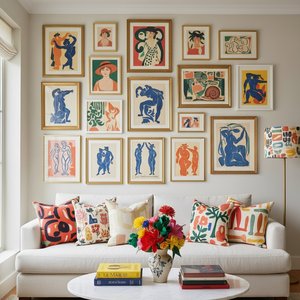
Henri Matisse: 25 meistriteost värviküllase kunsti maailmast | AllPaintingsStore
Avastage Henri Matisse 25 ikoonilist teost! Sukelduge värviküllase Fauvismi maailma, modernse kunsti ajaloosse ja inspireerige oma interjööri. Kvaliteetsed kunstireprodutsioonid AllPaintingsStore.com-is. Avasta kogu kollektsioon online!

Kandinsky's Masterpieces: 25 Paintings That Define Abstract Art | AllPaintingsStore
Journey through Wassily Kandinsky's 25 most iconic abstract paintings. Explore his revolutionary use of color, form & spiritual expressionism. Find museum-quality Kandinsky reproductions and elevate your home decor with AllPaintingsStore.com. Discover all masterpieces on AllPaintingsStore.com!
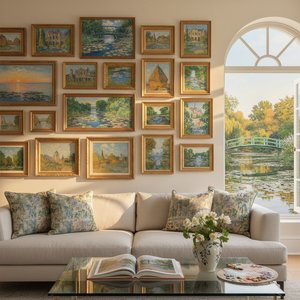
Claude Monet: 25 Meisterteost Valgusest ja Värvidest | AllPaintingsStore.com
Avastage Claude Monet 25 kõige ikoonilisemat teost! Sukelduge valgusest ja värvidest tulvil impressionismi maailma. Kunstiteosed, maalid ja seinakaunistused AllPaintingsStore.com-is. Avasta täielik kollektsioon online!
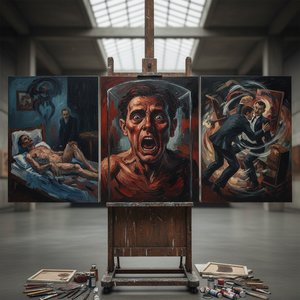
Francis Baconi 25 meistriteost: Emotsioonid ja kunstiline sügavus teie interjööris
Avastage Francis Baconi 25 võimsamat teost! Sukelduge ekspressionismi, figuurikunsti ja šoki maailma. Luksuslikud reproduktsioonid & interjööridisaini inspiratsioon AllPaintingsStore.com-is. Vaadake kollektsiooni!
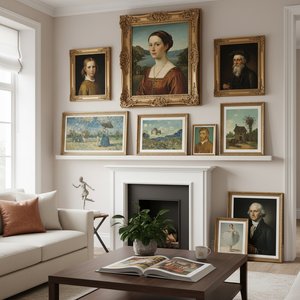
Rahvusgalerii parimad 25 teost Washingtonis: Kunsti meistriteosed kodus
Avastage Rahvusgalerii Washingtoni 25 parimat teost! Sukeldu Cézanne'i, Matisse'i ja Picasso maalidest inspireeritud kunstiajalukku. Leidke täiuslik seinakaunistus või luksuslik reproduktsioon kodusse AllPaintingsStore.com-is. Vaadake kogu kollektsiooni online!



