


 Eelvaade
 Saada
Saada Jaga
Jaga
 Teave teose kohta
 Juhend

 Laadi alla
 Sarnased teosed
 Röntgenuuring
 Slaidietendus
 Statistika
Still Life


 Loe lähemalt
Giclée / Kunstiprint
Muuseumikvaliteediga giclée- või kangasprint kiire tootmisega ja paindlikud viimistlusvõimalused. ( Osta käsitsi maalatud teos Lülita digitaalse pildi juurde)




P118B €10

P118H €10

P118W €10

P438Z €10

P508JH €12

P508YH €12

P805H €10

P805Z €10

P919BZ €10

P919G €10

P919XJ €10

P959ZH €10

P968JZ €12

W106C €8

W218G €10

W218JH €8

W218Y €10

W307PJ €10

W316G €10

W316PJ €8

W316Y €10

W398PJ €8

W4111J €10

W500HY €15

W500JH €15

W692G €12

W849H €8

W940BG €15

W953PJ €8




Vali meie eelmääratud suurused, mis vastavad teose algupärastele proportsioonidele.

Sisestage vajalik laius ja kõrgus, et see sobiks teie raamile või seinale. Trükki saab ainult lõigata, seda ei saa kunagi pildist suuremaks teha, seega ka erineva mustega suurus kaotab osa pildist. Enne trükkimist saadame teile kinnitamiseks digitaalse näidisprojektsiooni. Sellel lehel näidatud pilt ei kujuta reaalset lõiget — seda näitab ainult näidisprojektsioon.
Ülemaailmne tarne () 2 nädala jooksul, tavalise 4/5 nädala asemel. (28 oktoober)

Tasuta ekspresssaatmine üle maailma

Kõrgekvaliteediline lina-kangas

Täielik transpordikindlustus

Tollimaksude tagastamise garantii

Värvitoime täpsuse garantii

100 päeva tagastusõigus (ainult valmistusdefektide korral)

100% raha tagasi garantii

Hulgusoodustus
 Klaasivalik on saadaval ainult kuni 110 cm suuruses teostes

Still Life
Giclée / Kunstiprint
Reproduktsiooni suurus
-


Koguhind
€ 56
A Moment Frozen in Time: Ferdinand Guillaimin’s “Still Life”
Ferdinand Guillaimin's "Still Life," painted in 1872, isn’t merely a depiction of objects arranged on a table; it’s a carefully constructed tableau brimming with quiet observation and subtle symbolism. This work, rendered in the heart of the Impressionist movement, captures a fleeting moment of domestic tranquility – a scene both familiar and imbued with an understated elegance. The painting immediately draws the eye to the central arrangement: a vase overflowing with vibrant red and yellow flowers, their petals seemingly caught mid-bloom, radiating warmth against the cooler tones that dominate the rest of the composition. Beside them rests a worn book, its pages hinting at untold stories and intellectual pursuits, while a simple bowl holds what appears to be fruit – perhaps apples or pears – adding another layer of earthly abundance.
Guillaimin’s technique is distinctly Impressionistic, prioritizing capturing the *impression* of light and color rather than precise detail. Loose brushstrokes dance across the canvas, creating an atmospheric haze that softens the edges of each object. He masterfully employs broken color – applying small dabs of paint side-by-side to build up hues and create a shimmering effect, particularly noticeable in the reflections on the table’s surface. The dark background serves not as mere backdrop but as a crucial element, intensifying the luminosity of the floral arrangement and lending the scene a sense of intimacy and depth. The artist's focus is less on photographic realism and more on conveying the *feeling* of being present within this quiet space.
The Context of Parisian Impressionism
To fully appreciate “Still Life,” it’s essential to understand the artistic climate in which Guillaimin was working. The 1870s were a period of profound change and experimentation for French art, marked by the rise of Impressionism. Artists like Monet, Renoir, and Pissarro sought to break free from the rigid conventions of academic painting, embracing plein air (outdoor) painting and capturing the ephemeral qualities of light and atmosphere. Guillaimin’s work reflects this spirit of innovation, moving away from traditional subject matter and exploring new ways of representing the world around him.
Guillaimin's connection to Pissarro is particularly noteworthy. The artist spent a significant period painting alongside Pissarro in Pontoise, a suburb of Paris, where he found inspiration in the everyday life of the region. This proximity fostered a collaborative environment, allowing Guillaimin to refine his style and develop his unique approach to capturing light and color. The Impressionists were not simply interested in depicting what they *saw*; they were driven by a desire to express their subjective experience of the world.
Symbolism and the Language of Objects
Beyond its aesthetic qualities, “Still Life” is rich with symbolic meaning. The flowers themselves represent beauty, fragility, and the fleeting nature of life – themes frequently explored in Impressionist art. The book suggests knowledge, contemplation, and a connection to the past. The bowl of fruit symbolizes abundance, nourishment, and the pleasures of earthly existence. Even the dark background can be interpreted as representing mortality or the unknown.
Guillaimin’s use of these objects is deliberate and carefully considered, inviting the viewer to engage in a process of interpretation. He doesn't offer explicit explanations; instead, he presents a series of interconnected symbols that resonate with universal themes of beauty, life, and death. The arrangement feels deliberately balanced, creating a harmonious composition that evokes a sense of peace and serenity.
A Legacy of Delicate Beauty
Ferdinand Guillaimin’s “Still Life” stands as a testament to the power of observation and the enduring appeal of simple subjects rendered with exquisite sensitivity. It's a painting that rewards close attention, revealing layers of meaning and emotional depth with each viewing. Reproductions capture much of the original atmosphere, but nothing quite replicates the subtle nuances of light and color that define Guillaimin’s masterful technique.
Today, this work is celebrated for its evocative beauty and its contribution to the development of Impressionism. It remains a poignant reminder of the quiet moments of everyday life – a timeless meditation on beauty, mortality, and the enduring power of art.
Korduvad küsimused
Kas teose „Still Life“, autor Ferdinand Guillaumin autoriõigused lubavad selle reproduktsiooni?
Teos „Still Life“, autor Ferdinand Guillaumin, mis asub Musée d'Orsay kogumuses, kuulub lubaõigusliku ala kategoria avalikus õiguses – selle autoriõigud onหมดunud. See staatus määravad, kas teose reproduktsioone on lubatud valmistada.
Milline on teose „Still Life“, autor Ferdinand Guillaumin emotsionaalne toon?
Teos "Still Life" on seotud Reflective tundega. Emotsionaalne toon kirjeldab teose tekitavat muljet.
Kust saab teose „Still Life“, autor Ferdinand Guillaumin täna vaadata?
Originaalteost „Still Life“, autor Ferdinand Guillaumin hoiustatakse Musée d'Orsay, Paris, France muuseumis. Reproduktsioon võimaldab teost koduses keskkonnas esitleda.
Sarnased teosed


Kunstniku elulugu
Varajane Elu Ja Karjäär
Ferdinand Guillaumin, sündinud 16. veebruaril 1841. aastal Pariisis, oli prantsuse impressionisti maalija ja litograaf, kelle kunstiline teekond algas 19. sajandi keskel – ajastul, mil impressionism kogus Prantsusmaal hoogu. Guillaumin ei sündinud kunstniku perekonnas; tema isa oli riidekaupmees ning noor Ferdinand alustas oma karjääri hoopis ametnikuna ja hiljem ka vabrikuomanikuna. See praktiline taust, ehkki kaugel kunstimaailmast, andis talle aga unikaalse perspektiivi ja kindlustas finantsilise stabiilsuse, mis võimaldas tal pühenduda maalimisõpingutele ning katsetada uusi väljendusviise. Tema varased tööd olid pigem realistlikud, kuid kohtumine Claude Monet’ga 1860ndatel muutis tema kunstilist suunda radikaalselt. See sõprus ja koostöö said Guillauminile määrava tähtsusega ning viisid ta impressionismi südamesse.Panus Impressionismi Liikumisse
Guillaumin oli üks impressionismi liikumise aktiivseid liikmeid, osaledes mitmetel näitustel ja aidates kaasa selle uue kunstisuuna arengule. Impressionistide eesmärk oli tabada valguse ja värvi hetkelisi muljeid looduses ning Guillaumin võttis selle väljakutse omaks täieliku kirglusega. Tema maalid on sageli unistavad, pehmed maastikud, mis resoneerivad impressionismi vaimuga – rõõmsad värvid ja lahtised pintslilöögid loovad elava atmosfääri ning kutsuvad vaatajat kaasa hetkelisse kogemusse. Ta ei piirdunud pelgalt objekti täpse reprodutseerimisega, vaid püüdis edasi anda tunde, emotsiooni ja valguse mängu. Guillaumin oli eriti huvitatud värvide puhtusest ning nende omavahelisest suhtlusest, kasutades tihti komplementaarvärve, et saavutada intensiivsemat visuaalset efekti.Mõjutused Ja Assotsiatsioonid
Guillaumin ei töötanud vaakumis; tema loomingut mõjutasid paljud kaasaegsed kunstnikud ja liikumised. Claude Monet oli talle kindlasti oluline mentor ja sõber, kuid ta ammutas inspiratsiooni ka teistest impressionistidest nagu Camille Pissarro. Lisaks impressionismile näitas Guillaumin huvi sümbolismi vastu – liikumise vastu, mis rõhutas unenägude maailma ja müstikat. See kajastub tema töödes julgete värvide ning emotsionaalsete teemade kasutamises. Ta ei kartnud katsetada erinevate stiilide ja tehnikatega, luues oma unikaalse visuaalse keele. Guillaumin oli ka Vincent van Goghi tuttav, kuigi nende kunstiline koostöö jäi lühikeseks, mõjutas Van Gogh tema värvivalikuid ning ekspressiivsust.Pärand Ja Mälestus
Ferdinand Guillaumin suri 26. juunil 1927. aastal, jättes endale hindamatu pärandi impressionismi kunstiajalukku. Tema tööd on esindatud paljudes muuseumides ja kollektsioonides üle maailma, sealhulgas Mount Holyoke College Art Museum, mis aitab säilitada tema loomingut tulevastele põlvedele. Guillaumin oli rohkem kui lihtsalt impressionist; ta oli värvimeister, kes suutis edasi anda looduse ilu ja valguse võlu oma unikaalse stiili kaudu. Tema maalid on tänini populaarsed ning inspireerivad kunstnikke ja kunstihuvilisi üle maailma. Avastage rohkem Guillaumin’i töid ja impressionismi liikumist saidil AllPaintingsStore: Ferdinand Guillaumin | 3 teost Impressionismi kunstiliikumine
Ferdinand Guillaumin
1841 - 1927 , Prantsusmaa
Lühikest infot
- Artistic Movement Or Style: Impressionism
- Artists Or Movements Influenced By This Artist: ['Claude Monet']
- Artists Who Influenced This Artist:
- Vincent van Gogh
- Paul Cézanne
- Camille Pissarro
- Date Of Birth: 16. veebruar 1841
- Date Of Death: 26. juuni 1927
- Full Name: Jean Baptiste Armand Guillaumin
- Nationality: Prantslane
- Notable Artworks:
- Garden in Janville
- River Scene
- View of Puy de Dôme
- Place Of Birth: Pariis, Prantsusmaa
Sarnased artiklid

Blossoms of Time: A Historical Journey Through Flower Painting
Explore the captivating history of flower painting! Discover Dutch masters, symbolic meanings, & botanical art. Expert insights & high-quality reproductions at AllPaintingsStore.

Blossoming Symbolism: A Historical Journey Through Flowers in Western Painting
Explore the rich history of flower symbolism in Western painting! Discover how artists from the Renaissance to Modernism used blossoms to convey meaning, emotion & beauty. Learn about iconic artworks and movements.

Impressionism's Masterpieces: 10 Paintings That Defined a Movement | AllPaintingsStore
Journey through Impressionism's heart with 10 iconic paintings by Monet, Renoir & Degas. Explore light, color & the stories behind these masterpieces. Find museum-quality art reproductions and elevate your home decor on AllPaintingsStore.com.

Silent Narratives: Exploring the Enduring Appeal of Still Life Painting Across Centuries
Explore the rich history of still life painting with AllPaintingsStore. Discover Dutch Masters, decode vanitas symbolism & learn about collecting timeless art. Expert insights and museum-quality reproductions.
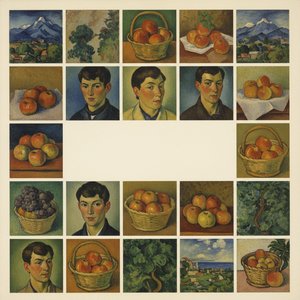
Paul Cézanne: 25 Meisterteost, mis Muutsid Maailma Kunsti | AllPaintingsStore
Avastage Paul Cézanne 25 kõige ikoonilisemat teost! Sukeldume postimpressionismi maailma, värviliste still life'ide ja Mont Sainte-Victoire maalide lugudesse. Leidke inspiratsiooni interjööri disainiks AllPaintingsStore.com-is. Vaadake maali reproduktsioone!

