

Cubism · 1920
Machine elements (Fernand Léger, 1920)
Machine elements on Fernand Léger (1881–1955) teos. See on pärinev 1920 aastast. See kuulub Cubism suuntrime. See on valmistatud materjalist Oil On Canvas.
- 1920
- Oil On Canvas

 Eelvaade

 Trükk
 Saada
 Jaga
 Teosest infokaart


 Laadi alla
 Sarnased teosed
 Röntgenuuring
 Slaidietendus
 KÜSIMUSED JA VASTUSID

 Statistika
Machine elements: peamised üksdetails
- Pealkiri
- Machine elements
- Kunstnik
- Fernand Léger (1881–1955)
- Kunstniku sünnukoht
- Argentan, Prantsusmaa
- Kuupäev
- 1920
- Materjalid
- Oil On Canvas
- Liikumine
- Cubism
- Aeglkond
- Modern
- Teema
- machine elements, cubism, geometry, industrial art, dynamism, futurism
Mida teos Machine elements kujutab?
A Symphony of Steel and Geometry
The year 1920 marked a profound shift in the visual language of modernity, and few works capture this seismic transition as vibrantly as Fernand Léger’s Machine Elements. At first glance, the viewer is confronted by a rhythmic, almost percussive arrangement of mechanical fragments that seem to pulse with the energy of a factory floor. The composition is anchored by a commanding wheel, its surface adorned with striking red and white stripes that draw the eye into a swirling vortex of industrial motion. This is not merely a depiction of objects; it is a Cubist vision where the boundaries between organic life and mechanical precision begin to blur. Through the clever fragmentation of form, Léger invites us to witness a world being reconstructed by the very gears and cogs that define our era, transforming static canvas into a dynamic, breathing landscape of progress.The Art of the Industrial Pulse
Léger’s technique in Machine Elements serves as a masterclass in the application of Cubist principles to celebrate the machine age. Moving away from the soft, ethereal qualities of Impressionism, he employs a bold, structural approach characterized by interlocking planes and sharp, defined edges. The artist utilizes oil on canvas with a deliberate, tactile presence, often applying paint in a way that suggests the weight and solidity of metal and iron. By dissecting familiar objects—a clock face, a chair, various smaller wheels—and reassembling them into an intricate visual tapestry, he creates a sense of spatial illusion that defies traditional perspective. This method allows the viewer to experience multiple viewpoints simultaneously, mirroring the fragmented, fast-paced perception of life in an increasingly urbanized and mechanized society.A Legacy of Modernity for the Contemporary Space
Beyond its technical brilliance, Machine Elements carries a profound emotional resonance that continues to captivate collectors and interior designers alike. It stands as a testament to the era's optimism and the relentless drive of human innovation. For those seeking to infuse a contemporary interior with character, this piece offers a sophisticated blend of bold color and structural harmony. The interplay of primary tones and geometric precision makes it an ideal focal point for spaces that value avant-garde aesthetics and intellectual depth. Owning a high-quality reproduction of this masterpiece is more than an act of decoration; it is an invitation to bring the enduring spirit of the industrial revolution into the modern home, celebrating a time when art and industry danced together in a beautiful, complex embrace.Machine elements: pildifailid

Kasutatud meie andmebaasist suurema resolutsiooniga pilti, mitte veebis olevat pilti: minimaalselt 300 DPI. Värvid on kontrollitud originaaliga ning faili on retušeerinud digitaalekspert.
Osta kõrge resolutsiooniga piltFernand Léger, Machine elements (1920).
Fernand Léger (1881–1955), Machine elements, 1920, oil on canvas. Avalik omaniklik õigus Pilt: AllPaintingsStore.com.
Küsimused teemal Machine elements
Mis aastal loodi teos „Machine elements“, autor Fernand Léger?
Teos „Machine elements“, autor Fernand Léger loodi aastal 1920.
Millist tehnikat teose „Machine elements“, autor Fernand Léger valmistamisel kasutati?
Teose „Machine elements“, autor Fernand Léger materjal on Oil On Canvas. Reproduktsioonide eesmärk on jälitada selle tehnika välimust.
Millised teemad teoses „Machine elements“, autor Fernand Léger esile tõelve?
Teemad, mis teoses „Machine elements“, autor Fernand Léger esinevad, hõlmavad machine elements, cubism, geometry, industrial art, dynamism, futurism, composition. Koos need kokkuvõtavad teose sisu.
Kas teos „Machine elements“, autor Fernand Léger kuulub avalikku omandisse?
Autoriõiguse teave teose „Machine elements“, autor Fernand Léger kohta: teos kuulub luba ala avalik && copyright on aegunud. See määrab, kas kujundist on lubatud vabadelt reproduktsioone teha.
Kes on teose "Machine elements" kunstnik?
Teose "Machine elements" autoriks on mõeldud Fernand Léger.
Millisse kunstisuuna kuulub teos „Machine elements“, autor Fernand Léger?
Teos „Machine elements“, autor Fernand Léger kuulub Cubism suunasse. See suund annab teosele stilistilise konteksti.
Millissele perioodile Fernand Léger karjäärist kuulub teos "Machine elements"?
Teos "Machine elements" esindab kunstniku Fernand Léger loovperioodi Mature Period.
Mis vanuses loos Fernand Léger teose "Machine elements"?
Fernand Léger loobus teose "Machine elements" 39 aasta vanuses. Kunstnik on sündinud aastal 1881 ning teos on dateeritud 1920.
Mis selgitab teose „Machine elements“, autor Fernand Léger autoriõiguste olukorda?
Teose "Machine elements" autoriõiguste staatus - avalik && copyright on aegunud - tuleneb kunstniku surma aastast 1955.
Kunstnik Fernand Léger kohta
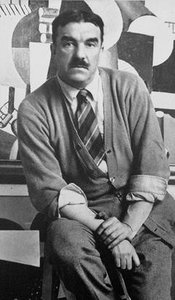
1881–1955, Prantsusmaa
Fernand Léger
Fernand Léger'i elu Fernand Léger'i lugu algab Argentani külas, mis asub Madrõun-Normandie piirkonnas Orne ängis. Ta tuli homma valgama 4. veebruaril 1881 aastal kui ainukein poeg. Tema varajased aastad said vormistada Prantsuse maapiirkonna vaiksuse ja tema ema, Marie-Adèle Daunou, kohalolun mõju all.
Iga Fernand Léger teos koos suuruse ja hinna infoga → Kunstniku profiil Fernand Léger kuulsumad teosed
Muud teosed kunstniku Fernand Léger eest
 Linn1919
 Mehaanik1920
 Kolm naist1921
 Naised metsas1910

Artiklid teemal Machine elements
 10 Iconic Masterpieces That Defined Geometric AbstractionAmidst the radical global transformations of the early 20th century, artists moved beyond representation to find the mathematical heartbeat…
 Mastering the Machine Age: The Top 25 Fernand Léger Artworks1919 saw the birth of The City, where Léger replaced organic textures with the rhythmic, mechanical symphony of the industrial machine age.…
 Steel & Soul: 10 Powerful Artworks That Capture the Industrial VibeAndy Warhol’s 1982 Crosses uses thirteen varying shapes to mirror mass production. Compare this to the rhythmic pulse of Fernand Léger’s Th…