Rahatagastus garantii · 100 päeva Tasuta kohaletoimetamine üle maailma
449582teosed 30618kunstnikud 4705muuseumid 32keeled
Valuta
    Keel
      Ateljee · Asutatud 2015 · Pariis, Prantsusmaa
      AllPaintingsStore
      allpaintingsstore.com
      Vaata sisu Vaata AR-eelvaadet Lülita trükkitoodetele Ülemineku digitaalse pildi müügi kanalisse Jaga teost
      Detailid Õppekate juhend Lisa lemmikutesse Laadi alla Sarnased teosed Röntgenuuring Slaidietendus Statistika

      untitled (7433)

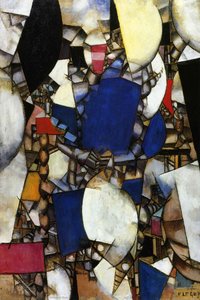
      Explore Fernand Léger’s ‘untitled (7433)’ – a stylized cityscape blending Cubism & Art Deco. Bold colors, geometric forms, & an evocative, detached atmosphere.

      Fernand Léger (1881–1955) – prantsuse kunstnik, kes lõi ainulaadse kubismi variatsiooni ja kujutas julgelt kaasaegset elu ning masinaid. Tema "tubism" ja Pop-kunsti eelkäija looming on täna maailmas tuntud!

      Käsitsi valmistatud õlimaalireproduktsioon

      Meie kunstnike poolt tellimusel valmistatud käsitsi maalitud õli-kainaste teos teie soovitud suuruses ja raamis. ( Lülita trükkitoodetele Ülemineku digitaalse pildi müügi kanalisse)

      Corner sample of the P118B picture frame: moulded polystyrene, 5 cm wide and 3 cm thick
      P118B 10
      Corner sample of the P118H picture frame: moulded polystyrene, 5 cm wide and 3 cm thick
      P118H 10
      Corner sample of the P118W picture frame: moulded polystyrene, 5 cm wide and 3 cm thick
      P118W 10
      Corner sample of the P438Z picture frame: moulded polystyrene, 5.5 cm wide and 3.5 cm thick
      P438Z 10
      Corner sample of the P508JH picture frame: moulded polystyrene, 7 cm wide and 3.5 cm thick
      P508JH 12
      Corner sample of the P508YH picture frame: moulded polystyrene, 7 cm wide and 3.5 cm thick
      P508YH 12
      Corner sample of the P805H picture frame: moulded polystyrene, 5 cm wide and 3.5 cm thick
      P805H 10
      Corner sample of the P805Z picture frame: moulded polystyrene, 5 cm wide and 3.5 cm thick
      P805Z 10
      Corner sample of the P919BZ picture frame: moulded polystyrene, 7 cm wide and 3.5 cm thick
      P919BZ 10
      Corner sample of the P919G picture frame: moulded polystyrene, 7 cm wide and 3.5 cm thick
      P919G 10
      Corner sample of the P919XJ picture frame: moulded polystyrene, 7 cm wide and 3.5 cm thick
      P919XJ 10
      Corner sample of the P959ZH picture frame: moulded polystyrene, 5 cm wide and 3 cm thick
      P959ZH 10
      Corner sample of the P968JZ picture frame: moulded polystyrene, 6 cm wide and 4 cm thick
      P968JZ 12
      Corner sample of the W106C picture frame: solid wood, 5 cm wide and 3 cm thick
      W106C 8
      Corner sample of the W218G picture frame: solid wood, 5 cm wide and 3 cm thick
      W218G 10
      Corner sample of the W218JH picture frame: solid wood, 5 cm wide and 3 cm thick
      W218JH 8
      Corner sample of the W218Y picture frame: solid wood, 5 cm wide and 3 cm thick
      W218Y 10
      Corner sample of the W307PJ picture frame: solid wood, 6 cm wide and 3 cm thick
      W307PJ 10
      Corner sample of the W316G picture frame: solid wood, 6 cm wide and 3 cm thick
      W316G 10
      Corner sample of the W316PJ picture frame: solid wood, 6 cm wide and 3 cm thick
      W316PJ 8
      Corner sample of the W316Y picture frame: solid wood, 6 cm wide and 3 cm thick
      W316Y 10
      Corner sample of the W398PJ picture frame: solid wood, 5 cm wide and 3 cm thick
      W398PJ 8
      Corner sample of the W4111J picture frame: solid wood, 6.5 cm wide and 3.5 cm thick
      W4111J 10
      Corner sample of the W500HY picture frame: solid wood, 7 cm wide and 5 cm thick
      W500HY 15
      Corner sample of the W500JH picture frame: solid wood, 7 cm wide and 5 cm thick
      W500JH 15
      Corner sample of the W692G picture frame: solid wood, 8 cm wide and 4 cm thick
      W692G 12
      Corner sample of the W849H picture frame: solid wood, 5 cm wide and 3 cm thick
      W849H 8
      Corner sample of the W940BG picture frame: solid wood, 7.5 cm wide and 4.5 cm thick
      W940BG 15
      Corner sample of the W953PJ picture frame: solid wood, 6 cm wide and 3.5 cm thick
      W953PJ 8

      Standardne suurus
      kohandatud
      CM
      INCH

      Vali meie eelmääratud suurused, mis vastavad teose algupärastele proportsioonidele.

      laius
      kõrgus

      Sa võite sisestada oma mõõtmed konkreetse raami või ruumi sobivuse tagamiseks. Kui teie valitud suurus ei vasta originaalpildi proportsioonidele, siis kärvime kunstiteost või laiendame maali täiendavate käsitsi maalitud elementidega. Enne tootmise algust saadetakse teile heakskiitmiseks digitaalne eelvaade.
      Palun pidage meeles, et ekraanil kuvatav eelvaade ei kajasta tegelikku kärpimist või laiendamist. Ainult eelvaade näitab täpselt lõplikku kompositsiooni.
      Kuigi on saadaval kohandatud suurused, soovitame originaalproportsioonide säilimiseks valida mõõdud eelmääratletud nimekirjast.

      Näited muudetavatest elementidest: asenda nägu kliendi fotoga; lisa lemmikloom (nt asenda kass koeraga); lisa taustale peidetud sõnum; muuda tausta maastikku või elemente.
      Pärast tellimust saadab AllPaintingsStore.com meeskond kliendile e-posti juhised ning esitab eelvaate kavandi

      Maailmline tarne 3–4 nädala jooksul tavalise 5 nädala asemel. (10 oktoober). Kvaliteedis kompromisse ei tehta.

      Tasuta ekspresssaatmine üle maailma
      Kõrgekvaliteediline lina-kangastest muld
      Täielik transpordikindlustus
      Tollimaksude tagastamise garantii
      Värvitoime täpsuse garantii
      100 päeva tagastusõigus (ainult defektide korral)
      100% raha tagasi garantii
      Hulgusoodustus

      Kogu summa

      € 222

      untitled (7433)

      Reproduktsiooni materjal

      Reproduktsiooni mõõtmed

      -

      Lõppsumma

      € 222

      Teave teose kohta

      • notable elements:
        • Geometric cityscape
        • Abstract tree-like structures
        • Flattened perspective
      • title: untitled (7433)
      • influences:
        • Impressionism
        • Cézanne
      • movement:
        • Cubism
        • Art Deco
      • artist: Fernand Léger

      Kunstiteaduse kvartett

      Iga küsimuse kohta on ainult üks õige vastus.

      Küsimus 1:
      Fernand Léger is most closely associated with which artistic movement, characterized by fragmented forms and geometric shapes?
      Küsimus 2:
      The artwork 'untitled (7433)' is characterized by a strong emphasis on what type of forms?
      Küsimus 3:
      What stylistic element, alongside Cubism, is suggested in the description of 'untitled (7433)'?
      Küsimus 4:
      The artwork's perspective is described as 'flattened.' What effect does this have on the overall impression?
      Küsimus 5:
      Based on the description, what is a potential emotional interpretation of 'untitled (7433)'?

      A Geometric Vision of Modernity

      In the vibrant tapestry of twentieth-century avant-garde art, few threads are as bold and structurally sound as those woven by Fernand Léger. His untitled (743 3) composition serves as a breathtaking window into an abstracted reimagining of urban existence, where the chaotic pulse of the city is distilled into a rhythmic dance of geometry. Rather than offering a literal window onto a streetscape, Léger invites us into a dreamlike realm where buildings and organic forms merge into a singular, stylized vision. The canvas is dominated by striking, bold shapes that suggest the soaring heights of architecture and the skeletal grace of abstracted trees, all arranged in a deliberate asymmetry that compels the viewer’s eye to wander across the surface, discovering new intersections of color and form with every glance.

      The emotional resonance of this piece lies in its unique ability to balance tension with harmony. There is a subtle, almost haunting sense of detachment within the flattened perspective; by minimizing depth, Léger distances the scene from the grit of everyday reality, elevating the cityscape to a plane of pure aesthetic contemplation. For the collector or interior designer, this work offers a sophisticated emotional anchor—a piece that conveys the controlled chaos of modern life while maintaining an air of serene, structured elegance. It is a visual symphony of modernity, capturing that fleeting moment where the industrial and the organic exist in a state of perfect, geometric equilibrium.

      The Pulse of the Machine Age

      To understand this masterpiece, one must delve into Léger’s revolutionary "Tubism," a distinctive evolution of Cubism that replaced the fragmented planes of his contemporaries with cylindrical, tubular forms. This technique breathes a muscular, mechanical energy into the work, celebrating the strength and dynamism of the industrial age. The application of color is remarkably purposeful; using what appears to be the flat, decisive strokes of gouache or acrylic, Léger employs a palette that is both vibrant and carefully curated. There is no room for the ambiguity of soft brushwork here; instead, every edge is sharply defined, creating a sense of order and architectural permanence that mirrors the very structures it depicts.

      This stylistic choice reflects Léger’s profound fascination with the aesthetics of progress. As a pioneer who found beauty in the metallic sheen and rhythmic precision of machinery, he utilized clean lines and streamlined patterns that whisper of the Art Deco movement. The artwork does not merely represent a city; it engineers an experience of one. For those seeking to infuse a contemporary space with intellectual depth and historical significance, this reproduction offers more than just decoration. It provides a profound connection to a period of radical transformation, bringing the high-voltage hum of the machine age into the quiet sanctuary of the modern home.

      A Legacy of Form and Color

      Beyond its striking visual impact, untitled (7433) stands as a testament to Léger’s enduring legacy as a bridge between the abstract experiments of the early 1900s and the populist energy of later movements like Pop Art. His ability to translate the complex, often alienating experience of urban industrialization into an accessible, figurative aesthetic is nothing short of masterful. The work avoids the coldness of pure abstraction by retaining a sense of recognizable life, even if that life is reimagined through a lens of geometric precision.

      Integrating such a piece into a curated collection or a high-end interior design project allows for a dialogue between history and modernity. The verticality of the composition lends itself to creating a sense of height and grandeur in a room, while the bold, primary-adjacent tones can serve as a focal point that energizes neutral palettes. Owning a reproduction of this caliber is an invitation to inhabit Léger’s world—a world where every cylinder, every stripe, and every shape vibrates with the eternal heartbeat of human progress and the unyielding beauty of form.

      Küsimused ja vastused

      Kas saan teose "untitled (7433)" näha täiskuunil slideshowina?

      Teose "untitled (7433)" diaporama on vaadatav teose Slideshow lehel.

      Kes on teose "untitled (7433)" kunstnik?

      Teose "untitled (7433)" looja on Fernand Léger. Teos on kataloogitud nime Fernand Léger all.

      Kust saan osta teose „untitled (7433)“, autor Fernand Léger digitaalse pildi?

      Teose „untitled (7433)“, autor Fernand Léger digitaalse faili hankimiseks tellige kõrge resolutsiooniga digitaalse pildi allalaadimine leheküljel see leht.

      Millist atmosfääri toob ruumi „untitled (7433)“, autor Fernand Léger reproduktsioon?

      Teose „untitled (7433)“, autor Fernand Léger meeleolu on Modern ning seda soovitatakse ruumides, mis on Living Room. Meeleolu tähistab seda, mida teos ümbritsevale piirkonnale lisab.

      Kust saan osta teose „untitled (7433)“, autor Fernand Léger käsitsi maalatud reproduktsiooni?

      Teose „untitled (7433)“, autor Fernand Léger käsitsi maalatud reproduktsioone müüakse saidil see veebileht: käsitsi maalatud õlireproduktsioon linaelapale, tellimiseks kasutada see leht.

      Kas teos "untitled (7433)" on saadaval kunstiprentina?

      Teose „untitled (7433)“, autor Fernand Léger trüket saab tellida otse lehelt see leht: kunstiprint puuvillalõikel}}^{\text{canvas}}$ või arhiveeritaval kangaspaberil.

      Kas teosele „untitled (7433)“, autor Fernand Léger on olemas juhend?

      Teosele „untitled (7433)“, autor Fernand Léger on saadaval Juhend leht: trüvitav infoleht teose kohta, mis on loodud õpilasteks ja klassiruumis kasutamiseks.


      Kunstniku elulugu

      Fernand Légeri Elu ja Pärand: Masinaaja Vaimustuses

      Joseph Fernand Henri Léger, sündinud 1881. aastal Argentanis Normandias, oli prantsuse kunstnik, keda peetakse üheks olulisimaks kujuks modernismi arendamisel. Tema teekond maalijana algas lihtsatest juurtest – talupidaja poja kasvatuses –, kuid viis ta Pariisi avantgardisti ringkondadesse, kus ta lõi ainulaadset visuaalset keelt, mis peegeldas masinaaja vaimu ja muutis kunstimaailma. Léger ei põgenenud abstraktsiooni varjupaika nagu paljud tema kaasaajalased; pigem püüdis ta integreerida modernsuse – selle dünaamilisust, mehaanilisi vorme ja olemust – oma loomingusse, luues nii võimsalt abstraktsed kui ka sügavalt vaadeldavale maailmale juurdunud teosed. Tema varajane elu, mis oli läbi imbunud põllumajandusliku töö reaalsusest, pakkis tugeva kontrasti tööstuslikule tulevikule, millele ta nii kirglikult pühendus.

      "Tubismi" Sünd ja Kulla Sektsiooni Liikumine

      Légeri kunstiline tee pöördeliseks hetkeks kujunes Paul Cézanne'i retrospektiiv 1907. aastal. See sündmus vabastas Légeri konventsionaalsest esindamisest ning suunas ta poole rohkem geomeetrilise ja struktuuralise lähenemise suunda. Ta hakkas vorme dekonstrueerima, analüüsima nende põhivorme ja ümber ehitama lõuendile uut rõõmu asetades tahkusele ja mahule. See uurimine viis ta kiiresti kubismi orbiidile, kuid Léger ei soovinud lihtsalt Picasso või Braque'i stiili jäljendada. Ta arendas omaenda eripära – isikliku kubismi vormi, mida kriitikud mänguliselt hüüdisid "tubismiks". Tüüpiliseks tunnuseks olid silindrilised vormid, lamedad tasandid ja julged värvikontrastid, mis tähistasid masina esteetikat ammu enne kui see sai laialdasemaks kunstiliseks tegevuseks. See oli kunst, mis sündis kasvava tööstusmaailma vaatlemisest, tunnustades ilu selle funktsionaalsetes vormides ja mehaanilistes rütmides. Aastatel 1909–1914 osales Léger aktiivselt avantgardisti tegevuses, liitudes Jean Metzingeri, Henri Laurensi, Jacques Lipchitzi, Chaïm Soutine'i, Robert Delaunay ja teiste kunstnikega.

      Sõda, Mehhaniseerimine ja Uus Esteetika

      Esimene maailmasõda mõjutas sügavalt Légeri elu ja tööd. Frontis teenistuses aastatel 1914–1916 tutvus ta kaasaegse sõja brutaalse reaalsusega – suurtükipommardamistest, õhulahingutest ja mehaanika dehumaniseerivatest mõjudest. See kogemus ei viinud pettumusse ega modernsuse hüljatesse; pigem tuletas see veelgi rohkem rõhutama tema masinatele pühendumist ja nende võimu. Tema teenistusaegadel tehtud joonistused dokumenteerisid sõjalise tehnoloogia karmi ilu, muutes hävitusvahendid kunstilise kaalutluse objektideks. Naasmisel tsiviil-ellu läks Légeri esteetika veelgi edasi arendades. Tema maalidel hakkasid kajastuma lihtsustatud mehaanilised tunded, tähistades tööstusmaailma dünaamilisust ja tõhusust. *Sõdur suitsega* (1916) näitab seda muutust, kujutades lihtsaid vorme ja julgeid värve, mis kutsuvad esile mehaanilise täpsuse tunde. See ei olnud pelgalt esteetiline valik; see oli filosoofiline avaldus – kinnitus modernsuse potentsiaalile edeneda ja uueneda isegi hävitava konflikti järel.

      Pärand ja Püsiv Mõjutus

      Sõjajärgsetel aastatel jätkas Léger tööstusmaailma ristumiskoha uurimist, lootes teoseid, mis tähistasid modernset elu ainulaadse värvimuhingu abil abstraktsiooni ja kujutuse vahel. Tema *Paysages animés* (Animeritud Maastikud) sarjast 1921. aastal näitasid figuuride ja loomade sujuvat integreerimist lihtsustatud kompositsioonidesse, hägustades piire orgaanilise ja anorgaanilise vahel. Ta eksperimenteeris ka skulptuuriga ja filmitegemisega, laiendades oma kunstipraktikat traditsiooniliste maalide piirde väljast. Légeri mõju järgmisele kunstnike põlvkondadele on eitamatud. Tema vormi julge lihtsus, tööstusliku kujutise omaksvõtmine ja populaarkultuuri tähistamine eelnenud Pop Art tekkimist aastakümneid hiljem. Sellised kunstnikud nagu Roy Lichtenstein ja Andy Warhol on selgelt võlgnud Légeri pioniiri tööd. Ta sillutas vahet abstraktsiooni ja kujutava esituse vahel, näitudes, et on võimalik luua teoseid, mis on nii intellektuaalselt ranged kui ka visuaalselt kaasahaaravad. Tänapäeval leidub Fernand Légeri maalide koosseisus suuremates muuseumides üle maailma, sealhulgas Prantsuse Musée d'Art et d'Histoire ja Biot's asuvas Musée National Fernand Légeris, mis on pühendatud ainult tema tööle. Ta jääb 20. sajandi kunsti hiiglasseks – visionäär, kes julges leida ilu masinaaja seest ja tõlkida selle lõuendile võrratu julgusega ja originaalsusega. Tema pärand on mitte ainult maalijana, vaid ka modernsuse prohvetina. Tõeline pioneer, kelle töö kõlab täna publikus endiselt.
      Fernand Léger

      Fernand Léger

      1881 - 1955 , Prantsusmaa

      Lühikest infot

      • Artistic Movement Or Style: Kubism, Tubism
      • Artists Or Movements Influenced By This Artist: ['Pop Art']
      • Artists Who Influenced This Artist: ['Paul Cézanne']
      • Date Of Birth: 4. veebruar 1881
      • Date Of Death: 17. august 1955
      • Full Name: Fernand Léger
      • Nationality: Prantsuse
      • Notable Artworks:
        • The Sitted Woman
        • Machine Element
        • The Great Parade
        • The City
      • Place Of Birth: Argentan, Prantsusmaa
      Avastage teoseid, mis on koondatud teemade, stiilide ja omaduste kaupa.