


 Vaata sisu
 Jaga teost
 Jaga
Jaga
 Detailid
 Juhend

 Laadi alla
 Sarnased teosed
 Röntgenuuring
 Slaidietendus
 Statistika
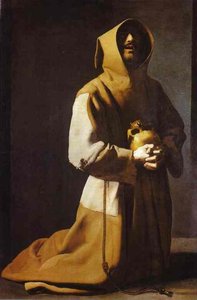
Saint Francis of Assisi in His Tomb
 Oil
Oil- WallArt
- Baroque Religious Painting
 1630
1630- Early Modern
 204.0 x 113.0 cm
 Loe lähemalt
Käsitsi valmistatud õlimaalireproduktsioon
Meie kunstnike poolt tellimusel valmistatud käsitsi maalitud õli-kainaste teos teie soovitud suuruses ja raamis. ( Lülita trükkitoodetele Ülemineku digitaalse pildi müügi kanalisse)




P118B $10

P118H $10

P118W $10

P438Z $10

P508JH $12

P508YH $12

P805H $10

P805Z $10

P919BZ $10

P919G $10

P919XJ $10

P959ZH $10

P968JZ $12

W106C $8

W218G $10

W218JH $8

W218Y $10

W307PJ $10

W316G $10

W316PJ $8

W316Y $10

W398PJ $8

W4111J $10

W500HY $15

W500JH $15

W692G $12

W849H $8

W940BG $15

W953PJ $8




Vali meie eelmääratud suurused, mis vastavad teose algupärastele proportsioonidele.

Sa võite sisestada oma mõõtmed konkreetse raami või ruumi sobivuse tagamiseks. Kui teie valitud suurus ei vasta originaalpildi proportsioonidele, siis kärvime kunstiteost või laiendame maali täiendavate käsitsi maalitud elementidega. Enne tootmise algust saadetakse teile heakskiitmiseks digitaalne eelvaade.
Palun pidage meeles, et ekraanil kuvatav eelvaade ei kajasta tegelikku kärpimist või laiendamist. Ainult eelvaade näitab täpselt lõplikku kompositsiooni.
Kuigi on saadaval kohandatud suurused, soovitame originaalproportsioonide säilimiseks valida mõõdud eelmääratletud nimekirjast.
Pärast tellimust saadab AllPaintingsStore.com meeskond kliendile e-posti juhised ning esitab eelvaate kavandi
Maailmline tarne 3–4 nädala jooksul tavalise 5 nädala asemel. (21 september). Kvaliteedis kompromisse ei tehta.

Tasuta ekspresssaatmine üle maailma

Kõrgekvaliteediline lina-kangastest muld

Täielik transpordikindlustus

Tollimaksude tagastamise garantii

Värvitoime täpsuse garantii

100 päeva tagastusõigus (ainult defektide korral)

100% raha tagasi garantii

Hulgusoodustus
 Klaasivalik on saadaval ainult kuni 110 cm suuruses teostes

Saint Francis of Assisi in His Tomb
Reproduktsiooni materjal
Reproduktsiooni mõõtmed
-


Lõppsumma
$ 258
A Silent Meditation on Divinity
In the quietude of 1630, Francisco de Zurbarán captured a moment that transcends the boundaries of mortality. Saint Francis of Assisi in His Tomb is not merely a depiction of death, but a profound exploration of eternal peace. As the viewer approaches this masterpiece, they are met with the stark, solemn presence of the saint, draped in the humble brown robes of his Franciscan order. The composition draws the eye toward the delicate interplay of life and repose; a small bird, perched softly upon the saint's hand, serves as a poignant reminder of Francis’s legendary connection to all living creatures. This subtle detail breathes a sense of tenderness into the somber setting, transforming a scene of burial into one of divine continuity.The Drama of Light and Shadow
Zurbarán’s technical brilliance is most evident in his masterful application of tenebrismo, a technique that defines the Spanish Baroque era. By utilizing extreme contrasts between deep, enveloping shadows and piercing, focused light, the artist directs our gaze with surgical precision. The light does not merely illuminate; it sculpts the textures of the heavy monastic fabric and highlights the serene, weathered features of the saint’s face. This chiaroscuro effect creates a palpable sense of atmosphere, as if the very air within the chapel is thick with prayer and spiritual weight. For the collector or interior designer, this dramatic interplay of light offers an unparalleled depth, making the painting a commanding focal point that commands attention through its quiet intensity rather than through loud color.Faith, History, and Eternal Grace
To understand this work is to understand the heart of the Counter-Reformation. Created during a period of fervent Catholic revival in Spain, the painting serves as a visual testament to the virtues of humility and asceticism. Every element within the frame is steeped in symbolic meaning:- The Brown Habit: A symbol of monastic poverty and the rejection of worldly vanity.
- The Small Bird: An emblem of divine providence and the saint's compassion for God's creatures.
- The Diffused Light: Representing the presence of the Holy Spirit amidst the darkness of the earthly tomb.
This painting is more than a historical artifact; it is an emotional journey. It invites the observer to contemplate the transition from the physical to the spiritual, making it an ideal acquisition for those seeking to infuse their spaces with a sense of historical gravity and contemplative peace. Whether displayed in a private gallery or a thoughtfully curated study, Zurbarán’s work remains a timeless window into the soul of the Golden Age.
Sarnased teosed


![Life Of Saint Francis - [01] - Stigmatization Of Saint Francis — Giotto, Early Renaissance](/media/artworks/images-thumb/fd/6a/fd6ae2a8f5e88e0ace6b86a21d020ded.jpg)



Kunstniku elulugu
Francisco de Zurbarán (1598-1664): The Spanish Caravaggio
Francisco de Zurbarán stands as one of Spain’s most compelling Baroque masters, a painter whose austere vision and dramatic use of light transformed religious subjects into profound meditations on faith and devotion. Baptized on November 7, 1598, in Fuente de Cantos, Extremadura, and passing on August 27, 1664, in Madrid, Zurbarán earned the nickname “Spanish Caravaggio” for his masterful command of chiaroscuro—a technique borrowed from Michelangelo Caravaggio that employed dramatic contrasts between light and shadow to create a sense of drama and emphasize the emotional intensity of his subjects. His paintings of monks, nuns, martyrs, and saints, and for his striking still lifes, capture the spiritual fervor of Spain’s Golden Age with an immediacy that continues to resonate with collectors today.
Early Life and Artistic Formation
Born in Fuente de Cantos, Extremadura, to Luis de Zurbarán, a haberdasher, and Isabel Márquez, young Francisco showed artistic inclination from childhood, imitating objects with charcoal. Recognizing his son’s talent, his father sent him to Seville in 1614 to apprentice for three years with Pedro Díaz de Villanueva, an artist of whom very little is known today.
The Seville Period: Establishing a Singular Style
By 1614, Zurbarán had established himself in Seville, a vibrant cultural hub and the gateway to Spain’s vast American colonies. He quickly rose to prominence, establishing a successful workshop and attracting numerous commissions, primarily for religious paintings intended for churches, monasteries, and private devotional use. This period witnessed the full flowering of his signature style—a compelling blend of stark realism and intense spirituality. His early works already showcased a masterful command of *tenebrism*, employing dramatic contrasts between light and shadow to create a sense of drama and emphasize the emotional intensity of his subjects. The influence of Juan Sánchez Cotán, known for his austere still lifes and precise realism, is also evident in Zurbarán’s formative years—a testament to the artistic traditions prevalent in Seville at the time.
Master of Tenebrism and Religious Devotion
Zurbarán's artistic prowess lay in his ability to transform religious narratives into powerfully moving visual experiences. He became renowned for his depictions of monks, nuns, martyrs, and saints—figures often portrayed in moments of profound contemplation or suffering. His *Immaculate Conception* (c. 1635), housed in the Museo de Bellas Artes in Bilbao, exemplifies this mastery; the Virgin Mary is depicted with serene dignity, bathed in ethereal light against a dark background, conveying both purity and divine grace. Similarly, his *Agnus Dei* (c. 1640), now part of the Metropolitan Museum of Art collection, presents a poignant image of Christ as the sacrificial lamb, radiating an aura of solemnity and sacrifice. The *Sudarium of St Veronica*, with its haunting depiction of the veil bearing the imprint of Christ’s face, showcases his exceptional control over tenebrism and emotional depth.
Royal Patronage and Lasting Legacy
Around 1630, Zurbarán achieved a significant milestone in his career when he became a court painter to Philip IV. This appointment brought him increased recognition and access to royal commissions, further solidifying his reputation as one of Spain’s leading artists. However, despite this success, his popularity waned somewhat in later years with the rise of different artistic tastes. The economic hardships facing Spain during the mid-17th century also impacted his ability to secure large-scale projects. Nevertheless, Zurbarán continued to work diligently, adapting his style and exploring new themes. His influence on Spanish Baroque art is undeniable; his dramatic use of chiaroscuro and his focus on religious subjects inspired generations of artists. A circle of followers, known as the “Zurbaranistas,” emerged, continuing to push the boundaries of tenebrism and explore the expressive possibilities of light and shadow. Though he passed away in 1664, Francisco de Zurbarán left behind a rich artistic legacy that continues to be celebrated today—a master of religious art whose works continue to resonate with viewers centuries later.
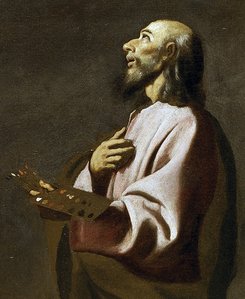
Francisco De Zurbarán
1598 - 1664 , Hispaania
Lühikest infot
- Artistic Movement Or Style: Baroque, Tenebrism
- Artists Or Movements Influenced By This Artist: ['Caravaggio']
- Artists Who Influenced This Artist: ['Juan Sánchez Cotán']
- Date Of Birth: November 7, 1598
- Date Of Death: August 27, 1664
- Full Name: Francisco de Zurbarán
- Nationality: Spanish
- Notable Artworks:
- Immaculate Conception
- Agnus Dei
- St Francis Receiving Stigmata
- Place Of Birth: Fuente de Cantos, Spain
Sarnased artiklid

The Dramatic Flourish: Exploring Themes of Power, Faith & Emotion in Baroque Artworks
Explore the dramatic world of Baroque art! Discover masters like Zurbarán & the powerful influence of religious zeal on painting techniques. Expert insights for collectors and enthusiasts.

The Golden Age Reforged: Dramatic Realism & Religious Zeal in Spanish Baroque Art
Explore the dramatic world of Spanish Baroque art! Discover masters like Zurbarán & the powerful influence of religious zeal on painting techniques – a guide for collectors and enthusiasts.

The Dramatic Flourish: Exploring the Baroque Movement's Enduring Legacy in Art History
Explore the dramatic world of Baroque art! Discover iconic artists like Caravaggio & Rubens, defining techniques, and its lasting impact on art history. Expert insights for collectors & enthusiasts at AllPaintingsStore.

Francisco de Zurbarán: Mysticism, Realism & the Golden Age of Spanish Painting
Explore the captivating world of Francisco de Zurbarán, a master of Spanish Baroque painting. Discover his dramatic tenebrism, religious masterpieces like 'La Porciúncula,' and lasting influence on art history.
Francis Baconi 25 meistriteost: Emotsioonid ja kunstiline sügavus teie interjööris
Avastage Francis Baconi 25 võimsamat teost! Sukelduge ekspressionismi, figuurikunsti ja šoki maailma. Luksuslikud reproduktsioonid & interjööridisaini inspiratsioon AllPaintingsStore.com-is. Vaadake kollektsiooni!


