


 Vaata sisu
 Jaga teost
 Jaga
Jaga
 Detailid
 Õppekate juhend

 Laadi alla
 Sarnased teosed
 Röntgenuuring
 Slaidietendus
 Statistika
Hope
 Acrylic On Canvas
- WallArt
- Symbolist Movement
 1886
1886 111.0 x 142.0 cm
 Tate Britain
 Loe lähemalt
Giclée / Kunstiprint
Muuseumikvaliteediga giclée- või kangasprint kiire tootmisega ja paindlikud viimistlusvõimalused. ( Telli käsitsi maalitud reproduktsioon Ülemineku digitaalse pildi müügi kanalisse)




P118B €10

P118H €10

P118W €10

P438Z €10

P508JH €12

P508YH €12

P805H €10

P805Z €10

P919BZ €10

P919G €10

P919XJ €10

P959ZH €10

P968JZ €12

W106C €8

W218G €10

W218JH €8

W218Y €10

W307PJ €10

W316G €10

W316PJ €8

W316Y €10

W398PJ €8

W4111J €10

W500HY €15

W500JH €15

W692G €12

W849H €8

W940BG €15

W953PJ €8




Vali meie eelmääratud suurused, mis vastavad teose algupärastele proportsioonidele.

Sisestage vajalik laius ja kõrgus, et see sobiks teie raamile või seinale. Trükki saab ainult lõigata, seda ei saa kunagi pildist suuremaks teha, seega ka differentse vormiga suurus kaotab osa pildist. Enne trükkimist saadame teile kinnitamiseks digitaalse näidisprojektsiooni. Sellel lehel näidatud pilt ei kujuta reaalset lõiget — seda näitab ainult näidisprojekttsioon.
Ülemaailmne tarne () 2 nädala jooksul, tavalise 4/5 nädala asemel. (24 oktoober)

Tasuta ekspresssaatmine üle maailma

Kõrgekvaliteediline lina-kangastest muld

Täielik transpordikindlustus

Tollimaksude tagastamise garantii

Värvitoime täpsuse garantii

100 päeva tagastusõigus (ainult defektide korral)

100% raha tagasi garantii

Hulgusoodustus
 Klaasivalik on saadaval ainult kuni 110 cm suuruses teostes

Hope
Giclée / Kunstiprint
Reproduktsiooni mõõtmed
-


Lõppsumma
€ 56
A Silent Plea: Unpacking the Profound Beauty of George Frederic Watts’ “Hope”
George Frederic Watts' "Hope," painted in 1886, isn’t merely a portrait; it’s an embodiment of resilience, a visual meditation on the enduring spirit within the face of adversity. Completed in two distinct versions – one residing in a private collection and the other gracing the walls of Tate Britain – this oil painting transcends its subject matter to become a universal symbol of quiet determination and the tenacious pursuit of beauty amidst darkness. Watts, a pivotal figure in the Symbolist movement, masterfully eschews overt displays of optimism, instead offering a profoundly moving depiction of vulnerability and unwavering hope. The piece immediately draws the viewer in with its muted palette – predominantly deep blues, browns, and greys—creating an atmosphere of contemplative melancholy. Yet, within this somber backdrop, a single, luminous thread of light emerges, hinting at the enduring power of the human spirit.The Figure and Her Burden
At the heart of “Hope” sits a woman, shrouded in a veil that obscures her face, yet radiating an undeniable sense of inner strength. She is seated upon a globe – a potent symbol of worldly concerns and the weight of existence – leaning forward with a delicate grace towards a frayed lyre. The posture itself speaks volumes: not one of frantic action or desperate yearning, but rather of patient listening, a quiet absorption of what remains. Her hands are clasped before her face, suggesting both introspection and a protective gesture, as if shielding herself from the overwhelming silence surrounding her. This isn’t a triumphant declaration of hope; it's a hesitant, almost fragile acceptance of its possibility. The artist deliberately avoids romanticizing suffering, presenting instead a raw and honest portrayal of vulnerability—a recognition that hope is not always loud or exuberant, but often whispers in the quiet corners of the soul.Symbolism Woven into the Canvas: Music, Silence, and the Unseen
Watts’ genius lies in his masterful deployment of symbolism. The lyre itself is a key element, representing music—not just auditory pleasure, but also inspiration, memory, and connection to something beyond the tangible world. Crucially, it's only *one* string remaining intact; this deliberate sparseness underscores the precariousness of hope, suggesting that even in the darkest times, there remains a flicker of potential beauty. The globe beneath her symbolizes the vastness of experience, the challenges and responsibilities of life. The veil concealing her face is particularly significant – it represents the unknown, the uncertainties we all confront, and the willingness to embrace them with courage. Notably, Watts abandoned the star that initially graced the upper left corner of the first version, opting for a more austere presentation, suggesting that hope doesn’t require external validation or divine intervention; it resides within us.Historical Context and Watts' Vision
Painted in 1886, “Hope” reflects the broader Symbolist movement’s fascination with spirituality, psychology, and the inner life. Watts was deeply influenced by his travels to Italy, particularly his exposure to Renaissance art and philosophy, which informed his belief that art should explore abstract ideas and emotions rather than simply depict reality. The painting emerged during a period of personal grief for Watts – his granddaughter had recently died – adding layers of emotional depth to the work. He sought to capture not just the *feeling* of hope, but its essence—its quiet persistence in the face of loss and uncertainty. The piece aligns with Watts’ broader project of creating a “House of Life,” a series of allegorical paintings intended to represent the totality of human experience.An Enduring Legacy: Hope as Inspiration
“Hope” continues to resonate powerfully today, not just for its artistic merit but also for its timeless message. It’s a reminder that even in moments of profound sadness and despair, the capacity for hope remains—a fragile yet resilient thread connecting us to something larger than ourselves. Its influence extends beyond the art world; it has been cited as an inspiration by figures such as Barack Obama, who used the image's powerful symbolism in his 2008 campaign. Reproductions of “Hope” serve as potent reminders that even when faced with overwhelming challenges, a quiet determination to find beauty and meaning can sustain us through the darkest times. It’s a piece that invites contemplation, prompting viewers to consider their own sources of hope and resilience—a truly remarkable testament to the enduring power of the human spirit.Küsimused ja vastused
Millises muuseumis on säilitatud originaal "Hope"?
Teos „Hope“, autor George Frederic Watts on näitustel Tate Britain, London, Ühendatud kuningriik. Muuseumi keterangane viitab originaalteosele, mitte reproduktsioonidele.
Kas teos „Hope“, autor George Frederic Watts on värviline või tumenev?
Üldiselt on teose "Hope" heledus registreeritud väärtusega shadow. Perseeeritud heledus kirjeldab, kui valguse või tumeda tundub teos olevat.
Kas teose „Hope“, autor George Frederic Watts autoriõigused lubavad selle reproduktsiooni?
Teos „Hope“, autor George Frederic Watts, mis asub Tate Britain kogumuses, kuulub lubaõigusliku ala kategoria avalikus õiguses – selle autoriõigud onหมดunud. See staatus määravad, kas teose reproduktsioone on lubatud valmistada.
Sarnased teosed


Kunstniku elulugu
varaj varanduse ja hariduse kohta
George Frederic Watts, symbolismistliku suunuse märkimisväärne tegelane, sündis 23. veebruaril 1817 Londoni Marylebones. Tema varajane elu oli iseloomulik nõrk tervis ja ema kaotus noores eas. Wattsi isa, klaverimeister, pakkus talle konservatiivset kristlikku haridust ja tutvustas teda klassikaga, sealhulgas Iliadiga. See klassikaline mõju sai hiljem tema kunstilise stiili nurgakiviks.karjäär
Watts alustas oma kunstilist teekonda juba 10-aastaselt, õppides skulptuuri under William Behnes. Hiljem, 18-aastasena, õppis ta Royal Academy Schools üliõpilikuna. Tema esimene näitus akadeemias aastal 1837 märkis tema viljakuse karjääri algust.- Caractacus, joonistus, mis esitati võistlusele uute koda muraleid projekteerimiseks, tõi Wattsile aastal 1eks auhinna.
- Tema hiljutemad reisid Itaaliasse (1843–1847) ja seos Briti suurlendikuga Henry Foxiga mõjutasid tema stiili, nagu on nähtav tema portreetil Lady Hollandist, mis eksponeeriti aastal 1848.
- Wattsi naasmine Briti saartele viis fresko tellimuse saamisele koda seintele, mille ta lõpetas aastate 1848 ja 1853 vahel.
symbolistlikud meistriteosed
Wattsi kuulsimate teoste hulka kuuluvad:- Loodus ja armastus ning elu, mis olid mõeldud osaks eepilisest sümbolistlikust tsüklist nimega "Elu maja".
- Punase Ristikaesnike triumf (Faerie Queenest), mis valmis aastatel 1852–53, näitab tema meistriklassi allegorilistes teemades.
- Tema portret näitlejannast Ellen Terry, mis maalis aastal 1864, on suurepärane näide tema võimest tabada oma teema olemust.
pärand
Wattsi mõju kunstimaailmale on vaieldamatu. Tema seotus symbolismistliku suunusega ning värvi ja vormi uuendusmeelne kasutamine on teinud temast armastatud kuju Briti kunsti ajaloos. Vaata George Frederic Wattsi kunstiteoseid AllPaintingsStore.com leheküljelmuuseumid, kus esinevad Wattsi tööd
- Lincoln's Inn, mis kuulub tema fresko Õigus, seadusandjate poolring.
- Watts Gallery – Artists' Village Guildfordis, Ühendkultuuris, mis on pühendatud Wattsi ja teiste kunstnike tööde säilitamisele.

George Frederic Watts
1817 - 1904 , Ühendatud Kuningriik
Lühikest infot
- Artistic Movement Or Style: Sümbolism
- Artists Or Movements Influenced By This Artist:
- Romantism
- Pre-rafaeliidid
- Artists Who Influenced This Artist:
- William Behnes
- Henry Fox
- Date Of Birth: 23. veebruar 1817
- Date Of Death: 1. juuli 1904
- Full Name: George Frederic Watts
- Nationality: Briti
- Notable Artworks:
- Loodus (Hope)
- Armastus ja elu (Love and Life)
- Punase Ristikaitsja triumf (The Triumph of the Red Cross Knight)
- Place Of Birth: Marylebone, Ühendkuninguus
Sarnased artiklid

Georges Seurat: 25 meistriteost valgusest ja värvist | AllPaintingsStore
Avastage Georges Seurat' 25 ikoonilist teost! Sukeldume pointillismi, valgusest ja värvist täis maailma. Leidke inspiratsiooni interjööri kujundamiseks AllPaintingsStore.com-is – kvaliteetsed reproduktsioonid ja kunstikollektsioonid ootavad!

The Enduring Legacy of Oil on Canvas: Technique, History & Aesthetic Impact
Explore the rich history & techniques of oil painting – from Renaissance masters to Impressionism. Discover pigments, layering methods, and why this timeless medium endures. Expert insights for artists & art enthusiasts.

Frederick Waters Watts: A Victorian Vision of Aestheticism & Spiritual Symbolism
Explore the captivating world of Frederick Watts, a key Victorian painter blending aestheticism & spiritual symbolism. Discover his allegorical masterpieces like 'Hope' and delve into his artistic journey with AllPaintingsStore.

George Frederic Watts: Symbolism, Spirituality & Victorian Ideal Beauty
Explore the captivating Symbolist art of George Frederic Watts. Discover his allegorical masterpieces, classical influences & spiritual themes. Learn about his legacy and find high-quality reproductions at AllPaintingsStore.
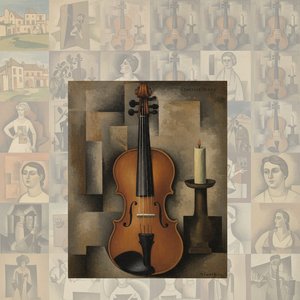
Georges Braque: 25 meistriteost, mis muutsid kunsti – AllPaintingsStore.com
Avastage Georges Braque 25 ikoonilist teost! Sukeldu kubismi maailma, modernse kunsti geomeetrilistesse vormidesse ja värvikates maalidess. Leia inspiratsiooni interjööri kujunduseks AllPaintingsStore.com-is. Kunstikollektsioonid ja kvaliteetsed reproduktsioonid.

