

1926. Oil On Canvas. Art Gallery of Hamilton.

§ 1Kataloogandmed


See teos on autoriõigusega kaitstud
Sellel lehel kuvatav kunstiteos on kaitstud autoriõigusega, mis tähendab, et meil ei ole seaduslikku õigust luua või müüa identset reproduktsiooni. Seda kaitset rakendatakse rahvusvaheliste kokkulepete alusel, nagu näiteks Berne konventsioon ning riiklike seadustega, sealhulgas nendega, mida on sätestatud USA autoriõiguse seadus – 17. peatükk.
Austasena ja seaduslikuna alternatiivina pakume originaalist inspireeritud, käsitsi maalitud isikupärastatud teoseid. Meie osutavad ja professionalsed kunstnikud uurivad hoolikalt originaali stiili, meelemoi ja kunstilist olemust, et luua uus, ainulaadne teos, mis tekitab sama tunnet – olles samal ajal omaette originaalne looming.
See meetod järgib täielikult autoriõiguse reegleid, kuna see ei põhine kaitstud kunstiteose kopeerimisel või dupliteerimisel. Selle asemel on tegu loova reinterpreetatsiooniga – uue maaldisega, mis on algteosest inspireeritud, kuid ei ole sellest identiline.
 Loe lähemalt
§ 2Abstraktne
Kogumisobjekti kirjeldus
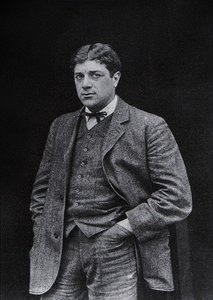
Kunstniku elulugu
Georges Braque oli kubismi üks rajajaid ja fauvismiga tuntud kunstnik. Tema suurimad teosed hõivatakse L’Estaque maja maalidega ning tänu koostöösele Pablo Picasso'ga jäi ta kunstiloo tähtsamaks esindajaks.
§ 3Kommentaar
Georges Braque’s Nature Morte: A Fragmented Reflection of Modern Consciousness
Georges Braque’s “Nature Morte,” painted in 1926, stands as a cornerstone of Cubist exploration and a testament to the artist's profound engagement with visual perception. More than just a depiction of fruit—grapes, apples, and pears arranged within a simple bowl on a tabletop—the painting embodies the intellectual currents shaping European art at the time, reflecting a deliberate dismantling of traditional artistic conventions in favor of geometric abstraction.
- Subject Matter: The composition centers around a commonplace object – the fruit bowl – yet Braque elevates it to an arena for formal experimentation. He eschews realistic representation, prioritizing instead the conveyance of spatial relationships through interlocking planes and faceted surfaces.
- Style & Technique: Characteristic of Cubism’s Second Phase, “Nature Morte” exemplifies Analytical Cubism. This approach involves fracturing objects into multiple perspectives simultaneously, presenting them as intersecting geometric forms rather than solid masses. Braque meticulously applied oil paint with a glazing technique—thin layers of translucent color—to build up the image gradually, achieving remarkable luminosity and depth despite its apparent simplicity.
- Historical Context: Created during the height of Cubist fervor, “Nature Morte” aligns itself with the broader artistic movement’s rejection of Impressionism's focus on fleeting sensations. Artists like Picasso and Cézanne were actively questioning how we perceive reality, influenced by advancements in scientific theories concerning optics and relativity.
- Symbolism & Emotion: While seemingly devoid of overt narrative, “Nature Morte” carries subtle symbolic weight. The bowl itself represents containment and stillness—a deliberate contrast to the dynamism inherent in Cubist exploration. The fragmented forms convey a sense of disorientation and challenge viewers to reconsider their understanding of visual space.
- Emotional Impact: Despite its intellectual rigor, Braque’s painting possesses an undeniable aesthetic beauty. The harmonious interplay of color—primarily greens—creates a tranquil atmosphere that belies the underlying conceptual framework. It invites contemplation on the nature of perception and the transformative potential of artistic innovation.
As evidenced by Google Arts & Culture (Hamilton, Canada) and the National Gallery of Art (Nature Morte (Still Life) by Georges Braque, Paul Rosenberg), “Nature Morte” continues to resonate with audiences today. Its enduring appeal lies in its masterful distillation of Cubist principles—a bold assertion of artistic freedom and a pioneering contribution to the visual language of modern art.
Consider commissioning a high-quality reproduction from AllPaintingsStore.com for your home or office – bringing this iconic artwork into your space!
Korduvad küsimused
Mis on teose „Nature Morte“, autor Georges Braque materjal ja valmimisaeg?
Teos "Nature Morte" valmis aastal 1926, kasutades Oil On Canvas tehnikat. Materjal ja kuupäev kirjeldavad, kuidas ja millal originaal on valminud.
Kas ma saan näha teost „Nature Morte“, autor Georges Braque erinevates valgustingimustes?
Teost "Nature Morte" saab uurida kiht kihti teose Röntgenuuring lehel, mis on restauraatori valgelaudast inspireeritud interaktiivne vaatur, pakkudes kujundist üksteist optilist lugemist.
Kes lõi teose "Nature Morte" ja millises stiilis see on?
Teose "Nature Morte" on loonud Georges Braque Cubist Still Life stiilis. Kunstnik ja suunamine määratlevad teose traditsiooni.


 Lülita trükkitoodetele


 Kunstiteoste või reproduktsioonide puhul, mille üks külg on üle 105 cm (umbikmolt 41 tolli), saadetakse raam kirjal asendis, la Dismantlitud komplektina. See meetod tagab ohutuse kohaletoimetamisel ja väldib transpordil tekkivaid kahjustusi.


