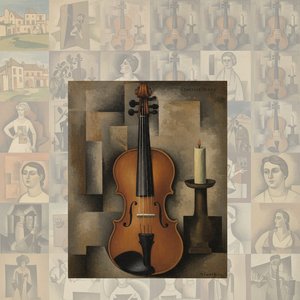
1961. Oil On Canvas.

§ 1Catalogue data


See teos on autoriõigusega kaitstud
Sellel lehel kuvatav kunstiteos on kaitstud autoriõigusega, mis tähendab, et meil ei ole seaduslikku õigust luua või müüa identset reproduktsiooni. Seda kaitset rakendatakse rahvusvaheliste kokkulepete alusel, nagu näiteks Berne konventsioon ning riiklike seadustega, sealhulgas nendega, mida on sätestatud USA autoriõiguse seadus – 17. peatükk.
Austasena ja seaduslikuna alternatiivina pakume originaalist inspireeritud, käsitsi maalitud isikupärastatud teoseid. Meie osutavad ja professionalsed kunstnikud uurivad hoolikalt originaali stiili, meelemoi ja kunstilist olemust, et luua uus, ainulaadne teos, mis tekitab sama tunnet – olles samal ajal omaette originaalne looming.
See meetod järgib täielikult autoriõiguse reegleid, kuna see ei põhine kaitstud kunstiteose kopeerimisel või dupliteerimisel. Selle asemel on tegu loova reinterpreetatsiooniga – uue maaldisega, mis on algteosest inspireeritud, kuid ei ole sellest identiline.
 Loe lähemalt
§ 2Abstract
Kogumisobjekti kirjeldus
Explore Georges Braque’s ‘The Bicycle,’ a surreal Fauvist masterpiece! Vibrant colors & expressive brushwork depict stillness through dynamic abstraction. A unique art piece.
Kunstniku elulugu
Georges Braque oli kubismi üks rajajaid ja fauvismiga tuntud kunstnik. Tema suurimad teosed hõivatakse L’Estaque maja maalidega ning tänu koostöösele Pablo Picasso'ga jäi ta kunstiloo tähtsamaks esindajaks.
§ 3Commentary
A Vision of Modernity: Decoding Braque’s ‘The Bicycle’
Georges Braque's 1961 painting, *The Bicycle*, is far more than a depiction of a common object; it’s a compelling exploration of modernity, movement, and the evolving relationship between humanity and technology. While Braque is celebrated as a pioneer of Cubism, this work reveals his continued engagement with Fauvist principles – a vibrant palette and expressive brushwork – applied to a subject matter that speaks to the burgeoning 20th century.Subject & Composition: Stillness Within Motion
The painting centers around a bicycle, an emblem of freedom and progress at the time. However, Braque doesn’t present it in dynamic action. Instead, the bicycle appears almost suspended, static within a swirling composition of abstracted forms and bold colors. This deliberate stillness invites contemplation – what does this symbol of movement *mean* when divorced from motion? The surrounding shapes aren't merely background; they seem to interact with the bicycle, perhaps representing the environment it traverses or even the rider’s experience.Style & Technique: Fauvism Reimagined
Braque masterfully employs a Fauvist sensibility in *The Bicycle*. The canvas explodes with intense hues – purples, pinks, and blues dominate, creating a dreamlike atmosphere. His brushstrokes are visible and energetic, contributing to the painting’s overall dynamism despite the bicycle's stillness. This isn’t a precise rendering; it’s an emotional response *to* the object, conveyed through color and texture. The impasto technique – applying paint thickly – adds depth and physicality to the work, drawing the viewer in.Historical Context: Post-War Reflections
Painted in 1961, after the devastation of World War II, *The Bicycle* can be interpreted as a reflection on rebuilding and reimagining life. The bicycle, though simple, represents personal transportation and independence – qualities that would have resonated deeply during a period of recovery and societal shift. Braque’s continued exploration of non-Cubist styles in his later years demonstrates an artistic restlessness and a desire to continually redefine his approach.Symbolism & Emotional Impact: A Fragmented Dreamscape
The ambiguity inherent in the painting is key to its power. The distorted forms and surreal atmosphere evoke a sense of unease, perhaps mirroring the anxieties of the modern world. Is this bicycle a symbol of hope or a relic of a bygone era? The lack of clear narrative allows for multiple interpretations, making it a deeply personal experience for each viewer. It’s a fragmented dreamscape where recognizable elements are juxtaposed with fantastical shapes, prompting questions about identity, progress, and the human condition.Braque's Legacy: Beyond Cubism
While Braque is rightfully remembered as a founding father of Cubism alongside Pablo Picasso, works like *The Bicycle* demonstrate his versatility and enduring artistic vision. He wasn’t confined by labels; he continually experimented with different styles and techniques throughout his career. This painting serves as a reminder that even the most groundbreaking artists are capable of surprising us with new facets of their creativity.Collecting & Interior Design
A reproduction of *The Bicycle* would be a striking addition to any art collection or interior space. Its bold colors and dynamic composition make it a focal point, while its underlying themes invite conversation and contemplation. It complements modern and contemporary interiors particularly well, adding a touch of intellectual sophistication and artistic flair. The painting’s energy can enliven a living room, study, or office, sparking creativity and inspiring thought.- Style: Fauvism, Modern Art
- Technique: Oil on Canvas, Impasto
- Colors: Purple, Pink, Blue, with vibrant accents
- Emotional Impact: Thought-provoking, Surreal, Dynamic yet Still
Korduvad küsimused
Kuhu kohta on teose "The Bicycle" Portrait formaat soovitatav paigutada?
Teose „The Bicycle“, autor Georges Braque Portrait formaat on soovitatav kasutada ruumis Living Room. Formaat ja ruum aitavad koos otsustada reproduktsiooni paigutamise kohta.
Mis tüüpi teos on „The Bicycle“, autor Georges Braque?
"The Bicycle" on WallArt teos.
Kuidas materjal ja suund teoses "The Bicycle" kokku saavad?
„The Bicycle“, autor Georges Braque ühendab endas Oil On Canvas tehnikat ja Cubism stiili. Tehnika ja suundumus kirjeldavad teose valmistusviisi ja esteetikat.


 Lülita trükkitoodetele


 Kunstiteoste või reproduktsioonide puhul, mille üks külg on üle 105 cm (umbikmolt 41 tolli), saadetakse raam kirjal asendis, la Dismantlitud komplektina. See meetod tagab ohutuse kohaletoimetamisel ja väldib transpordil tekkivaid kahjustusi.