


 Eelvaade
 Saada
Saada Jaga
Jaga
 Teave teose kohta
 Juhend

 Laadi alla
 Sarnased teosed
 Röntgenuuring
 Slaidietendus
 Q&A
Q&A Statistika
The tower


 Loe lähemalt
Sellel lehel kuvatav kunstiteos on kaitstud autoriõigusega, mis tähendab, et meil ei ole seaduslikku õigust luua või müüa identset reproduktsiooni. Seda kaitset rakendatakse rahvusvaheliste kokkulepete alusel, nagu näiteks Berne konventsioon ning riiklike seadustega, sealhulgas nendega, mida on sätestatud USA autoriõiguse seadus – 17. peatükk.
See meetod järgib täielikult autoriõiguse reegleid, kuna see ei põhine kaitstud kunstiteose kopeerimisel või dupliteerimisel. Selle asemel on tegu loova reinterpreetatsiooniga – uue maaldisega, mis on algteosest inspireeritud, kuid ei ole sellest identiline.
Giclée / Kunstiprint
Muuseumikvaliteediga giclée- või kangasprint kiire tootmisega ja paindlikud viimistlusvõimalused. ( Osta käsitsi maalatud teos Lülita digitaalse pildi juurde)




P118B €10

P118H €10

P118W €10

P438Z €10

P508JH €12

P508YH €12

P805H €10

P805Z €10

P919BZ €10

P919G €10

P919XJ €10

P959ZH €10

P968JZ €12

W106C €8

W218G €10

W218JH €8

W218Y €10

W307PJ €10

W316G €10

W316PJ €8

W316Y €10

W398PJ €8

W4111J €10

W500HY €15

W500JH €15

W692G €12

W849H €8

W940BG €15

W953PJ €8




Vali meie eelmääratud suurused, mis vastavad teose algupärastele proportsioonidele.

Sisestage vajalik laius ja kõrgus, et see sobiks teie raamile või seinale. Trükki saab ainult lõigata, seda ei saa kunagi pildist suuremaks teha, seega ka erineva mustega suurus kaotab osa pildist. Enne trükkimist saadame teile kinnitamiseks digitaalse näidisprojektsiooni. Sellel lehel näidatud pilt ei kujuta reaalset lõiget — seda näitab ainult näidisprojektsioon.
Ülemaailmne tarne () 2 nädala jooksul, tavalise 4/5 nädala asemel. (31 oktoober)

Tasuta ekspresssaatmine üle maailma

Kõrgekvaliteediline lina-kangas

Täielik transpordikindlustus

Tollimaksude tagastamise garantii

Värvitoime täpsuse garantii

100 päeva tagastusõigus (ainult valmistusdefektide korral)

100% raha tagasi garantii

Hulgusoodustus
 Klaasivalik on saadaval ainult kuni 110 cm suuruses teostes

The tower
Giclée / Kunstiprint
Reproduktsiooni suurus
-


Koguhind
€ 57
A Haunting Vision: De Chirico’s Tower
This striking black and white painting by Giorgio de Chirico presents a tall, enigmatic tower dominating a desolate landscape. The structure, crowned with a bold red roof, immediately draws the eye, its four visible sides each hinting at different architectural influences – a subtle suggestion of fragmented memories or unrealized possibilities. Two small figures stand in the background, dwarfed by the tower’s imposing presence, seemingly lost in contemplation or perhaps observing an unknowable mystery. The dark, atmospheric sky amplifies the sense of isolation and timelessness.Metaphysical Masterpiece: Style & Technique
Executed with a precise yet dreamlike quality, this work is quintessential *pittura metafisica* – Metaphysical painting. De Chirico pioneered this movement in the early 20th century, rejecting traditional artistic conventions to explore the realm of dreams, subconscious anxieties, and philosophical questioning. The stark contrast between light and shadow, coupled with the simplified forms and illogical perspective, creates a disquieting yet captivating visual experience. While the medium is not specified, the painting’s smooth surfaces suggest oil on canvas, allowing for subtle gradations in tone that enhance its atmospheric depth.Historical Context & Artistic Influences
Born in Greece to Italian parents, Giorgio de Chirico was deeply influenced by classical architecture, particularly Roman ruins and Renaissance piazzas. This fascination is evident in the tower’s design, which evokes a sense of ancient grandeur combined with an unsettling modernity. He drew inspiration from philosophers like Nietzsche and Schopenhauer, whose ideas about fate, illusion, and the human condition permeate his work. De Chirico's metaphysical paintings profoundly impacted the Surrealist movement, influencing artists such as Salvador Dalí and René Magritte. This piece, created around 1921, falls within a period where de Chirico was solidifying his unique visual language, exploring themes of alienation and the search for meaning in a rapidly changing world.Symbolism & Interpretation
The tower itself is rich with symbolic potential. It can be interpreted as representing human ambition, isolation, or even the weight of history. The red roof provides a jarring focal point – a symbol of passion, danger, or perhaps simply an arbitrary element disrupting the otherwise monochromatic palette. The two figures, rendered small and indistinct, may represent humanity’s insignificance in the face of larger forces or our inherent loneliness. The desolate landscape reinforces this sense of existential unease. De Chirico intentionally avoided providing definitive interpretations of his work, preferring to allow viewers to project their own emotions and experiences onto the canvas.Emotional Impact & Interior Design Considerations
This painting evokes a powerful emotional response – a blend of melancholy, mystery, and quiet contemplation. Its monochromatic palette and stark composition make it a versatile piece for interior design. It would complement modern or minimalist spaces, adding a touch of intellectual sophistication and artistic intrigue. The painting’s scale (unknown but likely substantial given the subject matter) suggests it could serve as a focal point in a living room, study, or hallway.- Its dramatic presence demands attention without overwhelming the space.
- The black and white palette allows for flexibility with surrounding colors and furnishings.
- It’s an excellent conversation starter, inviting viewers to engage with its enigmatic beauty.
Korduvad küsimused
Millist emotsiooni „The tower“, autor Giorgio De Chirico edastab?
Teos "The tower" on seotud Melancholic tundega. Emotsionaalne toon kirjeldab teose tekitavat muljet.
Mis on teose „The tower“, autor Giorgio De Chirico luminants?
Teose „The tower“, autor Giorgio De Chirico luminants on Dark.
Kas teose „The tower“, autor Giorgio De Chirico pilt on vabalt reproduseeritav?
Autoriõiguse teave teose „The tower“, autor Giorgio De Chirico kohta: teos kuulub luba ala on endiselt autoriõiguse all under kaitse. See määrab, kas kujundist on lubatud vabadelt reproduktsioone teha.
Sarnased teosed


Kunstniku elulugu
Giorgio de Chirico: A Dreamscape of the Mind
Giorgio de Chirico (10. mai 1888 Volos, Kreeka – 20. november 1978 Rooma, Itaalia) oli itaalia maalikunstnik, kes koos Carlo Carràga ja Giorgio Morandiaga asutas metafüüsilise maalilise stiili. Ta õppis Ateena polütehnikumis ja Müncheni Kunstiakadeemias. De Chirico oli mõjutatud Arnold Böcklini loomingu poolest ja Friedrich Nietzsche filosoofiast. Tema esimeste tööde perioodil olid tema huvid keskendunud klassikalisele arhitektuurile ning müüdi kunstniku Carlo Carràga koosolemusele metafüüsilise maalilise stiili põhimõtete kohta, mis ilmnevad de Chirico kõrgaja (1910–1918) teostes. Tema töö oli täielikult mõjutatud Arnold Böcklini ja Max Klingeri kunstniku tööd ning Friedrich Nietzsche filosoofiast.- Varane Elu ja Haridus: Giorgio de Chirico sündis Volos, Kreegas 1888. aastal itaalia päritoluga perele – Genoese ema ja Sicilian isa. Tema varased õppetööd Ateena polütehnikumis pakkusid talle klassikalise tehnika baasi, kuid Müncheni Kunstiakadeemia oli tema loomingulisele mõtete arengule kriitilise tähtsusega koht.
- Müncheni Kunstiakadeemia ja Esimese Maailmasööda Algus: Müncheni Kunstiakadeemias õppis de Chirico kunstniku Carlo Carràga koosolemusele metafüüsilise maalilise stiili põhimõtete kohta, mis ilmnevad de Chirico kõrgaja (1910–1918) teostes.
Metafüüsiline Maal ja Tema Põhimõtted
De Chirico püsis otsingutes sellega, kuidas saada täielikult mõjutatud Arnold Böcklini ja Max Klingeri kunstniku tööd ning Friedrich Nietzsche filosoofiast. Ta oli erityötegija metafüügilise maalilise stiili põhimõtete kohta koos Carlo Carràga ning Giorgio Morandiaga. Tema esimeste tööde perioodil olid tema huvid keskendunud klassikalisele arhitektuurile ning müüdi kunstniku Carlo Carràga koosolemusele metafüüsilise maalilise stiili põhimõtete kohta, mis ilmnevad de Chirico kõrgaja (1910–1918) teostes. Tema töö oli täielikult mõjutatud Arnold Böcklini ja Max Klingeri kunstniku tööd ning Friedrich Nietzsche filosoofiast. Ta püsis otsingutes sellega, kuidas saada täielikult mõjutatud Arnold Böcklini ja Max Klingeri kunstniku tööd ning Friedrich Nietzsche filosoofiast. Tema esimeste tööde perioodil olid tema huvid keskendunud klassikalisele arhitektuurile ning müüdi kunstniku Carlo Carràga koosolemusele metafüüsilise maalilise stiili põhimõtete kohta, mis ilmnevad de Chirico kõrgaja (1910–1918) teostes. Tema töö oli täielikult mõjutatud Arnold Böcklini ja Max Klingeri kunstniku tööd ning Friedrich Nietzsche filosoofiast.- “Sügisõhtu Mõistatus” ja Ühe Tänavaga Saladus: De Chirico suurim saavutus oli “Sügisõhtu Mõistatus”, mis kujutab endast täielikult mõjutatud Arnold Böcklini ja Max Klingeri kunstniku tööd ning Friedrich Nietzsche filosoofiast.
Surrealismi Ühine Põhimõte ja De Chirico Vägede Ühendamine
De Chirico oli erityötegija Surrealismi ühise põhimõtte kohta koos Pablo Picasso ja Guillaume Apollinairega ning Giorgio Morandiaga. Tema esimeste tööde perioodil olid tema huvid keskendunud klassikalisele arhitektuurile ning müüdi kunstniku Carlo Carràga koosolemusele metafüüsilise maalilise stiili põhimõtete kohta, mis ilmnevad de Chirico kõrgaja (1910–1918) teostes. Tema töö oli täielikult mõjutatud Arnold Böcklini ja Max Klingeri kunstniku tööd ning Friedrich Nietzsche filosoofiast. Ta püsis otsingutes sellega, kuidas saada täielikult mõjutatud Arnold Böcklini ja Max Klingeri kunstniku tööd ning Friedrich Nietzsche filosoofiast. Tema esimeste tööde perioodil olid tema huvid keskendunud klassikalisele arhitektuurile ning müüdi kunstniku Carlo Carràga koosolemusele metafüüsilise maalilise stiili põhimõtete kohta, mis ilmnevad de Chirico kõrgaja (1910–1918) teostes. Tema töö oli täielikult mõjutatud Arnold Böcklini ja Max Klingeri kunstniku tööd ning Friedrich Nietzsche filosoofiast.Pärand ja Tähtsus Kunstilises Histoorias
Giorgio de Chirico jäi maha mitte ainult suurepääradena maalitud tööde kogu, vaid ka uus nägemisviis – nägemisviis, mis väljendub metafüüsilise maalilise stiili põhimõtete kohta koos Pablo Picasso ja Guillaume Apollinairega ning Giorgio Morandiaga. Tema suurim saavutus oli “Sügisõhtu Mõistatus”, mis kujutab endast täielikult mõjutatud Arnold Böcklini ja Max Klingeri kunstniku tööd ning Friedrich Nietzsche filosoofiast. Ta püsis otsingutes sellega, kuidas saada täielikult mõjutatud Arnold Böcklini ja Max Klingeri kunstniku tööd ning Friedrich Nietzsche filosoofiast. Tema esimeste tööde perioodil olid tema huvid keskendunud klassikalisele arhitektuurile ning müüdi kunstniku Carlo Carràga koosolemusele metafüüsilise maalilise stiili põhimõtete kohta, mis ilmnevad de Chirico kõrgaja (1910–1918) teostes. Tema töö oli täielikult mõjutatud Arnold Böcklini ja Max Klingeri kunstniku tööd ning Friedrich Nietzsche filosoofiast. Ta püsis otsingutes sellega, kuidas saada täielikult mõjutatud Arnold Böcklini ja Max Klingeri kunstniku tööd ning Friedrich Nietzsche filosoofiast. Tema esimeste tööde perioodil olid tema huvid keskendunud klassikalisele arhitektuurile ning müüdi kunstniku Carlo Carràga koosolemusele metafüüsilise maalilise stiili põhimõtete kohta, mis ilmnevad de Chirico kõrgaja (1910–1918) teostes. Tema töö oli täielikult mõjutatud Arnold Böcklini ja Max Klingeri kunstniku tööd ning Friedrich Nietzsche filosoofiast.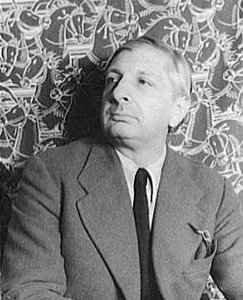
Giorgio De Chirico
1888 - 1978 , Kreeka
Lühikest infot
- Artistic Movement Or Style: Metafüüsiline kunst
- Artists Who Influenced This Artist:
- Arnold Böcklin
- Max Klinger
- Friedrich Nietzsche
- Date Of Birth: 10. mai 1888
- Date Of Death: 20. novembril 1978
- Full Name: Giorgio de Chirico
- Nationality: Itaalia
- Notable Artworks:
- Väsimuse mõistatus
- Talvepäev õhtul
- Armastuselu
- Place Of Birth: Volos, Kreeka
Sarnased artiklid

Metaphysical Art in Luxury Hospitality: Elevating Professional Spaces with Surrealist Depth and Sophistication
Transform luxury hospitality spaces with the surreal depth of Metaphysical Art. APS provides professional designers with high-volume, hand-painted oil reproductions, custom murals, and seamless bulk procurement solutions. Trust our reliable global logistics for your next project.


