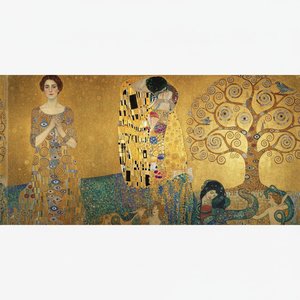
1903. Õlimaal kangaruumil, 100.0 x 100.0 cm.

§ 1Kataloogandmed

- 100.0 x 100.0 cm


§ 2Abstraktne
Kogumisobjekti kirjeldus
Explore Gustav Klimt’s ‘Pear Tree’ (1903). A vibrant Art Nouveau masterpiece filled with symbolic fruit & intricate detail. Oil on canvas – a stunning collector's piece!
 Loe lähemalt
Kunstniku elulugu
Avasta Gustav Klimt (1862-1918), Viini Art Nouveau ja Sümbolismi meister! Tutvu tema ikooniliste teostega nagu *The Kiss* ning naisekeha kujutustega, mis ühendavad sensuaalsust ja kuldaegset elegantsi.
§ 3Kommentaar
A Symphony of Abundance: Exploring Klimt’s “Pear Tree”
Gustav Klimt's 1903 painting, *Pear Tree*, is far more than a simple depiction of fruit-laden branches. It’s an immersive experience—a vibrant exploration of nature’s bounty rendered with the artist’s signature blend of realism and decorative flourish. Measuring 100 x 100 cm and executed in oil on canvas, this work encapsulates Klimt's pivotal role within the Art Nouveau movement and offers a compelling glimpse into his artistic vision.Style & Technique: A Mosaic of Color and Texture
Klimt masterfully employs an almost mosaic-like technique in *Pear Tree*. Short, broken brushstrokes build up layers of intense color – predominantly yellows, oranges, and greens – creating a richly textured surface that seems to vibrate with life. The dark, nearly black background serves not as emptiness but as a dramatic foil, intensifying the luminosity of the fruit. While rooted in observation, Klimt doesn’t strive for photographic accuracy; instead, he *stylizes* nature, emphasizing pattern and decorative elements characteristic of Art Nouveau. This approach moves beyond mere representation towards an emotional expression of abundance.Symbolism & Interpretation: Beyond the Orchard
The pear tree itself is a potent symbol, traditionally representing fertility, prosperity, and even temptation. Klimt complicates this symbolism by intermingling pears with apples and oranges – a deliberate mixing of species that suggests a broader celebration of nature’s diversity and perhaps an artistic commentary on blending realities. The close-up composition forces the viewer into the heart of the orchard, creating a sense of being enveloped by the tree's generous yield. This intimacy invites contemplation about themes of growth, sustenance, and the cyclical rhythms of life.Historical Context: Vienna Secession & Artistic Innovation
*Pear Tree* emerged during Klimt’s active participation in the Vienna Secession, a movement that rebelled against the conservative artistic establishment of Austria. The Secessionists championed innovation, experimentation, and a holistic approach to art – integrating painting, architecture, and design. Klimt's work, including this piece, embodies these ideals through its rejection of traditional academic styles and embrace of decorative elements and symbolic content. His paintings were often exhibited in the Secession Building, designed as a temple for modern art.Emotional Impact & Legacy: A Feeling of Intense Vitality
The painting evokes a powerful emotional response. While visually appealing, there’s an underlying intensity to *Pear Tree*. The density of the foliage and the overwhelming abundance of fruit can create a feeling of both delight and slight claustrophobia – a sense of being immersed in something overwhelmingly vital. This duality is characteristic of Klimt's work, which often explores complex psychological states beneath beautiful surfaces.Collecting & Reproduction
AllPaintingsStore.com offers meticulously crafted, handmade oil painting reproductions of Gustav Klimt’s *Pear Tree*, allowing you to experience the beauty and emotional depth of this masterpiece in your own space. These high-quality reproductions capture the vibrant colors and intricate textures that define Klimt's unique style.- Gustav Klimt: A leading figure of the Art Nouveau movement, renowned for his decorative style and symbolic imagery.
- Art Nouveau: An international art movement characterized by organic forms, flowing lines, and a celebration of nature.
- Vienna Secession: An Austrian artistic movement that challenged traditional academic styles and embraced innovation.
Korduvad küsimused
Millist atmosfääri toob ruumi „Pear Tree“, autor Gustav Klimt reproduktsioon?
Olles meeleoluult Müstiline, sobib teos "Pear Tree" suurepäraselt ruumiks Elutuba.
Kes lõi teose "Pear Tree" ja millal?
Teose "Pear Tree" autor on Gustav Klimt ja selle loomisaeg on 1903.
Millist kasutusviisi ja ruumi on „Pear Tree“, autor Gustav Klimt jaoks soovitatav?
Teost "Pear Tree" on soovitatav kasutada Kinnisitus jaoks ning selleks soovitellav ruum on Elutuba.


 Lülita trükkitoodetele


 Kunstiteoste või reproduktsioonide puhul, mille üks külg on üle 105 cm (umbikmolt 41 tolli), saadetakse raam kirjal asendis, la Dismantlitud komplektina. See meetod tagab ohutuse kohaletoimetamisel ja väldib transpordil tekkivaid kahjustusi.