

Akrüül võimlusel.

§ 1Kataloogandmed


§ 2Abstraktne
Kogumisobjekti kirjeldus
Explore Henri Matisse's vibrant "Dinner Table" (1897), a pivotal work foreshadowing Fauvism. Discover its bold colors, expressive brushstrokes & revolutionary approach to capturing everyday life. A masterpiece of modern art.
 Loe lähemalt
Kunstniku elulugu
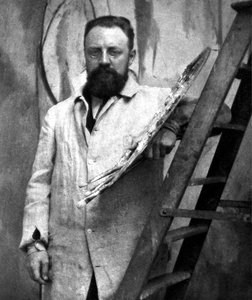
Henri Matisse (1869–1954) – fovismi värvide meister! Avasta tema ikoonilisi maaliprojekte, lõike-paberikollaaže ja mõju modernismile. Prantsuse kunstniku looming on täis värvi, harmooniat ja rõõmu.
§ 3Kommentaar
Dinner Table by Henri Matisse
Henri Matisse’s “Dinner Table,” painted in 1897 during his formative years as an artist, stands as a cornerstone of Fauvist art and a testament to his pioneering approach to color and composition. More than just a depiction of a domestic scene—a woman preparing a meal amidst vibrant fruits and tableware—the painting embodies Matisse’s revolutionary vision for capturing the essence of experience through bold chromatic intensity. It resides in a private collection, offering rare insight into an early masterpiece of this influential movement.- Style: Fauvist – Matisse rejected Impressionism's focus on optical realism, opting instead for expressive color as its primary vehicle. This radical departure from convention marked the genesis of Fauvism, which sought to liberate color from naturalistic representation.
- Technique: Employing oil paint on canvas, Matisse utilized thick brushstrokes—a hallmark of Fauvist style—to build up layers of pigment and create a palpable sense of texture. The artist’s deliberate disregard for blending colors resulted in striking juxtapositions that commanded immediate visual attention.
- Historical Context: Painted at the cusp of the 20th century, “Dinner Table” reflects the broader artistic ferment of its time—the challenge to established norms and the embrace of subjective perception. It aligns perfectly with the broader Post-Impressionist movement, which sought to explore new expressive possibilities beyond mere imitation of nature.
- Symbolism: The fruits scattered across the tabletop symbolize abundance and nourishment—references to both physical sustenance and spiritual fulfillment. Similarly, the tableware represents ritual and tradition, anchoring the scene in a familiar domestic setting.
- Emotional Impact: “Dinner Table” evokes feelings of tranquility, warmth, and joy—a celebration of everyday life and human relationships. Matisse’s ability to distill complex emotions into a single image underscores his enduring legacy as one of the most influential artists of the modern era.
Korduvad küsimused
Milline on teose "Dinner Table" atmosfäär?
Teose „Dinner Table“, autor Henri Matis meeleolu on kirjeldatud kui Rahustav. See klassifikatsioon võib aidata leida teosele sobiva sisekujunduse.
Kuhu kohta on teose "Dinner Table" Horisontaalne suund formaat soovitatav paigutada?
Olles vormilt Horisontaalne suund, on teose "Dinner Table" reproduktsiooni soovitatud kasutada ruumis Elutuba.
Millest on teos "Dinner Table" valmistatud?
Teose "Dinner Table" loomisel kasutas Henri Matis Akrüül võimlusel tehnikat. See tehnika määrab originaalteose materjalilise olemuse.


 Lülita trükkitoodetele


 Kunstiteoste või reproduktsioonide puhul, mille üks külg on üle 105 cm (umbikmolt 41 tolli), saadetakse raam kirjal asendis, la Dismantlitud komplektina. See meetod tagab ohutuse kohaletoimetamisel ja väldib transpordil tekkivaid kahjustusi.


