

- Avaleht

- Õlimaalireproduktsioon
- herbert william garratt
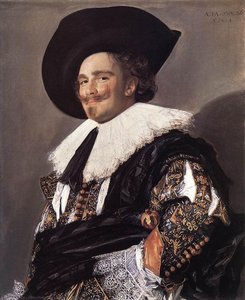
- Cavalier (recto)

 Telli trükis Osta digipilt
 Saada
Saada
 Jaga
Jaga
 Teave teose kohta
 Lisa lemmikutesse

 Laadi alla
 Sarnased teosed
 Röntgenuuring
 Slaidietendus
Cavalier (recto)
 1890
1890 28.0 x 26.0 cm
 Loe lähemalt
Käsitsi valmistatud õlimaalireproduktsioon
Meie kunstnike poolt tellimusel valmistatud käsitsi maalitud õli-kainaste teos teie soovitud suuruses ja raamis.




































Vali meie eelmääratud suurused, mis vastavad teose algupärastele proportsioonidele.

Sa võite sisestada oma mõõtmed konkreetse raami või ruumi sobivuse tagamiseks. Kui teie valitud suurus ei vasta originaalpildi proportsioonidele, siis kärvime kunstiteost või laiendame maali täiendavate käsitsi maalitud elementidega. Enne tootmise algust saadetakse teile heakskiitmiseks digitaalne eelvaade.
Palun pidage meeles, et ekraanil kuvatav eelvaade ei kajasta tegelikku kärpimist või laiendamist. Ainult eelvaade näitab täpselt lõplikku kompositsiooni.
Kuigi on saadaval kohandatud suurused, soovitame originaalproportsioonide säilimiseks valida mõõdud eelmääratletud nimekirjast.
Pärast tellimust saadab AllPaintingsStore.com meeskond kliendile e-posti juhised ning esitab eelvaate kavandi.
Maailmline tarne 3–4 nädala jooksul tavalise 5 nädala asemel. (20 juuli). Kvaliteedis kompromisse ei tehta.

Tasuta ekspresssaatmine üle maailma

Kõrgekvaliteediline linakangas

Täielik transpordikindlustus

Tollimaksude tagastamise garantii

Värvitoime täpsuse garantii

60-päevane tagastusõig: ainult tootmisdefektide korral

100% raha tagasi garantii

Hulgusoodustus
 Klaasivalik on saadaval ainult suuruses kuni 110 cm

Cavalier (recto)
Reproduktsiooni tehnika
Reproduktsiooni suurus
-


Kogusumma
-
Sarnased teosed


Kunstniku elulugu
Herbert William Garratt (1864–1913): Pioneer of Articulated Locomotives and Atmospheric Landscape Painting
Herbert William Garratt stands as a singular figure in the annals of British engineering and art, simultaneously celebrated for his groundbreaking invention – the Garratt locomotive – and for his evocative depictions of coastal landscapes imbued with atmospheric light. Born in Hackney, London, on June 8th, 1864, Garratt’s life intersected with both technological innovation and artistic expression in ways that continue to fascinate historians and art enthusiasts alike.
- Early Life & Education: Garratt received his initial education at St Mary Magdalene Grammar School, Hackney. He pursued further studies at King's College London, gaining a Bachelor of Science degree in Mechanical Engineering in 1886. This academic foundation would prove crucial to his later pursuits in both engineering and artistic endeavor.
- Engineering Career: Garratt began his professional career as an apprentice at Bow Locomotive Works under John Carter Park, honing his skills in locomotive design and construction. He subsequently worked for Doxford’s marine engineering works, gaining experience in shipbuilding and naval architecture. His meticulous attention to detail and inventive spirit quickly distinguished him from his peers.
- The Garratt Locomotive: Garratt's most enduring legacy rests upon his invention of the Garratt locomotive system – a revolutionary design featuring articulated bogies that dramatically improved locomotive performance on challenging terrain. Collaborating closely with Samuel Jackson at Beyer Peacock & Company, he spearheaded the development of this innovative engine type, which quickly gained prominence across Europe and beyond.
- Artistic Pursuits: Beyond his engineering achievements, Garratt possessed a passion for landscape painting, particularly coastal scenes illuminated by dramatic atmospheric conditions. His canvases captured the essence of British seaside vistas with remarkable precision and sensitivity, reflecting his profound appreciation for the beauty of nature.
- Legacy & Recognition: Garratt’s contributions to both engineering and art cemented his place as a visionary innovator who transcended disciplinary boundaries. He was elected Fellow of the Institution of Mechanical Engineers in 1902, recognizing his distinguished career in engineering. His work continues to inspire artists and engineers alike, demonstrating the power of creativity and ingenuity to shape our understanding of the world.
Garratt’s artistic style—characterized by meticulous brushwork and a masterful command of light—was heavily influenced by Impressionism, particularly the techniques pioneered by Claude Monet and Frederic Church. He sought to convey not merely visual appearances but also emotional responses to the grandeur and subtlety of coastal landscapes.
- Monet’s Influence: Garratt admired Monet's ability to capture fleeting moments of light and color, mirroring the Impressionist preoccupation with capturing the ephemeral qualities of nature.
- Church’s Visionary Landscape Painting: Garratt was captivated by Frederic Church’s monumental landscapes—particularly *Heart of the Andes*—which conveyed a sense of sublime grandeur and spiritual contemplation.
Garratt's paintings exemplify his belief that art should strive to capture not just what is seen but also what is felt – mirroring the core tenets of Impressionist philosophy.
Further Research: Resources:** Explore Garratt’s work at The Herbert Art Gallery & Museum in Coventry, UK. Visit Haworth Art Gallery for a comprehensive overview of his artistic achievements.
Lühikesed faktid
- Artistic Movement Or Style: Romantic Landscape
- Artists Or Movements Influenced By This Artist: ['Beyer Peacock']
- Artists Who Influenced This Artist: ['Samuel Jackson']
- Date Of Birth: 8 June 1864
- Date Of Death: 25 September 1913
- Full Name: Herbert William Garratt
- Nationality: British
- Notable Artworks: ['Ship in a Stormy Sea']
- Place Of Birth: London, England



