


 Eelvaade
 Saada
Saada Jaga
Jaga
 Teave teose kohta

 Laadi alla
 Sarnased teosed
 Röntgenuuring
 Slaidietendus
Flowers
 Lyrical Abstraction
 32.0 x 25.0 cm
 Loe lähemalt
Giclée / Kunstiprint
Muuseumikvaliteediga giclée- või kangasprint kiire tootmisega ja paindlikud viimistlusvõimalused. ( Osta käsitsi maalitud maal Osta pilt)




































Vali meie eelmääratud suurused, mis vastavad teose algupärastele proportsioonidele.

Saate sisestada oma mõõdud, et need sobiks konkreetse raami või ruumi sisse. Kui valitud suurus ei vasta originaalteose proportsioonidele, lõigame teose ära või laiendame pilti peegeldatud või ühtlase servaga. Enne tootmisprotsessi algust saadetakse Teie kinnitamiseks digitaalne näidis.
Palun märka, et ekraanil kuvatav eelvaade ei kajasta tegelikku lõigamist või laiendamist. Ainult näidis kujutab täpselt lõplikku kompositsiooni.
Kuigi erimõõdu on saadaval, soovitame originaaproportsioonide säilitamiseks valida mõõt ette määratud nimekirjast.
Ülemaailmne tarne () 2 nädala jooksul, tavalise 4/5 nädala asemel. (18 august)

Tasuta ekspresssaatmine üle maailma

Kõrgekvaliteediline linakangas

Täielik transpordikindlustus

Tollimaksude tagastamise garantii

Värvitoime täpsuse garantii

60-päevane tagastusõig: ainult tootmisdefektide korral

100% raha tagasi garantii

Hulgusoodustus
 Klaasivalik on saadaval ainult suuruses kuni 110 cm

Flowers
Giclée / Kunstiprint
Reproduktsiooni suurus
-


Kogusumma
$ 64
Sarnased teosed
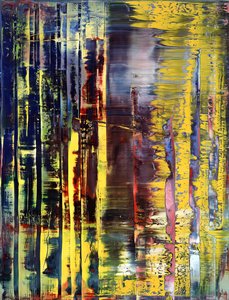
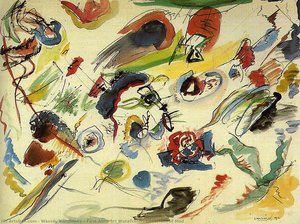


![Abstract Composition [triptych] — Vaclav Vytlacil, Abstract Expressionism](/media/artworks/images/thumbnails/e5/3d/e53db42ea02644b9a8e722f9d4dd3742.jpg)


Kunstniku elulugu
The Romanian Genesis and a Parisian Metamorphosis
Born amidst the rich traditions of a Jewish family in Piatra Neamț, the early life of Jacques Hérold was anchored in the vibrant, salt-tinged atmosphere of Galați. This Romanian port city, pulsating with the energy of trade and cultural exchange, provided the foundational backdrop for an artist whose destiny would eventually reshape the avant-garde landscape. After pursuing his initial studies at the School of Fine Arts in Bucharest, a profound transformation beckoned from the West. In 1930, Hérold embarked on a journey to Paris, a move accompanied by a daring act of self-reinvention; using a borrowed identity, he shed his birth name, Herold Blumer, to adopt the persona of Jacques Hérold. This metamorphosis was more than mere nomenclature; it was an entry into the very heart of European modernism, where the boundaries of reality and imagination were being perpetually redrawn.Surrealist Echoes and the Shadow of Brâncuși
Upon settling in Paris, Hérold’s artistic trajectory became inextricably linked with the Surrealist movement. Through the influence of Yves Tanguy, he found his way into the inner sanctum of André Breton’s group, a circle dedicated to exploring the labyrinthine depths of the subconscious and the power of dreamlike imagery. However, perhaps no connection was as formative as his intimate relationship with the legendary sculptor Constantin Brâncuși. Hérold did not merely admire the master; he lived within his orbit, serving as both a secretary and a chef. This proximity allowed him to absorb Brâncuși’s profound understanding of form, materiality, and the essential spirit of the object. The echoes of this sculptural influence can be felt in the structural tensions of his early works, where the surrealist fascination with the uncanny meets a deep, tactile reverence for the medium itself.The Evolution into Lyrical Abstraction
As the mid-century approached, Hérold’s creative spirit underwent another radical evolution. Moving away from the symbolic enigmas of Surrealism, he began to embrace the visceral, spontaneous energy of Tachisme and Lyrical Abstraction. His canvases transformed into emotive landscapes where the rigid boundaries of representation dissolved into textured surfaces and rhythmic, spontaneous brushstrokes. This period marked a shift toward prioritizing emotional resonance over representational accuracy, allowing him to communicate through pure color and movement. Beyond the canvas, his versatility shone through his celebrated work as an illustrator, contributing evocative artwork to more than eighty books. His enduring legacy is cemented by prestigious recognitions, including the Copley Foundation Prize and landmark exhibitions at the Tate Gallery and the Venice Biennale. Through his transition from the dreamscapes of Surrealism to the raw energy of abstraction, Jacques Hérold remains a singular, transformative force in the history of modern art.
jacques hérold
1910 - 1987 , Romania
Lühikesed faktid
- Artistic Movement Or Style: Surrealist Painter; Lyrical Abstraction; Tachisme
- Artists Or Movements Influenced By This Artist: ['Breton']
- Artists Who Influenced This Artist: ['Constantin Brâncuși']
- Date Of Birth: 10 October 1910
- Date Of Death: 11 January 1987
- Full Name: Jacques Hérold
- Nationality: Romanian
- Notable Artworks:
- Rimbaud’s Tie
- Composition
- Flowers
- Place Of Birth: Piatra Neamt, Romania



