


 Vaata sisu
 Jaga teost
 Jaga
Jaga
 Detailid
 Õppekate juhend

 Laadi alla
 Sarnased teosed
 Röntgenuuring
 Slaidietendus
 Statistika
Acacia

 Loe lähemalt
Käsitsi valmistatud õlimaalireproduktsioon
Meie kunstnike poolt tellimusel valmistatud käsitsi maalitud õli-kainaste teos teie soovitud suuruses ja raamis. ( Lülita trükkitoodetele Ülemineku digitaalse pildi müügi kanalisse)




P118B €10

P118H €10

P118W €10

P438Z €10

P508JH €12

P508YH €12

P805H €10

P805Z €10

P919BZ €10

P919G €10

P919XJ €10

P959ZH €10

P968JZ €12

W106C €8

W218G €10

W218JH €8

W218Y €10

W307PJ €10

W316G €10

W316PJ €8

W316Y €10

W398PJ €8

W4111J €10

W500HY €15

W500JH €15

W692G €12

W849H €8

W940BG €15

W953PJ €8




Vali meie eelmääratud suurused, mis vastavad teose algupärastele proportsioonidele.

Sisestage vajalik laius ja kõrgus, et teos sobiks teie raamile või seinale. Kuna tegu on käsipainatud teosega, siis erineva kujuga suuruse korral võib kunstnik jätta pildi ümber veidi rohkem marginaali või lõigata osa ära — valik on teie. Enne maali alustamist saadame teile kinnitamiseks digitaalse näidisprojektsiooni. Sellel lehel näidatud pilt ei kajasta tegelikku tulemust — seda näitab ainult näidisprojekttsioon.
Pärast tellimust saadab AllPaintingsStore.com meeskond kliendile e-posti juhised ning esitab eelvaate kavandi
Maailmline tarne 3–4 nädala jooksul tavalise 5 nädala asemel. (22 oktoober). Kvaliteedis kompromisse ei tehta.

Tasuta ekspresssaatmine üle maailma

Kõrgekvaliteediline lina-kangastest muld

Täielik transpordikindlustus

Tollimaksude tagastamise garantii

Värvitoime täpsuse garantii

100 päeva tagastusõigus (ainult defektide korral)

100% raha tagasi garantii

Hulgusoodustus
 Klaasivalik on saadaval ainult kuni 110 cm suuruses teostes

Acacia
Reproduktsiooni materjal
Reproduktsiooni mõõtmed
-


Lõppsumma
€ 226
A Winter’s Reverie: Decoding James Ensor's ‘Acacia’
Acacia, a hauntingly beautiful etching by Belgian master James Ensor, transports viewers to a desolate winter landscape steeped in atmosphere and symbolic weight. This monochromatic work is not merely a depiction of nature; it’s an exploration of time, decay, and the enduring power of memory – themes central to Ensor's complex artistic vision.Subject & Composition: A Dialogue Between Nature and Ruin
The composition centers around a stark, bare tree—an *acacia*, presumably—that dominates the foreground. Its skeletal branches reach upwards, mirroring the verticality of a crumbling stone tower or ruin visible in the distance. This architectural fragment, partially obscured by distant trees and a hazy horizon, suggests a forgotten past. The arrangement isn’t one of idyllic harmony but rather a poignant juxtaposition: nature asserting its presence alongside the remnants of human endeavor. Ensor masterfully uses linear perspective to create depth, though it's subtly flattened – characteristic of etching as a medium – drawing the eye into the scene while maintaining an intriguing sense of ambiguity.Technique & Style: The Etched Soul of Romanticism
Ensor’s technique is exemplary. He employs etching—a process involving acid to create lines on a metal plate—to build up texture and tonal range. Notice the meticulous hatching and cross-hatching used to render the rough bark of the tree and the weathered stonework of the tower. These techniques aren't simply descriptive; they contribute significantly to the artwork’s emotional impact, evoking a sense of fragility and age. The style leans heavily into late 19th-century Romanticism and Symbolism. While not striving for photographic realism, Ensor prioritizes atmospheric effect and emotional resonance. The lines themselves are expressive, carrying the weight of solitude and melancholy.Historical Context: An Artist Ahead of His Time
Born in Ostend, Belgium in 1860, James Ensor was a pivotal figure bridging the gap between Impressionism and Expressionism. He rejected academic conventions early on, developing a highly personal style that often incorporated unsettling imagery – masks, skeletons, carnivals – to explore themes of human alienation and societal critique. While Acacia doesn’t feature these overtly jarring elements, it shares Ensor's characteristic preoccupation with mortality and the passage of time. His work profoundly influenced later movements like Surrealism, establishing him as a true visionary.Symbolism & Emotional Impact: Echoes of Loss and Remembrance
The symbolism within Acacia is layered and open to interpretation. The bare tree can represent both death and resilience—a stark reminder of winter’s harshness but also a promise of eventual renewal. The crumbling tower speaks to the impermanence of human creations, the inevitable decay that time inflicts upon all things. The overall mood is one of quiet contemplation, evoking feelings of solitude, nostalgia, and perhaps even a gentle sadness. It's an artwork that invites introspection, prompting viewers to reflect on their own relationship with memory, loss, and the enduring beauty of the natural world.Collecting & Interior Design: A Timeless Addition
- For Collectors: An original etching by James Ensor is a significant investment, representing a cornerstone of Belgian art history.
- For Interior Designers: The monochromatic palette and evocative subject matter make Acacia incredibly versatile. It would complement a range of interior styles – from traditional to contemporary – adding depth and sophistication to any space. Its subdued tones work particularly well in studies, libraries, or bedrooms, creating a calming and contemplative atmosphere.
- Reproductions: High-quality reproductions capture the intricate detail of Ensor’s etching technique, offering an accessible way to bring this masterpiece into your home.
Küsimused ja vastused
Kust James Ensor korduvad teemad Acacia kohta peegeldavad?
James Ensor korduvad teemad hõlmavad romantic gloom & despair, belgian symbolism's impact, whistler's tonal influence, masked figures, hidden fears, social critique – unseen", exploring inner turmoil, recurring bleak landscapes"; teos "Acacia" keskendub winter landscape, bare tree silhouette, decay and ruin, solitude & melancholy, atmospheric perspective, monochromatic print, symbolic imagery.
Millisesse ruumi on teose „Acacia“, autor James Ensor värvide tõttu soovituslik paigutada?
Teose „Acacia“, autor James Ensor Neutrals toonid sobivad suurepäraselt selle soovituslikule ruumile: Living Room.
Kui intensiivsed on värvid teoses „Acacia“, autor James Ensor?
Teose „Acacia“, autor James Ensor värvid on Balanced intensiivsusega.
Sarnased teosed


Kunstniku elulugu
James Ensor: A Pioneer of Modernism
James Sidney Edouard, Baron Ensor (Ostend, 13 April 1860 – 19 November 1949) was a Flemish-Belgian painter and printmaker, an important influence on expressionism and surrealism who lived in Ostend for almost his entire life. He was associated with the artistic group Les XX.
Early Life and Artistic Training
James Ensor’s father, James Frederic Ensor, born in Brussels to English parents, was a cultivated man who studied engineering in England and Germany. Ensor's mother, Maria Catharina Haegheman, was Belgian. Ensor himself lacked interest in academic study and left school at the age of fifteen to begin his artistic training with two local painters. From 1876, he attended drawing lessons at the College of the Blessed Virgin in Ostend.
The Impressionist Influence and Initial Works
Ensor’s early paintings reflected a more traditional approach, depicting scenes of everyday life rendered in somber tones. Works like *Russian Music* (1881) and *The Drunkards* (1883) reveal a nascent talent grappling with realism, but even within these early pieces, hints of the unsettling imagery to come are present. A pivotal shift occurred as Ensor’s palette brightened and his subject matter grew increasingly bizarre. He began to populate his canvases with carnivals, skeletons, puppets, and allegorical figures—a world steeped in fantasy and often bordering on the grotesque. This wasn't merely a stylistic change; it was a deliberate exploration of the darker aspects of human existence, a rejection of societal norms, and an embrace of the irrational.
Les XX and Artistic Innovation
In 1883 Ensor, along with a few older students of the Brussels‘ academy, would take leave of the artists‘ association *L'Essor*. They established the artists‘ association* Les Vingt*. This will play an important role in the dissemination of various international *avant-garde* movements. Ensor’s father’s shop in Ostend was a main purveyor of carnival paraphernalia, and this fascination would permeate his artwork.
Major Paintings and Recurring Themes
Throughout his career, Ensor produced a series of works that continue to shock and fascinate audiences today. *The Scandalized Masks* (1883) stands as an early testament to his fascination with the power of disguise and its ability to reveal hidden emotions. Perhaps his most controversial work, *Christ’s Entry into Brussels* (1888-1889), remains a powerful satire of religious hypocrisy and societal indifference—a painting initially met with harsh criticism but now celebrated as a masterpiece. The unsettling image of Christ entering a city teeming with grotesque masked figures is a potent commentary on the disconnect between spiritual ideals and human behavior.
Legacy and Influence
James Ensor was recognized as a pivotal figure in the transition from 19th-century Symbolism to early 20th-century Expressionism and Surrealism—a true pioneer of modern art. His fearless exploration of the subconscious, his embrace of grotesque imagery, and his rejection of academic conventions paved the way for future generations of artists who dared to challenge artistic norms. He is remembered as a visionary artist whose uncompromising vision continues to inspire contemplation and debate.
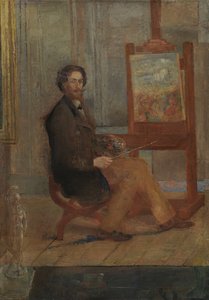
James Ensor
1860 - 1949 , Belgium
Lühikest infot
- Artistic Movement Or Style: Expressionism, Surrealism
- Artists Who Influenced This Artist:
- Bruegel the Elder
- Francisco Goya
- Whistler
- Date Of Birth: April 13, 1860
- Date Of Death: November 19, 1949
- Full Name: James Sidney Edouard Ensor
- Nationality: Belgian
- Notable Artworks:
- The Scandalized Masks
- Skeletons Fighting...
- Christ's Entry into Brussels
- Place Of Birth: Ostend, Belgium
Sarnased artiklid
Sir Alfred Munnings' Masterpieces: 25 Paintings That Define Equine Art | AllPaintingsStore
Explore 25 iconic Sir Alfred Munnings paintings! Discover the beauty of British Impressionism, equine art & rural England. Find museum-quality reproductions and elevate your home decor with AllPaintingsStore. Explore the full collection online.
Etching Masters: 10 Legendary Prints That Revolutionized Art | AllPaintingsStore
Journey through 10 legendary etching masterpieces by Rembrandt, Dürer & Goya. Explore the history of printmaking and discover timeless art for your home. Find museum-quality reproductions at AllPaintingsStore.com.

Etching: A Historical Survey of Technique, Aesthetic Qualities & Enduring Artistic Significance
Explore the rich history of etching, from its origins to Rembrandt's masterful innovations. Discover the technique, aesthetic qualities & enduring legacy of this captivating art form. Expert insights for collectors and enthusiasts.
James Abbott McNeill Whistler: 25 meistriteost kunstikollektsioonis | AllPaintingsStore.com
Avastage James Abbott McNeill Whistler'i 25 võrratut meistriteost! Sukelduge esteetilisse kunstimaailma, õppige tema maalitehnikatest ja leidke täiuslik seina kaunistus AllPaintingsStore.com-ist. Kunstikollektsioonid & reprodutsioonid.

Hokusai's Masterpieces: 25 Iconic Prints & Paintings for Art Lovers | AllPaintingsStore
Journey through Katsushika Hokusai’s 25 most iconic artworks, including *The Great Wave*. Explore the ukiyo-e master's history, style & timeless Japanese woodblock prints. Find museum-quality reproductions for your home at AllPaintingsStore.com.


