


 Eelvaade
 Saada
Saada Jaga
Jaga
 Teave teose kohta
 Juhend

 Laadi alla
 Sarnased teosed
 Röntgenuuring
 Slaidietendus
 KÜSIMUSED JA VASTUSID
 Statistika
Apples


 Loe lähemalt
Hankige trükiivaldatav fail, mis on kvaliteedilt palju parem kui veebilehel näidatud eelvaade. Kõik meie müüdavad digitaalsed pildid pärinevad meie arhiivist kõrge resolutsiooniga originaalfailidest — tavaliselt 5000 kuni 15 000 pikslit laiust — nii et saate julgelt trükida suurematsat, lüüdist teha või detailset sisu reproduktsiooni teha.
Meie stuudiost ei lahtu ükski fail puutumatuna. Digiekpert võrdleb värve algsest maalistimusega ja vajadusel korrigeerib neid, seejärel parandab selgust ja detaile professionaalsete retušimisvahendite abil — püüdes alati jääda truudeks kunstniku pintoonile ja stiilile. Tulemuseks on pilt, mis näeb välja nagu maali, mitte nagu filtreeritud skann.
Teet kinnituse enne lõplikku valmimist: meie ekspert saadab pildi 72 tunni jooksul e-posti ülevaatamiseks. Ei ole rahul? Paluge parandusi või korrektsioone ning kui kvaliteet ei vasta ootustele, võite paluda tagastamist.
See on kvaliteet, millele tuguvad väljaandjad, disainistuudiod, galeriid ja trükikojad.
Digitaalne kunstiteos
Laadi alla kõrge resolutsiooniga fail isiklikuks vaatamiseks, trükkimiseks ja loomingulisteks projektideks. ( Lülita trükkitoodetele Osta käsitsi maalatud teos)
Sisse kuulub iga digitaalse pildi tellimusega
Eksperdi digitaalne kohaletoimetamine, garanteeritud
Valides AllPaintingsStore.com, ei saa sa lihtsalt pilti – saad professionaalselt parandatud digitaalse teose, mida on valmistatud täpsusega ja mis on toetatud rahuldamatusgarantiiga. Siin on kõik, mis sinu tellimusega automaatselt kaasneb:

Kiire digitaalne edastus
Teie kõrge resolutsiooniga digitaalne pildifail saadetakse teile e-posti 72 tunni jooksul pärast tellimist – kohe kasutamiseks valmis.

Tehisintellektiga täiustatud digitaalne fail
Teie teos on professionaalselt optimeeritud arenenud tehisintellekti tööriistade ja käsitsi redigeerimise abil, tagades maksimaalse detailitaseme, selguse ja värvitäpsuse.

Tasuta eluaegne uuesti saatmine
Kas kustutasid faili kogukalu unustamisel või kustutamisel? Puudub mure – saad selle uuesti igal ajal ilma lisatasuta.

Puuduvad importimaksud – alati
Nautige oma teoseid koheselt ilma tolli-, maksude või tarnimaskuludeta – digiletchargused on alati maksuvabadud.

Värvitäpsuse garantii
Me tagame, et teie digitaalne pilt kajastaks originaali värve professionaalsete tööriistade ja värvihalduse abil võimalikult täpselt.

100 päeva rahuldamatuse garantii
Kui te ei ole oma digitaalse pildi eest rahul, siis me parandame seda või tagastame 100% summast 100 päeva jooksul – küsimusteta.

100% raha tagastamise garantii
Ei ole rahul? Saate täielise tagastaja 100 päeva jooksul pärast digitaalse faili kättesaamist – ilma küsimusteta.

Suurema tellimuse soodustused
Osta 3 pilti, säästa 10% - Osta 5, säästa 15% - Osta 10+, säästa 20%. Sobib suurepäraselt loomingulisteks projektideks, galeriideks ja agentuurideks.
A Quiet Abundance: Exploring James Ensor’s “Apples”
This still life, simply titled “Apples,” offers a glimpse into James Ensor's often-overlooked explorations beyond his more famous grotesque and satirical works. While known for challenging artistic conventions, Ensor also possessed a keen eye for the beauty of everyday objects, as evidenced in this intimate depiction of fruit arranged on a table. The painting features a collection of apples – alongside oranges and bananas – scattered with casual abundance. A bowl suggests further bounty hidden from full view, while a solitary chair anchors the composition to a domestic setting.Style & Technique: Impressionistic Touches within Symbolist Framework
Though Ensor is firmly placed within the Symbolist movement, “Apples” reveals subtle influences of Impressionism in its handling of light and color. The brushwork isn’t overtly expressive, but it's loose enough to capture the sheen on the fruit and suggest a sense of immediacy. Ensor’s technique here is characterized by a careful observation of form combined with a slightly muted palette, creating an atmosphere that feels both realistic and dreamlike. This contrasts sharply with the often-garish colors found in his more well-known pieces, like “The Fall of the Rebellious Angels.” He employs a relatively traditional oil painting technique, building up layers to achieve depth and texture, but always with a distinctive personal touch.Historical Context: A Moment of Repose
Created sometime during Ensor’s prolific career (1860-1949), “Apples” stands as a quiet counterpoint to the turbulent social and political climate of late 19th and early 20th century Belgium. While Europe braced for war, and artistic movements like Expressionism began to emerge, Ensor occasionally retreated into these more intimate studies of still life. These works offer insight into his personal world and a respite from the anxieties that fueled much of his satirical output. He was moving away from direct social commentary at times, exploring instead the inherent beauty in simple subjects. His earlier training at the Académie Royale des Beaux-Arts provided him with a solid foundation in traditional techniques, which he then subverted and adapted to his unique vision.Symbolism & Interpretation: Beyond Simple Representation
While seemingly straightforward, even Ensor’s still lifes are imbued with potential symbolism. Apples themselves have long held symbolic weight – representing temptation, knowledge, and the fall of man in religious iconography. In this context, however, their meaning is more ambiguous. The presence of other fruits—oranges symbolizing prosperity and bananas hinting at exoticism—adds layers to the interpretation. The chair, often a symbol of absence or waiting, introduces a subtle melancholic note. It’s possible Ensor intended these elements not as explicit allegories but rather as evocative details that invite contemplation on themes of transience, abundance, and the beauty of fleeting moments.Emotional Impact & Aesthetic Appeal
“Apples” evokes a sense of peaceful domesticity and quiet contemplation. The composition is balanced and harmonious, creating a visually pleasing experience. The painting’s subdued colors and soft lighting contribute to its calming effect. For collectors and interior designers, this work offers versatility – it can seamlessly integrate into various settings, from traditional to contemporary spaces. Its understated elegance makes it an ideal piece for those seeking artwork that is both beautiful and intellectually stimulating. It's a reminder that even within the oeuvre of a radical artist like James Ensor, there exists a profound appreciation for the simple pleasures of life.Korduvad küsimused
Mis on teose „Apples“, autor James Ensor valgusus?
Teose "Apples" värvid näitavad Dark luminantsi.
Mis on teose „Apples“, autor James Ensor domineeriv värv?
Teose „Apples“, autor James Ensor domineeriv värv on Driftwood (#b8b25c).
Kas on õpilaste jaoks olemas infoleht teose „Apples“, autor James Ensor kohta?
Teose „Apples“, autor James Ensor Õppekasutusjuhend leht pakub trükkideletavat kahele lehele jaotatud infolehte: teose koos identifiekatsiooniga, ajajooni, mis asetab selle kunstniku eluajale, muid kunstniku teoseid, mõõdetud väripaletti ning neljas stiilis kopeerimiseks valmis allatlusi.
Sarnased teosed


Kunstniku elulugu
Varane elu, pere ja kunstiline haridus
James Ensor sündis 13. aprillil 1860 Belgias, Ostendis. Tema identiteeti kujendas spetsiifiline kultuuriline ristumiskoht: tema isa, James Frederic Ensor, oli sündinud Brüsselis inglise päritolu vanemate juures, samas kui tema ema, Maria Catherina Haegheman, oli belgialane. See topeltpärand pani aluse vaatenurgale, mis asus sageli kohaliku traditsiooni kitsaste piiride väljas. Kasvades elas kunstnik Ostendis oma vanemate hallata souvenirpoe seinade vahel. See keskkond ei olnud pelgalt elupaik, vaid kummaliste ja dekoratiivsete asjade hoidla. Pood oli täis merekooreid, karnevalimaske ja veeretavaid esemeid, mis pakkusid visuaalset sõnavara tema hilisemale loomingule.
Tema kunstiline ametikoolitus oli proovide ja eksimuste protsess. Enne akadeemia ranget keskkonda alustas ta oma kunstilist harjutamist kahe kohaliku maalari juures. See varane õpetus pakkus tehnilist alustala, mida ta hiljem manipuleeris ja moonutas. Aastatel 1877 kuni 1880 käis ta Brüsseli Académie Royale des Beaux-Arts ülikoolis. Isegi akadeemiliste seinade sees püsisid tema huvid eristuvana institutsiooni rangetest ootustest. Ta ei olnud status quo õpilane; ta oli Ostendis endi ümbritsevate esemete õpilane.
Tema kunstilise stiili evoluutioon
James Ensori algased teosed ei olnud veel täis seda psühholoogilist pingeid, mis iseloomustab tema küpismatust kunst. Teoslikus Russian Music (1881) ja The Drunkards (1883) töötas ta veel tõliskujulisel, realistlikul raamistikul, kus kompositsioonid tuganusid vaosustatud toonidele ja igapäevase elu traditsioonilistele esitustele. Need pildid paljastavad kunstniku, kes oli veel kinnitatud realismi raskele kohale, enne kui tema visuaalne keel läbis radikaalse muudatuse. Lõpuks loobis ta sellest piirangust, eelistades palettrit, mis muutus märkimisväärselt ergem, samas kui tema teemad liikusid üha kummalisemas suunas.
Suunamine groteski poole oli tingitud spetsiifilisest huvist maskide vastu. Ta oli lummatuses tema plastiliste vormide ja intensiivsete värvide vastu, mida leidis oma pere suvenipoest, kus riidasid karnevaalimaskid. Need esemed ei olnud pelgalt rekvisiidid, vaid said keskseks osaks tema esteetikale. Ta integreeris neid oma liblepiltides, et lisada stseenidele teatraalist kvaliteeti ja murda kodust atmosfääri. See liikumine irratsionaalse poole võimaldas tal ületada lihtsa esituse piirid ja astuda psühholoogilise pinge maailma.
- The Scandalized Masks (1883)
- The Oyster Eater (1882/1883)
- The Man of Sorrows (1891)
Olulised teosed ja peamised teemad
Ensori pidev keskendumine maskidele ja groteski maailmale loob otsese sidla kaasaegse ajastu psühholoogiliste pingete juurde. Teoses The Scandalized Masks (1883) väljenduslikud tema varajane huvi varjastamise jõu vastu nähti läbi karnevalistliku motiivi, mis pidi eemaldama ühiskondlikud eirad ja naaskid. See fascinatsioon teatraalsuse ja rahutava maailma vastu ei olnud pelgalt stiililine valik, vaid sügavam meetod identiteedi uurimiseks. Tema 1882. aasta teos The Oyster Eater demonstreerib tema oskust hallata valgust ja värvi teiselegi, esitledes tema õde Mitche'i stseenis, mis panees murtma Antwerpi Salongide konservatiivseid väärtushinnanguid. See maaliettevõte, mille tagasiajamine establishmenti poolt, rõhutab lõhkumist tema visiooni ja selleaaja rangete normide vahel.
Kunstniku liikumine veelgi aggressiivsemate ja ekspressiivsemate vormide poole on kõige selgemalt nähtav tema monumentaalsetes kompositsioonides. Christ's Entry Into Brussels (1888-1889) toimib XX sajandi ekspressionismi eeltulekina, kasutades kaotilist, eriti värvilist grotesksete figuuride rühmitust, et parodeerida modernset ühiskonda. Eksistentsiaalne võitlus on veelgi lõputult kättesaav The Man of Sorrows (1891) õli-toonilises teoses, kus Kristuse kannatused on ühendatud Jaapani Noh-teatri maski jarring-efektiga. Sellised teosed paljastavad mehe, kes kasutab religioosseid ja allegorilisi teemasid, et väljendada sügavat pettumust inimlikku käitumises ja ühiskondlikus ükskõlastuses.
Surm ja olemasolu absurdus jäävad tema loomingus keskseks teemaks. Skeletons Fighting over a Hanged Man (1891) kasutab luurangede figuure, et seisutada vaataja vastu lagunevuse ja surma vältimatut tegelikkust. Süsinud, kiusatuse ja välimuse habirikkuse korduvad motiivid tagavad, et tema kunst jääks edasasti uuringute võimsaks objekti. Tema võime sünteesida need tumedad ja sageli ebamugavad tõed ühtse visuaalse keeleks ongi see, mis määrab tema panuse modernismile üleminekus.
Kus tema teoseid täna näha saab
James Ensori kohalolu suurtes rahvusvahelistes kogendustes kinnitab tema püsivat mõju modernismi arendamisele. Antwerpis hoiab Antwerpi Kunsti Muuseum kaks olulist teost: Vaevatav mees ja Õisterõõmatu. Need teosed demonstreerivad kunstniku tehnilist laiust, kes suutis liiguda religioosest pingestusest kuni kodseks tuntud stseenideni. Tema mõju ulatub üle Atlantiku, kus New Yorki Moderni Kunstimuuseum säilitab teose Püha Antonii katsimused. See töö on jäänud esindavaks näidiseks tema üleminekust ebatavalise ja psühholoogilise maailma poole.
Tema piltide ulatus on globaalne. Los Angelesis asuv Getty Center hoiab endas Kristuse sissepõrkemine Brüsseli, massiivset kompositsiooni, mis püüab kinni tema kõige agressiivsemad sotsiaalsed kriitika. Samal ajal säilitab Fort Worthis Kimbell Art Museum teose Luurangud, kes end soojendavad. Need hajutatud asukohad tagavad, et tema visuaalne keel, mida iseloomustab keeldumine akadeemilistele normidele allbvõtmisest, jääb kättesaadavaks nii teadlastele kui ka kunstihuvilistele vaatlejatele üle kogu maailma.
- Vaevatav mees
- Õisterõõmatu
- Püha Antonii katsimused
- Kristuse sissepõrkemine Brüsseli
- Luurangud, kes end soojendavad
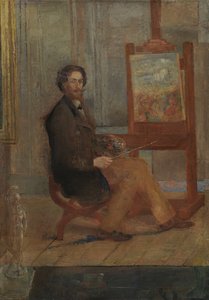
James Ensor
1860 - 1949 , Belgia
Lühikesed faktid
- Artistic Movement Or Style:
- Symbolism
- Ekspressionism
- Artists Or Movements Influenced By This Artist:
- Ekspressionism
- Surrealism
- Artists Who Influenced This Artist:
- Pieter Bruegel van den Eelde
- Francisco Goya
- James Abbott McNeill Whistler
- Date Of Birth: 1860
- Date Of Death: 1949
- Full Name: James Sidney Edouard Ensor
- Nationality: Belgia
- Notable Artworks:
- Kristuse sisenemine Brüsseli
- Vaevatuse mees
- Öysterisõnu
- Püha Antooni koletused
- Luurangud, kes võitlevad riiaudlase üle
- Place Of Birth: Ostend, Belgia