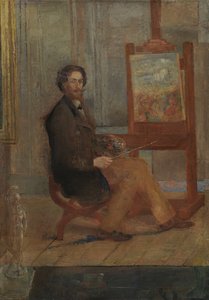
The Intrigue
Oil On Canvas
WallArt
Expressionist Symbolism
1890
19th Century
90.0 x 150.0 cm
Koninklijk Museum voor Schone Kunsten
Käsitsi valmistatud õlimaalireproduktsioon
Meie kunstnike poolt tellimusel valmistatud käsitsi maalitud õli-kainaste teos teie soovitud suuruses ja raamis. ( Lülita trükkitoodetele
Ülemineku digitaalse pildi müügi kanalisse)
P118B €10
P118H €10
P118W €10
P438Z €10
P508JH €12
P508YH €12
P805H €10
P805Z €10
P919BZ €10
P919G €10
P919XJ €10
P959ZH €10
P968JZ €12
W106C €8
W218G €10
W218JH €8
W218Y €10
W307PJ €10
W316G €10
W316PJ €8
W316Y €10
W398PJ €8
W4111J €10
W500HY €15
W500JH €15
W692G €12
W849H €8
W940BG €15
W953PJ €8
Vali meie eelmääratud suurused, mis vastavad teose algupärastele proportsioonidele.
Sa võite sisestada oma mõõtmed konkreetse raami või ruumi sobivuse tagamiseks. Kui teie valitud suurus ei vasta originaalpildi proportsioonidele, siis kärvime kunstiteost või laiendame maali täiendavate käsitsi maalitud elementidega. Enne tootmise algust saadetakse teile heakskiitmiseks digitaalne eelvaade.
Palun pidage meeles, et ekraanil kuvatav eelvaade ei kajasta tegelikku kärpimist või laiendamist. Ainult eelvaade näitab täpselt lõplikku kompositsiooni.
Kuigi on saadaval kohandatud suurused, soovitame originaalproportsioonide säilimiseks valida mõõdud eelmääratletud nimekirjast.
Pärast tellimust saadab AllPaintingsStore.com meeskond kliendile e-posti juhised ning esitab eelvaate kavandi
Maailmline tarne 3–4 nädala jooksul tavalise 5 nädala asemel. (7 oktoober). Kvaliteedis kompromisse ei tehta.
Tasuta ekspresssaatmine üle maailma
Kõrgekvaliteediline lina-kangastest muld
Täielik transpordikindlustus
Tollimaksude tagastamise garantii
Värvitoime täpsuse garantii
100 päeva tagastusõigus (ainult defektide korral)
100% raha tagasi garantii
Hulgusoodustus
The Intrigue
Reproduktsiooni materjal
Reproduktsiooni mõõtmed
-
Lõppsumma
€ 222
A Tableau of Shadows and Secrets
James Ensor’s The Intrigue, completed in 1890, stands as an unsettling and deeply captivating glimpse into the anxieties of its era. It is far more than a mere painting; it is a meticulously crafted tableau that continues to fascinate viewers with its enigmatic presence. Housed at the Koninklijk Museum voor Schone Kunsten in Antwerp, Belgium, this oil on canvas embodies Ensor’s signature ability to blend realism with profound symbolism. The scene presents a group of individuals, many adorned with painted faces and masks, gathered in what appears to be a social gathering or a theatrical performance. This assembly of figures, reminiscent of clowns or performers, creates an atmosphere of intense curiosity, inviting the observer to peer beneath the surface of their animated interactions.
The emotional weight of the piece is carried by its masterful use of light and shadow. Ensor employs a deliberate, almost monochromatic palette—primarily focusing on black and white—to amplify the dramatic tension inherent within the composition. This stark contrast draws the eye to every minute detail, from the subtly rendered facial expressions to the intricate textures achieved through thick, impasto brushstrokes. Such technique allows the artist to convey a palpable sense of unease and theatricality, mirroring the very essence of social convention and performance that permeates the scene.
The Mask of Society
Beyond its visual strikingness, The Intrigue serves as a powerful piece of social commentary. The recurring motif of masks and painted faces is not merely decorative; it represents the pervasive façade of societal roles and the pressure to conform to established norms. Through these disguises, Ensor explores themes of concealment and deception, suggesting that what we see on the surface is often a carefully constructed illusion. While the figures engage in lively movement, their hidden emotions and unspoken anxieties are betrayed by the subtle nuances of their expressions.
For the collector or the interior designer, this artwork offers a profound depth of character. It is a piece that demands contemplation, acting as a focal point that sparks conversation and invites deep psychological exploration. The interplay of light and the heavy, textured application of paint provide a tactile quality that makes a high-quality reproduction feel truly alive. Whether placed in a space dedicated to quiet reflection or as a bold statement in a contemporary gallery setting, The Intrigue brings with it an aura of mystery and a timeless critique of the human condition, making it an incomparable addition to any curated collection.
Küsimused ja vastused
Mis aastal loodi teos „The Intrigue“, autor James Ensor?
Teos „The Intrigue“, autor James Ensor loodi aastal 1890.
Millist emotsionaalset toonikut saadab kaasata teose "The Intrigue" Expressionist Symbolism stiil?
Expressionist Symbolism suunangu raames on teos "The Intrigue" üles seabetud Mysterious toonil.
Mis on originaalteose „The Intrigue“, autor James Ensor mõõdud?
Teose „The Intrigue“, autor James Ensor registreeritud mõõdud on 90 x 150 cm. Reproduktsioone saab tellida muudes mõõdus, säilitades samad proportsioonid.
Millist ruumi on „The Intrigue“, autor James Ensor jaoks soovitatav?
Soovitatav paik „The Intrigue“, autor James Ensor jaoks on Living Room. See soovituse võib muidugi oma interjööri vajadust mööda kohandada.
Kui vana oli James Ensor, kui ta loos 1890 aastal teose "The Intrigue"?
James Ensor oli 30 aastane, kui ta lõi teose "The Intrigue" aastal 1890. Empiiriline vanus on arvutatud kunstniku sünnaaasta põhjal, 1860.
Kes lõi "The Intrigue"?
Teose "The Intrigue" autoriks on mõeldud James Ensor.
Jääb teos "The Intrigue" kunstniku kodumaale?
Jah – teos asub kunstniku kodumaal. Looja sündis riigis Belgium; algteos asub riigis Belgium.
Sarnased teosed
Kunstniku elulugu
James Ensor: A Pioneer of Modernism
James Sidney Edouard, Baron Ensor (Ostend, 13 April 1860 – 19 November 1949) was a Flemish-Belgian painter and printmaker, an important influence on expressionism and surrealism who lived in Ostend for almost his entire life. He was associated with the artistic group Les XX.
Early Life and Artistic Training
James Ensor’s father, James Frederic Ensor, born in Brussels to English parents, was a cultivated man who studied engineering in England and Germany. Ensor's mother, Maria Catharina Haegheman, was Belgian. Ensor himself lacked interest in academic study and left school at the age of fifteen to begin his artistic training with two local painters. From 1876, he attended drawing lessons at the College of the Blessed Virgin in Ostend.
The Impressionist Influence and Initial Works
Ensor’s early paintings reflected a more traditional approach, depicting scenes of everyday life rendered in somber tones. Works like *Russian Music* (1881) and *The Drunkards* (1883) reveal a nascent talent grappling with realism, but even within these early pieces, hints of the unsettling imagery to come are present. A pivotal shift occurred as Ensor’s palette brightened and his subject matter grew increasingly bizarre. He began to populate his canvases with carnivals, skeletons, puppets, and allegorical figures—a world steeped in fantasy and often bordering on the grotesque. This wasn't merely a stylistic change; it was a deliberate exploration of the darker aspects of human existence, a rejection of societal norms, and an embrace of the irrational.
Les XX and Artistic Innovation
In 1883 Ensor, along with a few older students of the Brussels‘ academy, would take leave of the artists‘ association *L'Essor*. They established the artists‘ association* Les Vingt*. This will play an important role in the dissemination of various international *avant-garde* movements. Ensor’s father’s shop in Ostend was a main purveyor of carnival paraphernalia, and this fascination would permeate his artwork.
Major Paintings and Recurring Themes
Throughout his career, Ensor produced a series of works that continue to shock and fascinate audiences today. *The Scandalized Masks* (1883) stands as an early testament to his fascination with the power of disguise and its ability to reveal hidden emotions. Perhaps his most controversial work, *Christ’s Entry into Brussels* (1888-1889), remains a powerful satire of religious hypocrisy and societal indifference—a painting initially met with harsh criticism but now celebrated as a masterpiece. The unsettling image of Christ entering a city teeming with grotesque masked figures is a potent commentary on the disconnect between spiritual ideals and human behavior.
Legacy and Influence
James Ensor was recognized as a pivotal figure in the transition from 19th-century Symbolism to early 20th-century Expressionism and Surrealism—a true pioneer of modern art. His fearless exploration of the subconscious, his embrace of grotesque imagery, and his rejection of academic conventions paved the way for future generations of artists who dared to challenge artistic norms. He is remembered as a visionary artist whose uncompromising vision continues to inspire contemplation and debate.
James Ensor
1860 - 1949 , Belgium
Lühikest infot
- Artistic Movement Or Style: Expressionism, Surrealism
- Artists Who Influenced This Artist:
- Bruegel the Elder
- Francisco Goya
- Whistler
- Date Of Birth: April 13, 1860
- Date Of Death: November 19, 1949
- Full Name: James Sidney Edouard Ensor
- Nationality: Belgian
- Notable Artworks:
- The Scandalized Masks
- Skeletons Fighting...
- Christ's Entry into Brussels
- Place Of Birth: Ostend, Belgium

Klaasivalik on saadaval ainult kuni 110 cm suuruses teostes