


 Vaata sisu
 Jaga teost
 Jaga
Jaga
 Detailid
 Õppekate juhend

 Laadi alla
 Sarnased teosed
 Röntgenuuring
 Slaidietendus
 Statistika
Study for 'Double Square'
 1992
1992 36.0 x 71.0 cm
 Chelsea College of Art
 Loe lähemalt
Sellel lehel kuvatav kunstiteos on kaitstud autoriõigusega, mis tähendab, et meil ei ole seaduslikku õigust luua või müüa identset reproduktsiooni. Seda kaitset rakendatakse rahvusvaheliste kokkulepete alusel, nagu näiteks Berne konventsioon ning riiklike seadustega, sealhulgas nendega, mida on sätestatud USA autoriõiguse seadus – 17. peatükk.
See meetod järgib täielikult autoriõiguse reegleid, kuna see ei põhine kaitstud kunstiteose kopeerimisel või dupliteerimisel. Selle asemel on tegu loova reinterpreetatsiooniga – uue maaldisega, mis on algteosest inspireeritud, kuid ei ole sellest identiline.
Giclée / Kunstiprint
Muuseumikvaliteediga giclée- või kangasprint kiire tootmisega ja paindlikud viimistlusvõimalused. ( Telli käsitsi maalitud reproduktsioon Ülemineku digitaalse pildi müügi kanalisse)




































Vali meie eelmääratud suurused, mis vastavad teose algupärastele proportsioonidele.

Sisestage vajalik laius ja kõrgus, et see sobiks teie raamile või seinale. Trükki saab ainult lõigata, seda ei saa kunagi pildist suuremaks teha, seega ka differentse vormiga suurus kaotab osa pildist. Enne trükkimist saadame teile kinnitamiseks digitaalse näidisprojektsiooni. Sellel lehel näidatud pilt ei kujuta reaalset lõiget — seda näitab ainult näidisprojekttsioon.
Ülemaailmne tarne () 2 nädala jooksul, tavalise 4/5 nädala asemel. (27 oktoober)

Tasuta ekspresssaatmine üle maailma

Kõrgekvaliteediline lina-kangastest muld

Täielik transpordikindlustus

Tollimaksude tagastamise garantii

Värvitoime täpsuse garantii

100 päeva tagastusõigus (ainult defektide korral)

100% raha tagasi garantii

Hulgusoodustus
 Klaasivalik on saadaval ainult kuni 110 cm suuruses teostes

Study for 'Double Square'
Giclée / Kunstiprint
Reproduktsiooni mõõtmed
-


Lõppsumma
€ 56
Sarnased teosed


Kunstniku elulugu
Jean Spencer: Bridging Mathematics and Emotion in Abstract Sculpture
Jean Spencer (1942-1998) remains a singular voice within the British Systems Group, an influential collective that championed abstraction as a vehicle for exploring fundamental concepts of geometry and perception. Born in Liverpool, Spencer’s artistic journey began with a fascination for both mathematics – specifically topology – and a deep sensitivity to visual form, a combination that would define her distinctive style and propel her to prominence on the international art scene.- Early Influences: Spencer's formative years were marked by exposure to Bauhaus principles and Constructivist aesthetics, particularly through the work of artists like Josef Albers and László Moholy-Nagy. These influences instilled in her a belief that artistic expression could be rigorously structured yet simultaneously imbued with emotional resonance.
- Systems Group Formation: In 1963, Spencer joined Systems Group alongside fellow sculptors John Moores and Peter Smithson, establishing a studio in Birkenhead. This collaborative endeavor fostered an environment of intellectual exchange and experimentation, where participants wrestled with challenging questions about representation and materiality.
Sculptural Exploration: Topology and Relief Forms
Spencer’s sculptural output centered on exploring topological concepts – specifically Klein bottles and Möbius strips – translating abstract mathematical ideas into tangible three-dimensional forms. Her sculptures eschewed traditional figurative approaches, prioritizing geometric precision alongside textural surfaces that invited tactile engagement. She meticulously crafted reliefs from materials like bronze and limestone, manipulating their contours to create mesmerizing patterns and illusions of movement. The resulting pieces are characterized by a remarkable balance between intellectual rigor and sensual beauty.- Notable Works: Among Spencer’s most celebrated sculptures include “The Spiral” (1968), a monumental bronze spiral that embodies the Group's fascination with recursive patterns, and “Continuum” (1970), a limestone relief depicting intersecting planes that captures the essence of topological transformation.
- Technique: Spencer’s sculptural technique involved painstaking carving and polishing processes, demanding considerable skill and patience. She employed sophisticated tools to achieve exceptional surface finishes, highlighting the interplay between light and shadow and enhancing the sculptures' visual impact.
Recognition and Legacy
Spencer’s work gained international acclaim through exhibitions at institutions such as Tate Modern and the John Moores University Art Gallery. Her inclusion in the 1968 John Moores Exhibition solidified her position as a leading figure in British abstract art, demonstrating the enduring relevance of Systems Group's conceptual framework.- Critical Acclaim: Critics lauded Spencer’s sculptures for their intellectual depth and aesthetic sophistication, praising her ability to synthesize mathematical precision with expressive visual language. Her oeuvre continues to inspire artists and scholars alike, serving as a testament to the transformative potential of interdisciplinary collaboration.
- Continuing Influence: Spencer's exploration of topology and relief forms has resonated across generations of sculptors, influencing contemporary artists who seek to grapple with complex geometric concepts while maintaining an emotional connection to their art.
Concluding Thoughts
Jean Spencer’s artistic legacy extends beyond her individual sculptures; it resides in the enduring spirit of Systems Group's commitment to pushing boundaries and redefining artistic conventions. Her work stands as a powerful reminder that profound beauty can emerge from rigorous intellectual inquiry, demonstrating the transformative power of merging mathematics and emotion into a singular creative vision.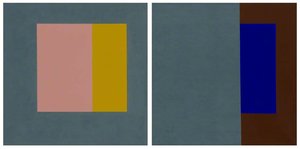
Jean Spencer
1942 - 1998
Lühikest infot
- Full Name: Jean Spencer
- Nationality: British
- Date Of Birth: 1942
- Date Of Death: 1998
- Artistic Movement Or Style: Systems Group abstraction

