

Romanticism · 1822
Cloud Study (John Constable, 1822)
Cloud Study on John Constable (1776–1837) teos. See on pärinev 1822 aastast. See kuulub Romanticism suuntrime. Teos on valmistatud materjalist Oil. Teos asub Yale Center for British Art kogamuses New Haven, USA. Mõõdud on 28.6 × 48.3 cm.
- 1822
- Oil
- 28.6 × 48.3 cm
- Yale Center for British Art, New Haven

 Eelvaade

 Trükk
 Saada
 Jaga
 Teave teose kohta


 Laadi alla
 Sarnased teosed
 Röntgenuuring
 Slaidietendus
 KÜSIMUSED JA VASTUSID

 Statistika
Cloud Study: peamised üksdetails
- Pealkiri
- Cloud Study
- Kunstnik
- John Constable (1776–1837)
- Kunstnik on sündinud
- East Bergholt, Suurbritannia
- Kuupäev
- 1822
- Tehnika
- Oil
- Mõõtmed
- 28.6 × 48.3 cm
- Kus seda näeb
- Yale Center for British Art, New Haven, USA
- Suunad
- Romanticism
- Aeglkond
- 19th Century
- Teema
- clouds, sky, blue sky, white clouds, gray clouds, texture
Mida teos Cloud Study kujutab?
Identification of Cloud Study by John Constable
Cloud Study is an oil on paper study executed by John Constable in 1821. This work focuses on the atmospheric movement of the sky, capturing the transient nature of light and vapor. It belongs to the Romanticism movement of the 19th century.
The piece is part of the Paul Mellon Collection and is currently held at the Yale Center for British Art in New Haven. It represents a period of intense observation for the artist, specifically regarding the meteorological conditions of the English landscape.
Composition and Visual Elements of the Sky
The composition focuses on atmospheric sky and cloud formations, utilizing a palette of blue, gray, and white. Swirling strokes and soft white vapor create a sense of movement across the expanse. These elements interact with cream tones and charcoal to define the shifting structures of the clouds. The arrangement emphasizes the weight and volume of the vaporous forms against the blue sky.
Texture is central to the visual experience, as the interplay of light and shadow defines the cloudscapes. While the primary focus remains on the sky, the composition includes glimpses of landscape, such as trees and dark foliage, which provide a sense of scale and grounding to the celestial activity. The interaction between the gray clouds and the lighter, white highlights suggests a dynamic, changing atmosphere.
Technique and Physical Materials Used
Executed in oil on paper laid on board, the work demonstrates a commitment to the immediacy of plein air study. The artist employs an impasto-like technique to build physical weight upon the surface, creating a tactile presence that mimics the density of vapor. These thick applications of paint allow for a direct engagement with the medium, capturing the transient nature of light and atmosphere through material substance.
The surface is defined by expressive brushstrokes and fluid, gestural movements. Layered textures emerge from the application of pigment, utilizing swirling strokes to suggest the motion of the sky. This method relies on a sophisticated handling of light and shadow to provide volume to the cloud formations. The result is a surface that prioritizes the physical reality of the paint to convey the shifting conditions of the atmosphere.
Documented Interpretations and Scholarly Debates
Scholarly discussion often centers on the extent to which meteorological science influenced the artist's approach to the sky. A significant debate concerns the impact of Luke Howard’s cloud classification system, published in the early 19th century. Some researchers suggest that familiarity with these scientific categorizations resulted in a more balanced light, increased freshness, and a heightened sense of realism in the artist's work during this period.
However, this connection remains contested. While some argue that these studies represent a shift toward scientific naturalism, others maintain that the works produced at Hampstead Heath between 1821 and 1822 were never actually utilized in later, larger compositions. This tension raises questions about the functional purpose of such studies—whether they were intended as direct preparatory tools for major landscapes or as independent investigations into the transient nature of the atmosphere.
Related Works by the Same Artist
Constable’s preoccupation with atmospheric conditions is evident in several other studies from the same period. His investigations into the sky continued through 1821 and 1822, resulting in works such as Cloud Study, Hampstead, Tree at Right (1821) and a separate Cloud Study held in the National Museum in Warsaw, dated about 1822.
His larger compositions often integrated these meteorological observations to establish a sense of place. Notable examples include The Hay Wain (1821) and Salisbury Cathedral from the Meadows (1831). These works demonstrate how his study of light and vapor informed his approach to the English landscape.
Kus on teos Cloud Study täna?
Yale Center for British Art
New Haven, USA
Yale'i Briti Kunstikeskus: Rahvusliku Hingekujutaja Akna Kaudu New Haveni südames, Connecticuti osariigis asuv Yale'i Briti Kunstikeskus on rohkem kui lihtsalt muuseum; see on hingede reis viie sajandi pikkuse Briti identiteedi läbi. Paul Melloni vapustava kingituse – aastakümnete jooksul kogunenud ja kunstiajaloo pöördelise hetke tähistava kollektsiooniga – asutamisel aastal 1966 on keskus muutunud üheks maailma esirinnas tegijatest Briti kunsti saavutuste hoidjaks. Sisenedes, tunned end nagu valguse templisse astudes, kus arhitekt Louis Kahni geniaalne disain muudab valgustki ümber kunstiteose osaleja.


Cloud Study: pildifailid

John Constable, Cloud Study (1822), Yale Center for British Art. Avalik omaniklik õigus
Värvid on kontrollitud originaaliga võrreldes, faili on retušeerinud digitaalekspert.
Osta kõrge resolutsiooniga piltKüsimused teemal Cloud Study
Kust saab teose „Cloud Study“, autor John Constable täna vaadata?
Teos „Cloud Study“, autor John Constable on näitustel Yale Center for British Art, New Haven, USA. Muuseumi keterangane viitab originaalteosele, mitte reproduktsioonidele.
Mis on teose „Cloud Study“, autor John Constable loomisaeg?
Teose „Cloud Study“, autor John Constable loomimisaastaks on märgitud 1822.
Millises materjalis on teos „Cloud Study“, autor John Constable valmistatud?
Teose „Cloud Study“, autor John Constable materjal on Oil. Reproduktsioonide eesmärk on jälitada selle tehnika välimust.
Mis on originaalteose "Cloud Study" mõõdud?
Teose "Cloud Study" originaalmõõdud on 28.6 x 48.3cm. Algdimensioonid on kasulik viide reproduktsiooni suuruse valimisel.
Millised teemad teoses „Cloud Study“, autor John Constable esile tõelve?
Teose "Cloud Study" teemad on clouds, sky, blue sky, white clouds, gray clouds, texture.
Kas teos „Cloud Study“, autor John Constable kuulub avalikku omandisse?
Autoriõiguse teave teose „Cloud Study“, autor John Constable kohta: teos kuulub luba ala avalikus õiguses – selle autoriõigud onหมดunud. See määrab, kas kujundist on lubatud vabadelt reproduktsioone teha.
Kes on teose "Cloud Study" kunstnik?
Teose "Cloud Study" autoriks on mõeldud John Constable.
Millissele kunstisuunale kuulub teos „Cloud Study“, autor John Constable?
"Cloud Study" on Romanticism suunaga teos. See suundumine viitab kunstilisele traditsioonile, millega teos on seotud.
Kuhu John Constable loomingulisse perioodi kuulub teos "Cloud Study"?
Teos "Cloud Study" esindab kunstniku John Constable loovperioodi Mature Period.
Info kunstnikust John Constable
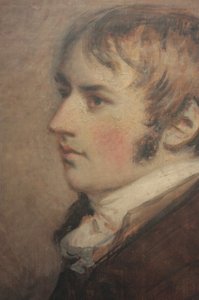
1776–1837, Suurbritannia
John Constable
Varane elu, pere ja õppimisaastad John Constable sündis 1776. aastal Suffolki krahvkonnas asuvates East Bergholti külas. Ta oli Golding ja Ann (Watts) Constablest teine poeg. Tema isa oli jõukas teravilja- ja söökaupmees, kelle omandisse kuulus Flatford Mill.
Iga John Constable teos koos suuruse ja hinna infoga → Kunstniku leht John Constable kuulsumad teosed
Muud teosed kunstniku John Constable eest
 Hõtimäed1821
 Vaade Salisbury katedraalile piiskopi aia alast1823
 Salisbury katedraal
 Seda heinavärv (detail)1821

Artiklid teemal Cloud Study
 25 Must-See Masterpieces at the Yale Center for British ArtExplore 25 iconic works from Turner to Hogarth at Yale Center for British Art. Discover the full collection online at AllPaintingsStore.com.
 Ethereal Skies: The Curated Collector's Guide to Cloudscape Masterpieces and Atmospheric GrandeurDiscover the sublime beauty of cloudscape masterpieces. From Impressionist light to atmospheric depth, explore a curated journey through fi…
 Mastering the English Landscape: The 25 Best Artworks by John ConstableImmerse yourself in the soul of the English countryside with our curated guide to John Constable's top 25 masterpieces. Explore the emotive…