


 Vaata sisu
 Jaga teost
 Jaga
Jaga
 Detailid
 Õppekate juhend

 Laadi alla
 Sarnased teosed
 Röntgenuuring
 Slaidietendus
 Statistika
Moose

 Loe lähemalt
Käsitsi valmistatud õlimaalireproduktsioon
Meie kunstnike poolt tellimusel valmistatud käsitsi maalitud õli-kainaste teos teie soovitud suuruses ja raamis. ( Lülita trükkitoodetele Ülemineku digitaalse pildi müügi kanalisse)




































Vali meie eelmääratud suurused, mis vastavad teose algupärastele proportsioonidele.

Sisestage vajalik laius ja kõrgus, et teos sobiks teie raamile või seinale. Kuna tegu on käsipainatud teosega, siis erineva kujuga suuruse korral võib kunstnik jätta pildi ümber veidi rohkem marginaali või lõigata osa ära — valik on teie. Enne maali alustamist saadame teile kinnitamiseks digitaalse näidisprojektsiooni. Sellel lehel näidatud pilt ei kajasta tegelikku tulemust — seda näitab ainult näidisprojekttsioon.
Pärast tellimust saadab AllPaintingsStore.com meeskond kliendile e-posti juhised ning esitab eelvaate kavandi
Maailmline tarne 3–4 nädala jooksul tavalise 5 nädala asemel. (25 oktoober). Kvaliteedis kompromisse ei tehta.

Tasuta ekspresssaatmine üle maailma

Kõrgekvaliteediline lina-kangastest muld

Täielik transpordikindlustus

Tollimaksude tagastamise garantii

Värvitoime täpsuse garantii

100 päeva tagastusõigus (ainult defektide korral)

100% raha tagasi garantii

Hulgusoodustus
 Klaasivalik on saadaval ainult kuni 110 cm suuruses teostes

Moose
Reproduktsiooni materjal
Reproduktsiooni mõõtmed
-


Lõppsumma
€ 226
Sarnased teosed


Kunstniku elulugu
Thomas Jones: Bridging Naples and the Barbizon – A Pioneer of Atmospheric Landscape
Thomas Jones (1742-1803) stands as a remarkably prescient figure in British art, often overlooked yet undeniably influential. His journey from the bustling studios of Naples to the quiet fields of Wales reveals a fascinating evolution, culminating in landscapes that foreshadowed the Barbizon School and offered a strikingly modern approach to capturing atmospheric depth and light. Jones’s career wasn't marked by immediate fame; instead, it unfolded through decades of diligent observation, meticulous sketching, and a gradual accumulation of recognition within a relatively small circle of discerning patrons.
Born in Wrexham, North Wales, into a family of modest means, Jones received only rudimentary artistic training. His early life was shaped by the rugged beauty of his surroundings – the rolling hills, dramatic skies, and ever-changing light of the Welsh countryside. This intimate connection to nature would profoundly inform his later work. Around 1768, he began traveling extensively throughout Europe, initially to London, then to Italy. It was in Naples during the late 1770s and early 1780s that Jones’s artistic sensibilities underwent a transformative shift. He immersed himself in the vibrant art scene of the Neapolitan school, particularly influenced by the work of Giuseppe Camillo Michetti and Francesco Solimena – masters renowned for their atmospheric landscapes depicting the dramatic light and shadow effects of the Bay of Naples.
Jones’s time in Italy was crucial. He meticulously studied the techniques employed by these Italian artists, focusing on their ability to render the subtle shifts in color and value that conveyed the passage of time and the mood of a scene. Unlike the often-idealized depictions favored by his contemporaries, Jones embraced the darker, more dramatic tones characteristic of the Neapolitan style. He was particularly captivated by Michetti’s use of chiaroscuro – the strong contrast between light and shadow – to create a sense of depth and drama. His sketches from this period are characterized by loose brushwork, rapid execution, and an emphasis on capturing fleeting moments of atmospheric effect. These early works demonstrate a growing mastery of color and composition, laying the groundwork for his later achievements.
The Return to Wales and the Development of a Unique Style
Returning to Wales in 1786, Jones initially struggled to find acceptance within the established artistic circles. His Neapolitan-influenced style was considered too dark and unconventional for the prevailing taste, which favored brighter, more picturesque landscapes. However, he persevered, establishing himself as a portrait painter and landscape artist, primarily catering to wealthy patrons in North Wales. Crucially, Jones didn’t simply replicate the Italian techniques he had learned; instead, he adapted them to his own unique vision, infused with the specific qualities of the Welsh landscape.
A key element of Jones's distinctive style was his deliberate use of atmospheric perspective – a technique borrowed from the Old Masters but employed with remarkable subtlety and effectiveness. He skillfully manipulated color and value to create a sense of distance, conveying the impression that objects recede into the background as they become less distinct and lighter in tone. This approach, combined with his loose brushwork and emphasis on capturing fleeting atmospheric effects, resulted in landscapes that possessed a remarkable sense of immediacy and realism. His work moved beyond mere representation; he sought to evoke the feeling of being present within the scene, experiencing its light, air, and mood.
Naples Sketches: A Window into an Artistic Breakthrough
Among Jones’s most significant contributions to art history are his extensive series of sketches made during his time in Naples. These drawings, numbering over 300, represent a pivotal moment in his artistic development. They reveal a radical shift towards capturing the essence of light and atmosphere – a departure from traditional landscape painting that anticipated the principles of the Barbizon School, which would emerge decades later.
Unlike the carefully composed and idealized landscapes produced by many of his contemporaries, Jones’s Naples sketches are characterized by spontaneity, directness, and an almost obsessive attention to detail. He meticulously documented the changing light conditions throughout the day, capturing the subtle shifts in color and value that transformed the landscape with each passing hour. These sketches demonstrate a profound understanding of atmospheric perspective and a remarkable ability to convey the feeling of being immersed in a dynamic natural environment. The influence of Michetti is undeniable, but Jones’s work possesses a distinct Welsh sensibility – a ruggedness and a sense of melancholy that reflects the character of his homeland.
Legacy and Influence
While Thomas Jones did not achieve widespread fame during his lifetime, his legacy has been increasingly recognized in recent decades. His Naples sketches are now considered to be among the most important examples of 18th-century landscape drawing, offering a unique insight into the artistic processes of one of Britain’s most innovative painters. His work exerted a subtle but significant influence on subsequent generations of British artists, particularly those associated with the Barbizon School – a movement that championed direct observation and atmospheric effects in landscape painting.
Jones's emphasis on capturing the fleeting qualities of light and atmosphere, combined with his loose brushwork and expressive use of color, paved the way for a more modern approach to landscape painting. He demonstrated that it was possible to create powerful and evocative landscapes without resorting to idealized forms or artificial colors. Thomas Jones remains a testament to the power of observation, dedication, and a deep connection to one’s artistic surroundings – a true pioneer of atmospheric landscape.

John Jones
1946 - 1658
Lühikest infot
- Full Name: John Paul Jones
- Nationality: American
- Date Of Birth: 1946
- Date Of Death: 1658
- Place Of Birth: Indianola, Iowa, USA
- Notable Artworks: ['Various prints and paintings']
- Artistic Movement Or Style: Figurative painting, printmaking
- Artists Who Influenced This Artist: ['Mauricio Lasansky']
- Artists Or Movements Influenced By This Artist: ['None specified']
Sarnased artiklid

Giclée Prints: Archival Quality & Aesthetic Nuances for the Discerning Collector
Explore the world of giclée prints with AllPaintingsStore. Learn about archival quality, aesthetic nuances & investment potential. Expert guidance for discerning art collectors seeking museum-quality reproductions and lasting value.

Romantilise Maastikukunsti 10 Meisterteost: Kunstiteosed Koduks AllPaintingsStore.com'ist
Avastage 10 romantilise maastikukunsti meistriteost! Tutvuge Caspar David Friedrichi, J.M.W. Turneri ja teiste suurte kunstnike loominguga AllPaintingsStore.com-is. Leidke täiuslik õlimaal või reproduktsioon koduks – inspireeriv kollektsioon ootab!
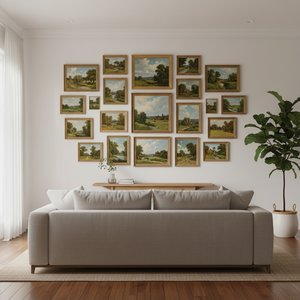
John Constable: 25 Suurimat Teost Inglise Maastikumaali Tippu
Avastage John Constable'i 25 suurimat teost! Sukeldu inglise maastikumaali romantismisse, imetlege Dedham Vale ilu ja leia inspiratsiooni kodukaunistuseks. Kvaliteetsed kunstireprodutsioonid AllPaintingsStore.com-is. Vaata kohe!
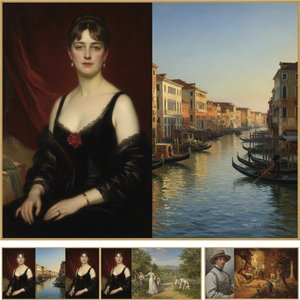
John Singer Sargent's 25 Masterpieces: Portraits & Beyond | AllPaintingsStore
Explore 25 iconic John Singer Sargent paintings – from dazzling portraits to Impressionist landscapes. Discover the stories behind Madame X, El Jaleo & more! Find museum-quality art reproductions and elevate your home decor with AllPaintingsStore.com.

Hokusai's Masterpieces: 25 Iconic Prints & Paintings for Art Lovers | AllPaintingsStore
Journey through Katsushika Hokusai’s 25 most iconic artworks, including *The Great Wave*. Explore the ukiyo-e master's history, style & timeless Japanese woodblock prints. Find museum-quality reproductions for your home at AllPaintingsStore.com.

