


 Vaata sisu
 Jaga teost
 Jaga
Jaga
 Detailid
 Õppekate juhend

 Laadi alla
 Sarnased teosed
 Röntgenuuring
 Slaidietendus
 Statistika
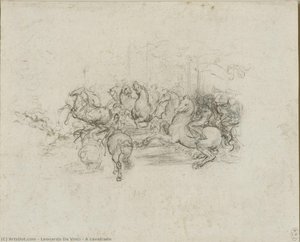
Two Horses
 13.0 x 22.0 cm
 Yale Center for British Art
 Loe lähemalt
Ostke kõrglahutusel ja täiustatud digitaalne pilt, mis on oluliselt parem kui veebilehel näidatud eelvaade.
Iga fail on meie spetsialistide poolt hoolikalt ette valmistatud, kasutades kaasaegseid tööriistu ja professionaalset käsitsi retušeerimist. Tagame, et igal pildil on erakordne selgus, täpne värvitäpsus ja peen detail.
Lõplik fail saadetakse e-posti teel 72 tunni jooksul ning on optimeeritud koheseks kasutamiseks professionaalsetes, toimetuslikes ja trüki keskkondades. See on sama kvaliteet, mida usaldavad tipptasemel disainistuudiod, kirjastused ja galeriid.
Digitaalne pilt
Laadi alla kõrge resolutsiooniga fail isiklikuks vaatamiseks, trükkimiseks ja loomingulisteks projektideks. ( Lülita trükkitoodetele Telli käsitsi maalitud reproduktsioon)
Sisse kuulub iga digitaalse pildi tellimusega
Professionaalne digitaalne kohaletoimetamine, garanteeritud
Valides AllPaintingsStore.com, ei saa sa lihtsalt pilti – saad professionaalselt parandatud digitaalse teose, mida on valmistatud täpsusega ja mis on toetatud rahuldamatusgarantiiga. Siin on kõik, mis sinu tellimusega automaatselt kaasneb:

Kiire e-posti edastus
Teie kõrge resolutsiooniga digitaalne pildifail saadetakse teile e-posti 72 tunni jooksul pärast tellimist – kohe kasutamiseks valmis.

Tehisintellektiga täiustatud digitaalne fail
Teie teos on professionaalselt optimeeritud arenenud tehisintellekti tööriistade ja käsitsi redigeerimise abil, tagades maksimaalse detailitaseme, selguse ja värvitäpsuse.

Tasuta eluaegne uuesti saatmine
Kas kustutasid faili kogukalu unustamisel või kustutamisel? Puudub mure – saad selle uuesti igal ajal ilma lisatasuta.

Puuduvad importimaksud – alati
Nautige oma teoseid koheselt ilma tolli-, maksude või tarnimaskuludeta – digiletchargused on alati maksuvabadud.

Värvitäpsuse garantii
Me tagame, et teie digitaalne pilt kajastaks originaali värve professionaalsete tööriistade ja värvihalduse abil võimalikult täpselt.

100 päeva rahuldamatuse garantii
Kui te ei ole oma digitaalse pildi eest rahul, siis me parandame seda või tagastame 100% summast 100 päeva jooksul – küsimusteta.

100% raha tagastamise garantii
Ei ole rahul? Saate täielise tagastaja 100 päeva jooksul pärast digitaalse faili kättesaamist – ilma küsimusteta.

Suurema tellimuse soodustused
Osta 3 pilti, säästa 10% - Osta 5, säästa 15% - Osta 10+, säästa 20%. Sobib suurepäraselt loomingulisteks projektideks, galeriideks ja agentuurideks.
Sarnased teosed




Kunstniku biograafia
A Flemish Hand in the English Baroque: The Life and Art of John Michael Rysbrack
Born in Antwerp in 1694, John Michael Rysbrack emerged as a pivotal figure in 18th-century British sculpture. His story is one of artistic migration, skillful adaptation, and the forging of a unique style that blended the dynamism of Flemish Baroque tradition with the growing embrace of Classical ideals in England. Rysbrack wasn’t simply an importer of continental styles; he became a defining force in shaping the aesthetic landscape of his adopted homeland. His father, Pieter Rijsbraeck, was a landscape painter, instilling within young John an early appreciation for visual artistry. This familial artistic inclination led to formal training under Michiel van der Voort (the Elder) in Antwerp from 1706 to 1712—a foundational period where the principles of classical form were deeply ingrained. By 1714/1715, Rysbrack had established himself sufficiently to join the Guild of St. Luke in Antwerp and even take on apprentices, signaling his ascent as a master craftsman within the Flemish artistic community. The family’s creative spirit extended beyond John; his brothers Pieter Andreas and Gerard also pursued successful painting careers, eventually joining him in London, creating a vibrant hub of artistic talent transplanted to English soil.From Antwerp Workshop to London Prominence
The year 1720 marked a turning point as Rysbrack relocated to London, a city poised for an era of significant cultural and artistic development. He quickly ascended to prominence, becoming one of the most sought-after sculptors in England. Unlike many artists who worked in isolation, Rysbrack established a substantial workshop—a bustling center of production staffed by numerous assistants, including fellow Flemish sculptors like Gaspar van der Hagen and James Francis Verskovis. This allowed him to undertake large-scale commissions with efficiency while maintaining consistently high quality. His success wasn’t accidental; it stemmed from an astute understanding of the British elite's tastes—a desire for grandeur tempered by a growing appreciation for Classical restraint. Early patronage from influential figures like Edward Lord Harley (later 2nd Earl of Oxford) and Sarah, Duchess of Marlborough provided crucial early support and visibility. Relationships with clients such as Henry Hoare, who commissioned several works and even bequeathed Rysbrack a model of Hercules in his will, demonstrate the depth of trust and artistic connection he fostered. Correspondence with Sir Edward Littleton offers invaluable insights into the practicalities of sculpture production during this period—the challenges of materials, logistics, and the collaborative nature of workshop practice.Monuments to Memory: Major Works and Artistic Style
Rysbrack’s oeuvre is remarkably diverse, encompassing monumental sculptures, elegant portrait busts, and intricate funerary monuments. Perhaps his most celebrated achievement is the monument to Sir Isaac Newton in Westminster Abbey—a grand and imposing work that encapsulates both the scientific brilliance of its subject and Rysbrack's mastery of large-scale sculptural composition. The equestrian statue of Marlborough stands as a testament to his ability to capture movement, power, and heroic stature. However, it is in his portrait busts – those of Walpole, Bolingbroke, and Alexander Pope among others – that Rysbrack’s talent for psychological insight truly shines. He didn't merely replicate physical likenesses; he sought to convey the character, intellect, and personality of each sitter. The bust of George Hamilton, 1st Earl of Orkney, is particularly noteworthy, depicting the subject as a Roman centurion—a deliberate allusion to his distinguished military career and a demonstration of Rysbrack’s ability to imbue sculpture with historical context. The monument at St Michael and All Angels Church in Badminton, featuring depictions of the 2nd and 3rd Duke of Beaufort in Roman attire, showcases his skill in complex allegorical compositions. Even his bronze equestrian statue of King William III in Queen Square, Bristol, highlights his versatility across different materials.A Lasting Legacy: Rysbrack’s Influence on British Sculpture
John Michael Rysbrack's impact on the development of 18th-century British sculpture is undeniable. For decades, he dominated the scene, shaping artistic trends and influencing a generation of sculptors through his workshop training. He played a crucial role in popularizing both portraiture and funerary monuments, establishing a distinctive aesthetic that skillfully balanced Baroque dynamism with Classical restraint—a style that resonated deeply with the cultural sensibilities of the time. His work reflects not only artistic innovation but also the complex social hierarchies and patronage networks of 18th-century Britain, offering valuable insights into the period’s values and priorities. While his later years saw a slight decline in commissions, his legacy endured through the continued influence of his style and the widespread presence of his works throughout England. Rysbrack's story is a compelling example of how an immigrant artist could not only thrive but also fundamentally contribute to the artistic identity of a new nation—leaving behind a body of work that continues to inspire and captivate audiences today. His sculptures remain powerful statements of artistry, ambition, and the enduring human desire for commemoration.
John Michael Rysbrack
1694 - 1770 , Belgium
Kiired faktid
- Artistic Movement Or Style: Baroque & Classical
- Artists Or Movements Influenced By This Artist: ['British sculpture']
- Artists Who Influenced This Artist: ['Michiel van der Voort']
- Date Of Birth: 1694
- Date Of Death: 1770
- Full Name: John Michael Rysbrack
- Nationality: Flemish
- Notable Artworks:
- Newton Monument
- Marlborough Statue
- Busts: Walpole, Pope
- Orkney Bust
- Badminton Monument
- William III Statue
- Place Of Birth: Antwerp, Belgium

