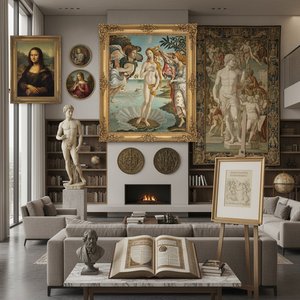
Acrylic On Canvas.

§ 1Kataloogandmed

§ 2Abstraktne
Kogumisobjekti kirjeldus
 Loe lähemalt
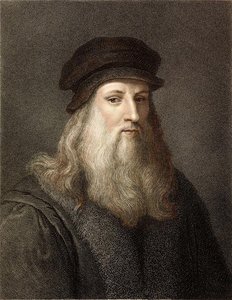
Kunstniku elulugu
Avastage Leonardo da Vinci (1452-1519): Mona Lisa ja Viimase õhtusöögi renessanssgenius! Avastage tema sfumato tehnika, anatoomiauuringud ja murdilavad leiutised.
§ 3Kommentaar
Codiceuccelli: A Fragment of Leonardo’s Obsession with Flight
Leonardo da Vinci's *Codice uccelli*, or “Book of Birds,” represents more than just a sketchbook; it embodies the very essence of his relentless pursuit of knowledge and understanding—a cornerstone of his unparalleled genius. Dating back to around 1505-1506, this manuscript offers a glimpse into Da Vinci’s meticulous observations of avian anatomy and behavior, reflecting his profound fascination with unlocking the secrets of flight.
Detailed Anatomical Studies: The Pursuit of Perfection
The drawings within *Codice uccelli* are astonishingly detailed, surpassing anything produced by his contemporaries. Leonardo painstakingly dissected birds—both freshly killed specimens and preserved skeletons—to meticulously document their musculature, bones, feathers, and skeletal structure. These studies weren’t merely academic exercises; they were driven by a desire to comprehend the mechanics of avian locomotion – a quest that would ultimately inform his own ambitious designs for flying machines.
A Gothic Influence: Decorative Elements & Artistic Style
Despite Da Vinci's groundbreaking scientific endeavors, *Codice uccelli* reveals an undeniable connection to Gothic art traditions. The sketchbook’s pages are adorned with decorative borders and intricate geometric patterns—characteristic of the Florentine Gothic style prevalent during his time. These embellishments underscore the importance of visual harmony and craftsmanship within Renaissance artistic practice, demonstrating Da Vinci's mastery of both disegno (drawing) and ornamento (decoration).
Symbolism of Flight: Beyond Mere Observation
The preoccupation with birds wasn’t simply a matter of scientific curiosity for Leonardo; it carried deeper symbolic significance. Throughout Western art history, flight has represented aspiration, transcendence, and liberation—themes that resonated powerfully within the humanist worldview of the Renaissance. Da Vinci's detailed depictions of birds served as inspiration for his inventions, symbolizing humanity's ambition to overcome earthly limitations and achieve a higher state of being.
Emotional Resonance: Capturing Nature’s Majesty
*Codice uccelli* transcends its scientific documentation role, conveying an undeniable emotional resonance. Leonardo’s masterful rendering captures the dynamism and beauty of birds in flight—a testament to his ability to translate observation into artistic expression. Viewing a high-quality reproduction allows one to appreciate not only Da Vinci's technical prowess but also his profound reverence for the natural world – a sentiment that continues to inspire artists and collectors alike.
Korduvad küsimused
Kuidas ma saan alla laadida teose „Codiceuccelli“, autor Leonardo Da Vinci pildi?
Teose "Codiceuccelli" kohta on võimalik alla laadida digitaalne pilt: teose Laadi alla lehel on saadaval kõrge resolutsiooniga digitaalse pildi allalaadimine.
Kuidas teose „Codiceuccelli“, autor Leonardo Da Vinci värvid seostuvad selle emotsiooniga?
Teose „Codiceuccelli“, autor Leonardo Da Vinci Neutrals värvigamma sobib suurepäraselt kokku selle Reflective emotsionaalse tooniga. Värv on üks viiseid, kuidas teos tunde edastab.
Kas Leonardo Da Vinci teos "Codiceuccelli" kuulub avalikku omandisse ja miks?
Leonardo Da Vinci teos "Codiceuccelli" on avalikus õiguses – selle autoriõigud onหมดunud. Autoriõiguse kaitseajad arvutatakse alates kunstniku surmaõigustest ning Leonardo Da Vinci suri aastal 1519.


 Lülita trükkitoodetele


 Kunstiteoste või reproduktsioonide puhul, mille üks külg on üle 105 cm (umbikmolt 41 tolli), saadetakse raam kirjal asendis, la Dismantlitud komplektina. See meetod tagab ohutuse kohaletoimetamisel ja väldib transpordil tekkivaid kahjustusi.