


 Eelvaade
 Saada
Saada Jaga
Jaga
 Teave teose kohta
 Juhend

 Laadi alla
 Sarnased teosed
 Röntgenuuring
 Slaidietendus
 Q&A
Q&A Statistika
Neptun

 Loe lähemalt
Giclée / Kunstiprint
Muuseumikvaliteediga giclée- või kangasprint kiire tootmisega ja paindlikud viimistlusvõimalused. ( Osta käsitsi maalatud teos Lülita digitaalse pildi juurde)




P118B €10

P118H €10

P118W €10

P438Z €10

P508JH €12

P508YH €12

P805H €10

P805Z €10

P919BZ €10

P919G €10

P919XJ €10

P959ZH €10

P968JZ €12

W106C €8

W218G €10

W218JH €8

W218Y €10

W307PJ €10

W316G €10

W316PJ €8

W316Y €10

W398PJ €8

W4111J €10

W500HY €15

W500JH €15

W692G €12

W849H €8

W940BG €15

W953PJ €8




Vali meie eelmääratud suurused, mis vastavad teose algupärastele proportsioonidele.

Sisestage vajalik laius ja kõrgus, et see sobiks teie raamile või seinale. Trükki saab ainult lõigata, seda ei saa kunagi pildist suuremaks teha, seega ka erineva mustega suurus kaotab osa pildist. Enne trükkimist saadame teile kinnitamiseks digitaalse näidisprojektsiooni. Sellel lehel näidatud pilt ei kujuta reaalset lõiget — seda näitab ainult näidisprojektsioon.
Ülemaailmne tarne () 2 nädala jooksul, tavalise 4/5 nädala asemel. (31 oktoober)

Tasuta ekspresssaatmine üle maailma

Kõrgekvaliteediline lina-kangas

Täielik transpordikindlustus

Tollimaksude tagastamise garantii

Värvitoime täpsuse garantii

100 päeva tagastusõigus (ainult valmistusdefektide korral)

100% raha tagasi garantii

Hulgusoodustus
 Klaasivalik on saadaval ainult kuni 110 cm suuruses teostes

Neptun
Giclée / Kunstiprint
Reproduktsiooni suurus
-


Koguhind
€ 57
Leonardo da Vinci’s “Neptune”: A Dance of Power and Poseidon
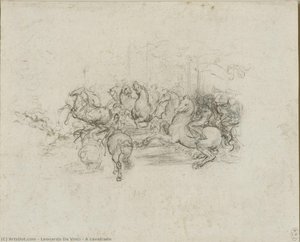
Leonardo da Vinci's "Neptun," often referred to simply as "Neptune," is not merely a painting; it’s a dramatic embodiment of Roman mythology, rendered with an arresting intensity that speaks volumes about the artist’s mastery of composition, light, and psychological depth. Completed around 1482, this charcoal drawing on black chalk offers a glimpse into da Vinci's early explorations of figure work and his fascination with classical themes – specifically, the turbulent power of the sea god Poseidon. Unlike many of his later, more polished works, “Neptun” retains a raw energy, a sense of immediacy that reflects its status as a preliminary study rather than a finished masterpiece.
The scene depicts Neptune, king of the gods and ruler of the oceans, seated upon a shell-shaped rock. He’s not presented in the idealized form often found in Renaissance sculpture; instead, da Vinci captures him with a palpable sense of authority and even a hint of brooding intensity. His posture is deliberately forceful, his gaze fixed ahead as if commanding the waves themselves. The figure is rendered with rapid, confident strokes – a characteristic of Leonardo’s working method – revealing the underlying structure beneath the surface. Notice how he uses hatching to create texture and volume, particularly in the folds of his drapery and the swirling patterns of the sea.
A Symphony of Movement: Technique and Composition
Da Vinci's technique is immediately striking. The charcoal is applied with a remarkable degree of spontaneity, creating a dynamic sense of movement that contrasts sharply with the static quality often associated with Renaissance art. He masterfully employs hatching – closely spaced parallel lines – to build up tones and create an illusion of depth and texture. The use of light and shadow is particularly effective in conveying the drama of the scene; the dark background emphasizes Neptune’s form, while strategically placed highlights draw attention to his face and hands.
Compositionally, “Neptun” is a tour de force. The figure dominates the frame, yet he's not isolated. The swirling waves, depicted with loose, expressive strokes, create a sense of chaos and power that mirrors Neptune’s dominion over the sea. The inclusion of Amphitrite, Neptune’s consort, riding on his back, adds another layer of visual interest and reinforces the theme of royal authority. The placement of the birds – one soaring above, another diving below – subtly connects the earthly realm with the divine, suggesting a broader cosmic order.
Symbolism and Mythological Resonance
“Neptun” is deeply rooted in Roman mythology, drawing upon centuries of tradition surrounding Poseidon. The shell-shaped rock serves as Neptune’s throne, symbolizing his connection to the sea – the very essence of his power. The turbulent waves are not merely decorative; they represent the unpredictable and potentially destructive forces that lie beneath the surface. The presence of birds, often associated with divine messengers or omens, adds a layer of symbolic complexity.
Interestingly, da Vinci’s depiction deviates slightly from traditional portrayals of Neptune. He doesn't present him as a benevolent protector; instead, he captures a more formidable and even somewhat menacing figure – a god who commands respect through sheer force of will. This nuanced portrayal reflects da Vinci’s broader interest in exploring the complexities of human nature and the darker aspects of the divine.
A Legacy of Artistic Innovation
Despite its status as an early study, “Neptun” reveals da Vinci's burgeoning genius and his willingness to experiment with new techniques. It demonstrates his ability to capture not just the physical appearance of a subject but also their psychological state – a skill that would become increasingly central to his later work. Reproductions of this captivating drawing offer a unique opportunity to appreciate da Vinci’s artistic process and to witness firsthand the genesis of one of the most iconic images in Western art history. Its raw energy and dramatic composition continue to resonate with viewers today, reminding us of the enduring power of classical mythology and the boundless creativity of Leonardo da Vinci.
Korduvad küsimused
Millised värvid domineerivad teoses „Neptun“, autor Leonardo Da Vinci?
Teose "Neptun" värvigamma on määratud Pastels paletiga, mille domineeriv värv on Putty (#eee1be).
Kuidas teos "Neptun" sobitub artisti Leonardo Da Vinci teemade ja stiiliga?
Teos "Neptun" jagab koos Leonardo Da Vinci teistega High Renaissance stiili ja korduvaid teemasid: classical mythology, renaissance ideals, religious symbolism, divine power, allegorical representation, humanism, da vinci’s exploration of form, masterpiece.
Kust saan leida statistikat teose „Neptun“, autor Leonardo Da Vinci kohta?
Teose „Neptun“, autor Leonardo Da Vinci statistika on saadaval teose lehel Statistika: teose kuukaudsed külastused, kunstniku teoste külastused ning viimaste külastajate riikide ja keelte jaotus.
Sarnased teosed




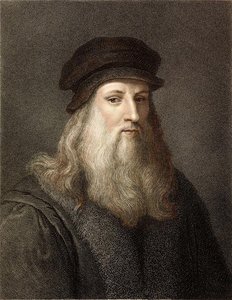
Kunstniku elulugu
Leonardo da Vincini elu ja pärand
Leonardo di ser Piero da Vinci, kes sündis 1452. aastal Itaalias, Toscana küla Vinci lähedal, on tõlgistatav kui renessanssiaja universaalselt tuntudim tegelane – tõeline polühistor, kelle ardamatu uudishimu tõuked viisid teda läbi erinevate valdkondade, jättides tematu jälje kunstile, teadusele ja inseneri-tehnikale. Tema nimi on muutunud geniaalsuse sümboliks, olles tunnistus tema erakordsele talendi laiusele ja visionäärsele mõttemustile. Sündinud abieluvälise lapseks notar Piero da Vincile ja talupojale Caterinale, oli Leonardo varajane elu ebatavaline, kuid pakkus talle samas ligipääsu nii praktilisele maailmale kui ka looduse hindamisele, mis kujundas sügavalt tema kunstilist visiooni. Ta sai algõpetust lugemise, kirjutamise ja arvutamise osas, kuid just tema õppeesitlus Andrea del Verrocchio juures Floreentses linnas tekitas tõeliselt tema loovsuse sädeme. Verrocchio töökojas ei õppinud Leonardo mitte ainult maalima või skulptoriks saama; ta oli kastetud tehniliste oskuste maailma, omandades metalltöötluse, viilimise, joonistamise ja kunstilise loomise keerukuste meisterlikkuse – see oli alus, millele ta ehitas oma mitmekülgse geniaalsuse. Isegi selle kujundaval perioodil ringlesid kuulupäratused tema erakordse talendi kohta, viidates isegi sellele, et Verrocchio ise loobis maalamist pärast Leonardo ülemuse nägemist.
Milano uuendused ja kunstiline õitsemine
1482. aastal alustas Leonardo uut peatükki, astudes Milano hertogi Ludovico Sforza teenistusse. See ei olnud pelgalt kunstiline ametikoht; Leonardo tegeles hovil sotsiaalselt oluliste rollidena kui sõjamehaanikeer, arhitekt, skulptor ja disainer – see on tõestus tema mitmekülgsuse kohta. Ta loovitas uuenduslikke kindlustusi, projekteeris elaboraatseid lavakujundusi ja joonistas isegi plaanid fantaasiapäraste masinate jaoks. Kuid just sellel perioodil alustas ta töötamist ühe oma ikoonilisema meistriteose üle: Viimane õhtusöök. See fresko, mis asub Santa Maria delle Grazie kloostri refektööris, ületab peldaalt puhtalt esitavat funktsiooni; see on sügav uurimine inimemotioonide ja psühholoogilise drama kohta, tabades täpselt hetke, mil Krist kuulutab välja oma reetmise. Kompositsioon, mis oli oma ajale uuanduslik, ning perspektiivi meisterlik kasutus mõjutaksid Lääne kunsti sagedust sajandeid.
Tagasipöördemine Floreentsa ja täiuslikkuse otsimine
Pärast Prantsuse invasiooni Milanos 1499. aastal pöördus Leonardo tagasi Floreentsa, linna, mis koges oma kunstilise arengu tipphetke. Kuigi sel ajal valmis tema teoseid vähem, oli nende mõju hiiglaslik. Just siin alustas ta töö sellega, mis sai maailma kuulsaimaks maaliduks: Mona Lisa (La Giudonda). Teema salapärane naer ja vangitsev pilk on võlustanud vaatajategas genetsioni, samas kui Leonarda revolutsiooniline sfumato tehnika – pehme üleminek valgusest varjule, et luua hämarad kontuurid ja atmosfäärne perspektiiv – aitas oluliselt maali etereelist olemust. See periood nägi ka tema anatoomiatööde pidevat tärakujundamist, mida juhtis vankumatu soov mõista inimvormi teadusliku täpsusega. Ta lahkas kadavre, dokumenteerides hoolikalt lihaseid, luusid ja elundid ühes sarjas uskumatult üksikasjalikke joonistusi, mis olid oma ajast sajandeid ees.
Pärand beyond kunsti: Teadus, leiutised ja igavene mõju
Leonarda hiljumad aastad marksitud reisidega Floreentsa, Milanosse ja Roomasse; teda otsiti alati tema ekspertiisi pärast, kuid sageli jäid projektid lõpetamata – see on ehk peegeldus tema rahutu intellekti ja huvide tohutustest ulatusest. 1516. aastal võttis ta vastu kuningas Francis I kutse elada ja töötada Prantsusmaal, Amboise lähedal asuvas Château du Clos Lucé lossis, kus ta veetas oma viimased aastad. Ta surmas seal 1519. aastal, jättes järele tohutut pärandit, mis ulatub kaugele kunsti valdkonnast. Tema märkmikud paljastavad pioneerset tööd anatoomias, optikas, hüdraulikas, geoloogias ja kartograafias ning konseptualiseeritud leiutisi, mis olid oma ajast sajandeid ees, sealhulgas lendumasinad, tankid ja edasioptunud relvastust. Leonardo da Vincini mõju kunstile on mõõdamatu. Ta tõi kunstnike staatuse oskuslikest käsitöölistest intellektuaalseteks tegelasteks, demonstreerides, et kunstiline loovus võib olla teadusliku uurimise ja looduse sügava arusaamuse alusel. Tema maaleid tähistatakse nende realismi, psühholoogilise sügavuse ja uuenduslikkuse eest. Ta jääb inimliku uudishimu, loovuse ja teadmiste vankumatute otsingute sümboliks – renessantsi vaimu tõeline kehastus, kelle pärand jätkub meid inspireerimas ka sajandeid pärast tema surma.
Olulised saavutused ja igavene mõju
- Maalimine: Mona Lisa, Viimane õhtusöök, Kivid seas Neitsi, Teatuse ilmumine
- Joonistamine ja sketsid: Laialdased anatoomilised uuringud, Inženeritehnilised projektid (lendumasinad, relvad), Botaanilised illustratsioonid
- Teadus ja inseneritehnika: Pioneerne töö anatoomias, optikas, hüdraulikas, geoloogias ja kartograafias. Konseptualiseeritud leiutised, mis olid oma ajast sajandeid ees.
Leonardo Da Vinci
1452 - 1519 , Itaalia
Lühikest infot
- Artistic Movement Or Style: Reenessanss
- Artists Or Movements Influenced By This Artist: ['Reenessanssikunst']
- Artists Who Influenced This Artist: ['Andrea del Verrocchio']
- Date Of Birth: 15. aprill 1452
- Date Of Death: 2. mai 1519
- Full Name: Leonardo da Vinci
- Nationality: Itaalia
- Notable Artworks:
- Mona Lisa
- Viimane õhtusöök
- Vitruviuse mees
- Place Of Birth: Vinci, Itaalia
Sarnased artiklid

Mastering Charcoal: A Professional Guide to Texture and Depth for Large-Scale Interior Art Commissions
Discover professional techniques for mastering charcoal texture and depth. An expert guide for hotel designers and procurement managers looking to integrate high-impact monochrome art into large-scale hospitality projects with precision and scale.


