

1956. Akrüül võimlusel, 85.0 x 125.0 cm. Boschi Di Stefano House Museum.

§ 1Kataloogandmed

- 85.0 x 125.0 cm


See teos on autoriõigusega kaitstud
Sellel lehel kuvatav kunstiteos on kaitstud autoriõigusega, mis tähendab, et meil ei ole seaduslikku õigust luua või müüa identset reproduktsiooni. Seda kaitset rakendatakse rahvusvaheliste kokkulepete alusel, nagu näiteks Berne konventsioon ning riiklike seadustega, sealhulgas nendega, mida on sätestatud USA autoriõiguse seadus – 17. peatükk.
Austasena ja seaduslikuna alternatiivina pakume originaalist inspireeritud, käsitsi maalitud isikupärastatud teoseid. Meie osutavad ja professionalsed kunstnikud uurivad hoolikalt originaali stiili, meelemoi ja kunstilist olemust, et luua uus, ainulaadne teos, mis tekitab sama tunnet – olles samal ajal omaette originaalne looming.
See meetod järgib täielikult autoriõiguse reegleid, kuna see ei põhine kaitstud kunstiteose kopeerimisel või dupliteerimisel. Selle asemel on tegu loova reinterpreetatsiooniga – uue maaldisega, mis on algteosest inspireeritud, kuid ei ole sellest identiline.
 Loe lähemalt
§ 2Abstraktne
Kogumisobjekti kirjeldus
Explore a unique private collection of paintings, sculptures & drawings by Antonio Boschi & Marieda Di Stefano in Milan.
Kunstniku elulugu
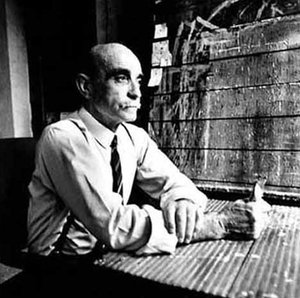
Spatialismi asSundaja Lucio Fontana on kuulus oma ikooniliste lõigetud kangaste poolest. Avastage tema revolutsiooniline kunst juba täna.
§ 3Kommentaar
A Pioneering Leap into Spatial Perception
Lucio Fontana’s “Spatial Concept,” created in 1956, stands as a cornerstone of Spatialism—a movement that fundamentally challenged the conventions of Western painting and envisioned art as an active participant in shaping our understanding of space and time. More than just pigment on canvas, this mixed media masterpiece embodies Fontana's audacious ambition to transcend illusionistic representation and engage with the very fabric of reality.
The Genesis of Spatialism
Born in Rosario, Argentina, in 1899, Lucio Fontana’s artistic journey began amidst the burgeoning avant-garde fervor of Europe. Influenced by Futurism's embrace of dynamism and technological advancement, Fontana sought to liberate art from the constraints of traditional perspective—a pursuit that culminated in Spatial Concept and cemented his position as a visionary innovator.
Composition and Technique: Breaking Boundaries
The painting’s dominant hue is a serene blue, accented by subtle greens that contribute to an atmosphere of contemplative depth. Scattered throughout the scene are meticulously placed objects—small circles rendered in pink and red—that punctuate the expanse of color. However, Fontana's genius lies not merely in his palette but in his groundbreaking technique: he employed a combination of pigment and perforations into stretched canvas. These incisions weren’t simply decorative; they represented a deliberate rupture with established artistic conventions, symbolizing an opening onto an infinite realm beyond visual perception.
Symbolism and Conceptual Depth
Spatial Concept speaks to Fontana's profound belief in the interconnectedness of art and science—a conviction rooted in his desire to propel humanity into the future. The perforations serve as a metaphor for exploration, pushing against boundaries and inviting contemplation about the nature of existence itself. As Fontana famously declared, “I want to break through,” reflecting the movement’s core ethos: to dismantle illusion and embrace the tangible reality of space.
A Legacy Enduring Influence
Displayed prominently at the Boschi Di Stefano House Museum in Milan, Spatial Concept continues to inspire artists and collectors alike. Its enduring appeal resides in its ability to capture a moment of artistic liberation—a bold assertion that art could transcend representation and engage directly with our sensory experience. Fontana’s pioneering work remains a testament to the transformative power of imagination and innovation.
Korduvad küsimused
Kes lõi teose "Spatial Concept" ja millal?
Lucio Fontana loob teose "Spatial Concept" aastal 1956.
Millist etap Lucio Fontana loomingus teos "Spatial Concept" esindab?
Teos "Spatial Concept" kuulub Lucio Fontana loomingulise karjääri perioodi Mature Period. See klassifikatsioon seostab teose kunstniku loovliku arenguga.
Kes on teose "Spatial Concept" looja?
Teose "Spatial Concept" looja on Lucio Fontana. Teos on kataloogitud nime Lucio Fontana all.


 Lülita trükkitoodetele


 Kunstiteoste või reproduktsioonide puhul, mille üks külg on üle 105 cm (umbikmolt 41 tolli), saadetakse raam kirjal asendis, la Dismantlitud komplektina. See meetod tagab ohutuse kohaletoimetamisel ja väldib transpordil tekkivaid kahjustusi.


