

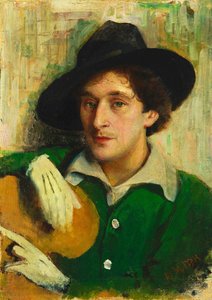
1820. Acrylic On Canvas, 32.0 x 24.0 cm.

§ 1Kataloogandmed

- 32.0 x 24.0 cm


See teos on autoriõigusega kaitstud
Sellel lehel kuvatav kunstiteos on kaitstud autoriõigusega, mis tähendab, et meil ei ole seaduslikku õigust luua või müüa identset reproduktsiooni. Seda kaitset rakendatakse rahvusvaheliste kokkulepete alusel, nagu näiteks Berne konventsioon ning riiklike seadustega, sealhulgas nendega, mida on sätestatud USA autoriõiguse seadus – 17. peatükk.
Austasena ja seaduslikuna alternatiivina pakume originaalist inspireeritud, käsitsi maalitud isikupärastatud teoseid. Meie osutavad ja professionalsed kunstnikud uurivad hoolikalt originaali stiili, meelemoi ja kunstilist olemust, et luua uus, ainulaadne teos, mis tekitab sama tunnet – olles samal ajal omaette originaalne looming.
See meetod järgib täielikult autoriõiguse reegleid, kuna see ei põhine kaitstud kunstiteose kopeerimisel või dupliteerimisel. Selle asemel on tegu loova reinterpreetatsiooniga – uue maaldisega, mis on algteosest inspireeritud, kuid ei ole sellest identiline.
 Loe lähemalt
§ 2Abstraktne
Kogumisobjekti kirjeldus
Kunstniku elulugu
Avasta Marc Chagalli (1887–1985) maailm – juudi päritolu kunstniku looming, kus kohtuvad unenäolised maalimid, Vatebski mälestused ja vapustavad vitraažid. Tutvuge tema pärandiga!
§ 3Kommentaar
Solomon on the Throne: A Dreamscape of Wisdom and Divine Judgment
Marc Chagall’s “Solomon on the Throne” (circa 1956), a striking etching produced during his prolific period in Naïve Art, transcends mere visual representation; it embodies a profound meditation on biblical narrative and the enduring fascination with themes of authority, faith, and contemplation. Executed in monochrome – primarily black ink accented by subtle tonal variations – this artwork exemplifies Chagall’s signature style: an imaginative blend of realism and fantasy that prioritizes emotional resonance over meticulous detail. The image depicts Solomon, King of Israel, seated upon a throne adorned with stylized floral motifs, flanked by two dogs—a deliberate allusion to the biblical tale recounted in I Kings X, 18-20 where Solomon judges between two women claiming paternity of the same child. The etching’s composition is deliberately asymmetrical, furthering its dreamlike quality and mirroring the unpredictable nature of divine judgment. Scattered throughout the scene are additional animals – three cats—each positioned with careful consideration, contributing to a rich tapestry of symbolism rooted in Jewish folklore. Cats traditionally represent wisdom and vigilance within Hasidic tradition, aligning perfectly with Solomon’s role as a ruler known for his intellect and piety. The dogs, similarly symbolic, embody loyalty and guardianship, reinforcing the overarching message of righteousness and divine protection. Chagall's technique is characterized by loose hatching lines that convey texture and depth without striving for photographic accuracy. This approach distinguishes him from academic realism, opting instead for a visual language that prioritizes feeling over observation. The artist’s masterful manipulation of tonal values creates an atmosphere of solemn grandeur, inviting viewers to immerse themselves in the contemplative mood of the biblical scene. It's not merely a depiction; it’s an emotional distillation of the story itself—a testament to Chagall’s ability to transform historical narrative into universally accessible art.- Artist: Marc Chagall (1887-1985)
- Style: Naïve Art (Primitivism)
- Medium: Etching
- Size: 32 x 24 cm
- Date: Circa 1956
Symbolism and Biblical Narrative
The etching’s central motif—Solomon judging between the two women—represents a cornerstone of Jewish tradition, illustrating the importance of justice and discernment. Chagall skillfully captures this narrative tension through visual elements like the throne's floral ornamentation and the positioning of the animals, symbolizing wisdom, loyalty, and divine guardianship. The monochrome palette enhances the solemnity of the scene, emphasizing the gravity of Solomon’s decision and inviting contemplation on themes of righteousness and faith.Chagall’s Distinctive Technique
Unlike academic art movements focused on precise representation, Chagall embraced a technique that prioritized emotional expression over photographic realism. His loose hatching lines create texture and depth while conveying an ethereal quality—a hallmark of his Naïve Art style. This approach allows for a more intuitive engagement with the subject matter, prioritizing feeling and imagination over meticulous observation.Emotional Impact
“Solomon on the Throne” resonates deeply with viewers through its evocative imagery and masterful tonal manipulation. The artwork’s dreamlike atmosphere encourages introspection and invites contemplation on fundamental questions of morality and divine judgment—themes that continue to captivate audiences across cultures and generations. It stands as a poignant reminder of Chagall's ability to transform biblical stories into emotionally resonant visual experiences.Korduvad küsimused
Millist kintust ja intensiivsust „Solomon on the throne“, autor Mark Šagall näitab?
Teose „Solomon on the throne“, autor Mark Šagall värvitoit on Muted kütkusega ja Monochromatic intensiivsusega.
Kas „Solomon on the throne“, autor Mark Šagall kuulub nõutudud Expressionist Monochrome teostega?
Teos "Solomon on the throne" on kataloogis Expressionist Monochrome suunaga teoste seas registreeritud kui Iconic.
Millises materjalis on teos „Solomon on the throne“, autor Mark Šagall valmistatud?
Teos "Solomon on the throne" on valmistatud tehnika Acrylic On Canvas.


 Lülita trükkitoodetele


 Kunstiteoste või reproduktsioonide puhul, mille üks külg on üle 105 cm (umbikmolt 41 tolli), saadetakse raam kirjal asendis, la Dismantlitud komplektina. See meetod tagab ohutuse kohaletoimetamisel ja väldib transpordil tekkivaid kahjustusi.


