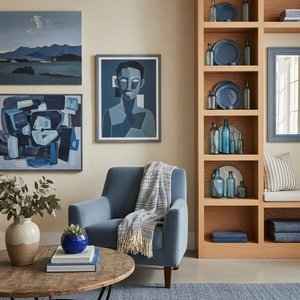
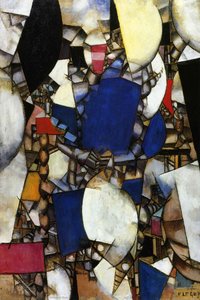
1911. Acrylic, 91.0 x 127.0 cm.

§ 1Kataloogandmed

- 91.0 x 127.0 cm


See teos on autoriõigusega kaitstud
Sellel lehel kuvatav kunstiteos on kaitstud autoriõigusega, mis tähendab, et meil ei ole seaduslikku õigust luua või müüa identset reproduktsiooni. Seda kaitset rakendatakse rahvusvaheliste kokkulepete alusel, nagu näiteks Berne konventsioon ning riiklike seadustega, sealhulgas nendega, mida on sätestatud USA autoriõiguse seadus – 17. peatükk.
Austasena ja seaduslikuna alternatiivina pakume originaalist inspireeritud, käsitsi maalitud isikupärastatud teoseid. Meie osutavad ja professionalsed kunstnikud uurivad hoolikalt originaali stiili, meelemoi ja kunstilist olemust, et luua uus, ainulaadne teos, mis tekitab sama tunnet – olles samal ajal omaette originaalne looming.
See meetod järgib täielikult autoriõiguse reegleid, kuna see ei põhine kaitstud kunstiteose kopeerimisel või dupliteerimisel. Selle asemel on tegu loova reinterpreetatsiooniga – uue maaldisega, mis on algteosest inspireeritud, kuid ei ole sellest identiline.
 Loe lähemalt
§ 2Abstraktne
Kogumisobjekti kirjeldus
Marcel Duchamp’s enigmatic ‘The Bush,’ a Dada masterpiece from 1911, presents two women intertwined before a solitary tree against a serene blue backdrop—a bold challenge to artistic conventions and an invitation to contemplate the essence of perception.
Kunstniku elulugu
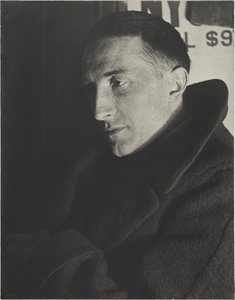
Marcel Duchamp: revolutsiooniline kunstnik, kes küsitles kunsti olemust Dadaismiga ja 'valmiskesed' nagu 'Fountain'. Avasta tema ikoonilisi teoseid ja filosoofilisest mõjust!
§ 3Kommentaar
A Moment Frozen in Time: Marcel Duchamp’s “The Bush”
- Subject Matter: The painting depicts two women positioned before a tree, capturing an intimate tableau of companionship and contemplation. Their gaze is directed towards something unseen beyond the frame, inviting viewers to imagine its significance – perhaps a shared observation or unspoken connection.
- Style: Duchamp’s “The Bush” exemplifies Surrealist aesthetics, prioritizing dreamlike imagery and subconscious associations over rational representation. It abandons traditional artistic conventions in favor of an experimental approach that anticipates the broader developments of Dada and Surrealism.
Technique and Material Considerations
- Medium: Executed in oil on canvas, Duchamp utilized a meticulous layering technique characteristic of Impressionism but deliberately rejecting its focus on capturing fleeting visual impressions. Instead, he sought to create an atmosphere of stillness and quietude.
- Color Palette: The dominant hue is a serene blue, which serves as the backdrop for the figures and tree—a color often associated with tranquility, spirituality, and introspection. Subtle variations within the blue contribute to depth and visual harmony.
Historical Context – Dada’s Challenge to Artistic Norms
- Dada Movement: “The Bush” emerged during the Dada movement (1916-1923), a reaction against the horrors of World War I and the perceived hypocrisy of bourgeois society. Dada artists deliberately undermined established artistic standards, embracing chance operations and rejecting aesthetic judgments.
- Conceptual Art: Duchamp’s work is considered foundational to Conceptual art—an artistic practice that prioritizes ideas over visual appearance. “The Bush” embodies this ethos by questioning the very definition of sculpture and challenging viewers to reconsider their preconceptions about art’s role in society.
Symbolism and Emotional Resonance
- The Tree: The tree symbolizes resilience, growth, and connection to nature—themes frequently explored in Surrealist art. Its presence suggests a grounding force amidst the ethereal atmosphere of the scene.
- Female Figures: The two women represent femininity, vulnerability, and intimacy. Their posture conveys a sense of openness and receptiveness, inviting viewers to contemplate themes of connection and shared experience.
Interior Design Inspiration
- Mood: “The Bush” evokes feelings of serenity, contemplation, and understated beauty—qualities that align well with minimalist interior design styles. Its muted color palette and focus on form can serve as a powerful source of inspiration for creating calming and aesthetically pleasing spaces.
Korduvad küsimused
Kust koht teoses "The Bush" on Marceli Dupšan loomingus?
"The Bush" kuulub Marceli Dupšan Cubist Surrealism perioodi teosetele, mille tuntud teemad hõlmavad formal experimentation, gender critique, anti-establishment spirit, conceptual challenge, duchamp legacy.
Millist tehnikat teose „The Bush“, autor Marceli Dupšan valmistamisel kasutati?
Teose „The Bush“, autor Marceli Dupšan materjal on Acrylic. Reproduktsioonide eesmärk on jälitada selle tehnika välimust.
Millist tooni suundub "The Bush"?
Teose „The Bush“, autor Marceli Dupšan domineeriv toon on Green to Violet Spectrum. See toon on paleti alusvärv.




 Lülita trükkitoodetele


 Kunstiteoste või reproduktsioonide puhul, mille üks külg on üle 105 cm (umbikmolt 41 tolli), saadetakse raam kirjal asendis, la Dismantlitud komplektina. See meetod tagab ohutuse kohaletoimetamisel ja väldib transpordil tekkivaid kahjustusi.