

Oil On Canvas.

§ 1Catalogue data


See teos on autoriõigusega kaitstud
Sellel lehel kuvatav kunstiteos on kaitstud autoriõigusega, mis tähendab, et meil ei ole seaduslikku õigust luua või müüa identset reproduktsiooni. Seda kaitset rakendatakse rahvusvaheliste kokkulepete alusel, nagu näiteks Berne konventsioon ning riiklike seadustega, sealhulgas nendega, mida on sätestatud USA autoriõiguse seadus – 17. peatükk.
Austasena ja seaduslikuna alternatiivina pakume originaalist inspireeritud, käsitsi maalitud isikupärastatud teoseid. Meie osutavad ja professionalsed kunstnikud uurivad hoolikalt originaali stiili, meelemoi ja kunstilist olemust, et luua uus, ainulaadne teos, mis tekitab sama tunnet – olles samal ajal omaette originaalne looming.
See meetod järgib täielikult autoriõiguse reegleid, kuna see ei põhine kaitstud kunstiteose kopeerimisel või dupliteerimisel. Selle asemel on tegu loova reinterpreetatsiooniga – uue maaldisega, mis on algteosest inspireeritud, kuid ei ole sellest identiline.
 Loe lähemalt
§ 2Abstract
Kogumisobjekti kirjeldus
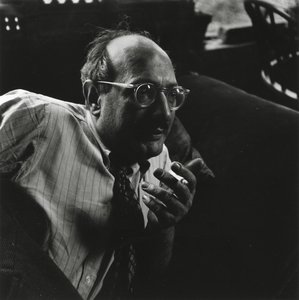
Experience the haunting beauty of Mark Rothko’s abstract expressionist masterpiece, ‘No. 24,’ capturing a contemplative face against a blurred monochrome backdrop—a poignant exploration of emotion and form from the mid-century period. Discover this evocative artwork and bring its timeless vision home.
Kunstniku elulugu
Mark Rothko (1903-1970) – abstraktsionistlik kunstnik, tuntud Color Field maalide poolest. Tema emotsionaalsed värvilised pindade teosed ja Rothko kabel on olulised 20. sajandi kunstis.
§ 3Commentary
The Weight of Absence: A Journey into Rothko’s No. 24
To stand before Mark Rothko’s No. 24 is not merely to view a painting, but to enter into a profound, silent dialogue with the human soul. In this evocative work, the boundaries between the viewer and the canvas begin to dissolve, leaving behind only a sense of weight, light, and an almost overwhelming emotional resonance. The painting presents a solitary human face—a deliberate simplification that prioritizes emotional resonance over realistic representation. Rothko eschews detailed anatomical rendering, opting instead for amorphous shapes that convey an overwhelming sense of vulnerability and introspection. The blurred background serves to heighten the focus on this central figure, creating a visual dialogue between presence and obscurity that pulls the observer into a meditative state.
The technical mastery behind this piece embodies the core tenets of Abstract Expressionism, specifically Rothko’s signature Color Field painting style. Through the thick application of rectangular blocks of color—primarily shades of black and white—the artist creates expansive planes that dominate the canvas. This technique is characterized by a deliberate lack of visible brushstrokes, resulting in a surface texture that appears almost velvety to the eye. The mesmerizing effect is achieved through careful pigment layering and optical blending, where colors seem to vibrate against one another. For the collector or interior designer, this creates a piece that possesses a unique atmospheric gravity, acting as a focal point that commands attention through its quiet, rhythmic breathing of color.
Symbolism and the Echoes of History
Emerging from the turbulent postwar artistic landscape, No. 24 reflects the deep-seated anxieties of an era marked by the disillusionment following World War II. Influenced by Surrealism and Gestalt psychology, Rothko sought to bypass conscious thought to tap into primal emotions. His chosen palette is laden with profound symbolic significance: the black represents darkness, grief, and mortality, while the white embodies purity, spirituality, and transcendence. The juxtaposition of these opposing hues creates a tension that mirrors the complexities of human existence itself. It is a visual manifestation of the search for meaning amidst chaos.
Beyond its aesthetic beauty, the painting invites deep contemplation on themes of isolation, loss, and the eternal yearning for connection. For those seeking to adorn a space with art that inspires reflection, this work offers a sanctuary of pure emotion. Whether placed in a quiet study or a grand gallery, a high-quality reproduction of No. 24 brings with it a sense of historical depth and existential inquiry, making it an incomparable choice for anyone looking to infuse their environment with intellectual and emotional sophistication.
Korduvad küsimused
Kuidas teose „No. 24“, autor Mark Rothko meeleolu on kirjeldatud?
Teose „No. 24“, autor Mark Rothko üldine meeleolu on Calm. See meeleolu kirjeldab teose üldist atmosfääri.
Kuidas teose "No. 24" värvid omavahel koos toimivad?
Teose "No. 24" värviharmonia on Unified Palette.
Milline värv on teoses "No. 24" kõige silmapaistvam?
Teose "No. 24" kõige silmapaistvam värv on Rosy Brown (#b79d7f). Dominantne värv on kasulik teose sobitamisel interjööriga.


 Lülita trükkitoodetele


 Kunstiteoste või reproduktsioonide puhul, mille üks külg on üle 105 cm (umbikmolt 41 tolli), saadetakse raam kirjal asendis, la Dismantlitud komplektina. See meetod tagab ohutuse kohaletoimetamisel ja väldib transpordil tekkivaid kahjustusi.


