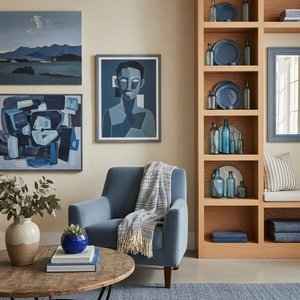
1945. Acrylic, 109.0 x 79.0 cm.

§ 1Catalogue data

- 109.0 x 79.0 cm


See teos on autoriõigusega kaitstud
Sellel lehel kuvatav kunstiteos on kaitstud autoriõigusega, mis tähendab, et meil ei ole seaduslikku õigust luua või müüa identset reproduktsiooni. Seda kaitset rakendatakse rahvusvaheliste kokkulepete alusel, nagu näiteks Berne konventsioon ning riiklike seadustega, sealhulgas nendega, mida on sätestatud USA autoriõiguse seadus – 17. peatükk.
Austasena ja seaduslikuna alternatiivina pakume originaalist inspireeritud, käsitsi maalitud isikupärastatud teoseid. Meie osutavad ja professionalsed kunstnikud uurivad hoolikalt originaali stiili, meelemoi ja kunstilist olemust, et luua uus, ainulaadne teos, mis tekitab sama tunnet – olles samal ajal omaette originaalne looming.
See meetod järgib täielikult autoriõiguse reegleid, kuna see ei põhine kaitstud kunstiteose kopeerimisel või dupliteerimisel. Selle asemel on tegu loova reinterpreetatsiooniga – uue maaldisega, mis on algteosest inspireeritud, kuid ei ole sellest identiline.
 Loe lähemalt
§ 2Abstract
Kogumisobjekti kirjeldus
Mark Rothko’s monumental Untitled canvas captures a contemplative dining scene bathed in rich blues—a hallmark of his Color Field painting style from the mid-1940s. Explore this evocative piece and bring Rothko's profound exploration of emotion into your home.
Kunstniku elulugu
Mark Rothko (1903-1970) – abstraktsionistlik kunstnik, tuntud Color Field maalide poolest. Tema emotsionaalsed värvilised pindade teosed ja Rothko kabel on olulised 20. sajandi kunstis.
§ 3Commentary
A Meditation on Stillness: Exploring Mark Rothko’s Untitled Canvas
The painting, simply titled “Untitled,” embodies the core tenets of Abstract Expressionism and stands as a testament to Mark Rothko's unwavering pursuit of profound emotional resonance. Executed in 1945, this canvas—measuring 109 x 79 cm—immediately captivates with its deceptively serene expanse of deep blue pigment. Yet beneath the surface tranquility lies an intricate tapestry of artistic considerations that speaks volumes about Rothko’s intellectual and spiritual convictions.- Subject Matter: While seemingly devoid of recognizable figures, the painting isn't entirely devoid of narrative. Two individuals occupy the space—one seated at a table, delicately holding a fork, while the other stands behind him, observing. These figures serve as anchors for our gaze, grounding us in a domestic tableau that subtly contrasts with the overwhelming expanse of color.
- Style: Rothko’s approach transcends mere representation; he abandons illusionistic technique altogether, opting instead for what he termed “color field painting.” This method prioritizes pure pigment—in this case, shades of blue—applied in horizontal rectangles that bleed into one another, creating an immersive experience for the viewer.
- Technique: Rothko achieved his signature effect through a meticulous layering process. He applied thin washes of color onto successive canvases, building up layers to achieve maximum luminosity and depth. This technique ensured that each rectangle radiated its own internal glow, fostering a sense of meditative contemplation.
Historical Context: The Crucible of Postwar Anxiety
The painting’s creation coincided with the aftermath of World War II—a period marked by immense upheaval and disillusionment across Europe. Rothko was deeply affected by the horrors he witnessed during his travels in Europe following the war, experiences that fueled his preoccupation with themes of trauma and loss. Color field painting emerged as a reaction against the dominant artistic conventions of the time – Surrealism and Cubism – offering an alternative path toward conveying emotion and confronting existential anxieties. It represented a deliberate rejection of intellectual abstraction in favor of visceral experience.Symbolism: Beyond Hue—A Language of Feeling
The pervasive blue hue is not merely decorative; it functions as a powerful symbol representing melancholy, introspection, and spiritual contemplation. Rothko himself described his paintings as “windows onto eternity,” suggesting that they aspire to transcend the limitations of earthly concerns and invite viewers into a realm of profound emotional truth. The placement of the figures—seated and standing—further reinforces this symbolic dimension. They embody duality – stillness versus movement – highlighting the inherent tension between inner reflection and engagement with the external world.Emotional Impact: An Invitation to Silence
Ultimately, “Untitled” compels us to confront our own emotional responses. Rothko’s masterful manipulation of color creates an atmosphere of quiet contemplation, encouraging viewers to surrender to the painting's immersive quality. It is a piece designed not for immediate gratification but rather for sustained engagement—a reminder that art can communicate truths beyond words and offer solace in moments of uncertainty. The reproduction offered by AllPaintingsStore.com allows collectors and interior designers alike to experience this evocative artwork firsthand, capturing its essence with exceptional fidelity.Korduvad küsimused
Milline on teose „Untitled“, autor Mark Rothko visuaalne heledus?
Perseptsioonilt on teose „Untitled“, autor Mark Rothko ereonim brilliant.
Millal loodi teos "Untitled"?
Teos "Untitled" on pärit aastast 1945. See ajastu aitab mõista teost Mark Rothko karjääri ja selle ajastu kontekstis.
Kas on õpilaste jaoks olemas infoleht teose „Untitled“, autor Mark Rothko kohta?
Teosele „Untitled“, autor Mark Rothko on saadaval Õppekasutusjuhend leht: trüvitav infoleht teose kohta, mis on loodud õpilasteks ja klassiruumis kasutamiseks.


 Lülita trükkitoodetele


 Kunstiteoste või reproduktsioonide puhul, mille üks külg on üle 105 cm (umbikmolt 41 tolli), saadetakse raam kirjal asendis, la Dismantlitud komplektina. See meetod tagab ohutuse kohaletoimetamisel ja väldib transpordil tekkivaid kahjustusi.