

1950. Oil On Canvas, 110.0 x 126.0 cm.

§ 1Kataloogandmed

- 110.0 x 126.0 cm


See teos on autoriõigusega kaitstud
Sellel lehel kuvatav kunstiteos on kaitstud autoriõigusega, mis tähendab, et meil ei ole seaduslikku õigust luua või müüa identset reproduktsiooni. Seda kaitset rakendatakse rahvusvaheliste kokkulepete alusel, nagu näiteks Berne konventsioon ning riiklike seadustega, sealhulgas nendega, mida on sätestatud USA autoriõiguse seadus – 17. peatükk.
Austasena ja seaduslikuna alternatiivina pakume originaalist inspireeritud, käsitsi maalitud isikupärastatud teoseid. Meie osutavad ja professionalsed kunstnikud uurivad hoolikalt originaali stiili, meelemoi ja kunstilist olemust, et luua uus, ainulaadne teos, mis tekitab sama tunnet – olles samal ajal omaette originaalne looming.
See meetod järgib täielikult autoriõiguse reegleid, kuna see ei põhine kaitstud kunstiteose kopeerimisel või dupliteerimisel. Selle asemel on tegu loova reinterpreetatsiooniga – uue maaldisega, mis on algteosest inspireeritud, kuid ei ole sellest identiline.
 Loe lähemalt
§ 2Abstraktne
Kogumisobjekti kirjeldus
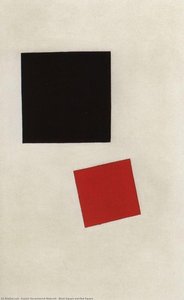
A profound exploration of emotion through muted yellow and brown hues with a bold crimson border, this 1950 Color Field masterpiece by Mark Rothko invites you to immerse yourself in its ethereal, meditative atmosphere.
Kunstniku elulugu
Mark Rothko meistris Color Field stiili Seagrami muralidega. Avastage tema ikooniliste abstraktsete teoste emotsionaalset jõudu juba täna.
§ 3Kommentaar
A Meditation on Color and Absence: Examining Mark Rothko’s Untitled Square
The painting, simply titled “Untitled,” presents a deceptively serene visual experience—a square dominated by muted yellow and brown hues bordered by a bold crimson stripe. Yet beneath this surface simplicity lies a profound exploration of emotion and existential contemplation, characteristic of Mark Rothko's pivotal contribution to Abstract Expressionism. Created in 1950, this piece exemplifies the artist’s signature Color Field technique, prioritizing color as its primary expressive tool rather than representational imagery. The canvas itself is treated with meticulous layering of thin washes of pigment—primarily yellow and brown—that bleed into one another, creating an ethereal haze that invites viewers to immerse themselves in a realm beyond concrete form.The Genesis of Emotion: Rothko’s Early Influences
Mark Rothko's artistic vision was deeply rooted in his formative years amidst the anxieties of Jewish life in Latvia during the turbulent period preceding World War II. Witnessing firsthand the horrors of pogroms and grappling with the pervasive political instability instilled within him a sensitivity to human suffering—a preoccupation that would permeate his entire oeuvre. This early exposure profoundly impacted his worldview, shaping his belief that art could convey intangible emotions and spiritual truths. The subsequent relocation to Portland, Oregon, marked not merely a geographical shift but also an encounter with a new cultural landscape, presenting challenges of assimilation alongside the enduring influence of his father’s intellectual fervor.Color Field Painting: A Revolutionary Approach
Rothko's groundbreaking Color Field technique revolutionized painting in the mid-20th century. Rejecting traditional perspective and illusionistic representation, he sought to achieve an emotional impact through expansive blocks of color—often described as “stained glass windows.” The deliberate flatness of these canvases encourages contemplation and invites viewers to engage directly with their own feelings and perceptions. Unlike Impressionists who captured fleeting moments of light and atmosphere, Rothko aimed for a more enduring resonance, striving to evoke profound psychological states rather than depict external reality.Symbolism Within Minimalism: Layers of Meaning
The seemingly austere palette—yellow, brown, and red—is laden with symbolic significance. Yellow represents enlightenment and optimism, while brown embodies earthiness and grounding. The crimson border serves as a visual anchor, framing the luminous rectangles and emphasizing their isolation from the surrounding space. Rothko himself famously stated that he wished to create paintings “that make people feel.” This ambition transcends mere aesthetic pleasure; it seeks to tap into universal human experiences of grief, joy, and transcendence—themes explored through the subtle interplay of color and texture.A Legacy of Quiet Intensity
“Untitled” stands as a testament to Rothko’s unwavering commitment to artistic integrity and his profound belief in the transformative power of art. Its enduring appeal lies not in its visual complexity but in its ability to provoke introspection and evoke emotional resonance—a characteristic that continues to inspire artists and collectors alike. Reproductions crafted by AllPaintingsStore offer an opportunity to experience this masterpiece's contemplative beauty firsthand, preserving its original spirit within a high-quality print.Korduvad küsimused
Kuidas saan vaadata reproduktsiooni teosele „Untitled“, autor Mark Rothko?
Teose „Untitled“, autor Mark Rothko reproduktsiooni eelvaate saamiseks avage teose Eelvaade leht.
Milline paigutus sobib teose „Untitled“, autor Mark Rothko formaadile?
Olles vormilt Landscape, on teose "Untitled" reproduktsiooni soovitatud kasutada ruumis Living Room.
Kes lõi teose "Untitled" ja millal?
Teose "Untitled" on loonud Mark Rothko aastal 1950.




 Lülita trükkitoodetele


 Kunstiteoste või reproduktsioonide puhul, mille üks külg on üle 105 cm (umbikmolt 41 tolli), saadetakse raam kirjal asendis, la Dismantlitud komplektina. See meetod tagab ohutuse kohaletoimetamisel ja väldib transpordil tekkivaid kahjustusi.


