


 Eelvaade
 Saada
Saada Jaga
Jaga
 Teave teose kohta
 Juhend

 Laadi alla
 Sarnased teosed
 Röntgenuuring
 Slaidietendus
 Q&A
Q&A Statistika
Lynn Meadows


 Loe lähemalt
Giclée / Kunstiprint
Muuseumikvaliteediga giclée- või kangasprint kiire tootmisega ja paindlikud viimistlusvõimalused. ( Osta käsitsi maalatud teos Lülita digitaalse pildi juurde)




P118B €10

P118H €10

P118W €10

P438Z €10

P508JH €12

P508YH €12

P805H €10

P805Z €10

P919BZ €10

P919G €10

P919XJ €10

P959ZH €10

P968JZ €12

W106C €8

W218G €10

W218JH €8

W218Y €10

W307PJ €10

W316G €10

W316PJ €8

W316Y €10

W398PJ €8

W4111J €10

W500HY €15

W500JH €15

W692G €12

W849H €8

W940BG €15

W953PJ €8




Vali meie eelmääratud suurused, mis vastavad teose algupärastele proportsioonidele.

Sisestage vajalik laius ja kõrgus, et see sobiks teie raamile või seinale. Trükki saab ainult lõigata, seda ei saa kunagi pildist suuremaks teha, seega ka erineva mustega suurus kaotab osa pildist. Enne trükkimist saadame teile kinnitamiseks digitaalse näidisprojektsiooni. Sellel lehel näidatud pilt ei kujuta reaalset lõiget — seda näitab ainult näidisprojektsioon.
Ülemaailmne tarne () 2 nädala jooksul, tavalise 4/5 nädala asemel. (1 november)

Tasuta ekspresssaatmine üle maailma

Kõrgekvaliteediline lina-kangas

Täielik transpordikindlustus

Tollimaksude tagastamise garantii

Värvitoime täpsuse garantii

100 päeva tagastusõigus (ainult valmistusdefektide korral)

100% raha tagasi garantii

Hulgusoodustus
 Klaasivalik on saadaval ainult kuni 110 cm suuruses teostes

Lynn Meadows
Giclée / Kunstiprint
Reproduktsiooni suurus
-


Koguhind
€ 57
A Symphony of Light and Marsh – Exploring Martin Johnson Heade’s “Lynn Meadows”
Martin Johnson Heade's "Lynn Meadows," painted in 1863, isn’t merely a depiction of a marsh landscape; it’s an immersion into a specific moment of time, a carefully orchestrated dialogue between light, color, and the quiet drama of nature. This painting, now meticulously reproduced for art lovers worldwide, offers a glimpse into the heart of Luminism – a movement that sought to capture the ephemeral qualities of light and atmosphere with remarkable subtlety and grace. Heade, a master of this style, wasn’t interested in grand vistas or heroic subjects; instead, he focused on the intimate details of the natural world, particularly the serene beauty of coastal marshes.
The scene unfolds before us as a horizontal expanse dominated by the muted browns and greens of the marsh itself. A prominent bridge, rendered with delicate precision, acts as a visual anchor, drawing the eye into the heart of the composition. The foreground is populated with figures – likely laborers engaged in their daily tasks – adding a subtle layer of human presence to this otherwise solitary landscape. However, these individuals are deliberately understated, almost dissolving into the surrounding environment, reinforcing the painting’s overall sense of tranquility and timelessness. The color palette is remarkably restrained, relying on soft washes of ochre, umber, and sage green, creating an atmosphere of hazy warmth and diffused light – a hallmark of Luminist technique.
Luminism: Capturing the Essence of Light
Heade’s work falls squarely within the Luminist movement, which flourished in America during the mid-19th century. Unlike their Hudson River School counterparts who often depicted dramatic mountain scenes and heroic narratives, Luminists were primarily concerned with capturing the fleeting effects of light on natural subjects. They eschewed heavy brushwork and detailed rendering in favor of loose, atmospheric strokes that suggested movement and transparency. This approach allowed them to convey the subtle shifts in color and tone as sunlight filtered through clouds or reflected off water surfaces. Heade’s “Lynn Meadows” exemplifies this philosophy perfectly – it's less about a literal representation of the marsh and more about evoking its feeling, its mood, its very essence.
The painting’s historical context is equally important to understanding its significance. Painted in 1863, during the American Civil War, “Lynn Meadows” offers a poignant contrast to the turmoil of the nation. It's a scene of quiet contemplation and resilience – a reminder of the enduring beauty of nature even amidst times of great upheaval. The bridge itself can be interpreted as a symbol of connection and progress, linking the human world with the natural one.
Technique and Materials: A Master’s Touch
Heade employed oil paints on canvas, utilizing a technique characterized by thin layers of color applied in rapid succession. This layering creates a remarkable sense of luminosity – as if the light itself is emanating from the surface of the painting. The brushstrokes are loose and expressive, yet carefully controlled to create a harmonious composition. The artist’s mastery of glazing techniques allows him to build up depth and dimension with subtle variations in color and tone. Close examination reveals the meticulous attention to detail – the texture of the reeds, the ripples on the water, the shadows cast by the bridge.
Symbolism and Emotional Resonance
Beyond its technical brilliance, “Lynn Meadows” is rich in symbolism. The setting sun evokes a sense of transition and closure, suggesting both the end of one day and perhaps even the end of an era. The figures working in the foreground represent the enduring connection between humanity and nature – a reminder that we are part of this intricate ecosystem. Ultimately, the painting’s emotional impact is profoundly serene and contemplative, inviting viewers to pause, reflect, and appreciate the simple beauty of the natural world. It's a piece that speaks to our deepest longing for peace and tranquility, offering a moment of respite from the complexities of modern life.
Korduvad küsimused
Kas teose „Lynn Meadows“, autor Martin Johnson Heade värvid on kütkestatud või pehmed?
Teose „Lynn Meadows“, autor Martin Johnson Heade värvide kütkuse aste on Balanced Soft. Kütkus kirjeldab, kui erksad või pehmed värvid on.
Millises suunand ja millises ajastu kontekstis on „Lynn Meadows“, autor Martin Johnson Heade paikati?
Teos "Lynn Meadows" kuulub Luminism suunale ning selle looja tegutses 19. sajand ajastul.
Kui populaarne on teos "Lynn Meadows" suunaga Luminism aastal?
Teos „Lynn Meadows“, autor Martin Johnson Heade on klassifitseeritud tasemele Recognized ning kuulub Luminism suunasse.
Sarnased teosed


Kunstniku elulugu
Varajane Elu ja Portreekunstniku Algus
Martin Johnson Heade, sündinud rahulikus Pennsylvania maakonnas 1819. aastal, on ameerika kunstiajaloo võluv tegelane – maalija, kelle valgustäielised maastikud ja intiimsed looduse kujutused tõusid järk-järgult suhtelisest tundmatust rahvusliku tähtsusega kunstisaavutuste hulka. Tema varajane elu Lumbervilles Delaware jõe ääres andis talle sügava hindamise loodusmaailma vastu, mis kasvas kohalike kunstnike Edwardi ja võimalikku Thomas Hicksi õpetuse kaudu. Need alustunnid andsid Headele tehnilised oskused, mis hiljem õitsesid eristuvaks stiiliks, kuigi tema tee tunnustuseni polnud kaugeltki sirge. Esialgu keskendunud portreekunstile, demonstreerisid tema varased tööd pädevat kätt, kuid puudusid ainulaadsed visioonid, mis defineeriksid hilisema loomingu. Euroopasse reisimise periood laiendasid tema kunstilisi horisonte, avades mitmekesiste mõjude maailma ja valmistades lavale tema lõpliku kalduvuse maastikumaalile.Pöördepunkt: Hudsoni Koolkonna Mõjud ja Panoraamne Valgus
Oluline muutus Heade kunstilises suunas toimus kohtumistel Hudsoni koolkonna liikmetega – kunstnike nagu John Frederick Kensett ja Benjamin Champneyga –, kes äratasid temas kirge tabada Ameerika maastiku uhkust ja peent ilu. See mõju, kombineerituna tema sisemise tundlikkusega valguse ja atmosfääri suhtes, viis ta arendama stiili, mida iseloomustasid rahulikkus kompositsioonid ja tähelepanuväärne detailitäpsus. Heade töö eristus vaikse intensiivsusega, vältides mõningate kaasaegsete dramaatilisi narratiive eelistades kontemplatiivseid soomaastike, meremaastike ja lõpuks troopika floora ja fauna uuringuid. Oluline hetk saabus tema reisil Brasiiliasse 1963.-1964. aastal, mis mõjutas sügavalt tema kunstilist väljendust. Sukeldunud Brasiilia vihmametsa elavates värvidesse ja eksootilistesse vormidesse, asus Heade seeria väikseid maale, kujutades kolibreid lopsakas orhideade keskel – tööd, mis demonstreerisid nii tema tehnilist meisterlikkust kui ka fassineerumist elu ja keskkonna õrna vahekorra vastu. Need “Brasiilia kalliskivid”, nagu ta neid nimetas, olid algselt mõeldud avaldamiseks, kuid jäid suuresti realiseerimata tema eluaegadel, ometi on need täna mõned tema tuntuimad teosed. Järgsed reisid Kesk-Ameerikasse ja Jaamaikale rikastasid veelgi tema troopiliste teemade uurimist, rikastades tema paletti ja laiendades kunstilist sõnavara.Soomaastikud, Magnooliad ja Meistri Uuestiavadamine
Hiljem elas Heade St. Augustines Floridas, kus ta pööras tähelepanu still-elule – eriti peenetele magnoolialillede kujutustele rikkaliku sameti taustal. Need maalid, oma sametiste tekstuuride ja valgusrikka valgusega, on näiteks tema meisterlikkus värvi ja vormi vallas. Kuigi ta tootis karjääri jooksul olulise hulga töid, jäi Heade suurel määral tundmatuks oma eluajal. Alles 1940ndatel hakkasid teadlased tunnistama tema panuse tähtsust ameerika kunstile. Märkimisväärne seeria uuestiavadamisi – maalid ilmusid ootamatutes kohtades nagu garaažimüügikeskustes ja kirbuturgudel – tõi ta tööle uut tähelepanu, paljastades varem ülevaadatud Luminismi meistri. Terminit “Luminism” endiselt, mis loodi kirjeldama Heade ja kunstnike nagu Fitz Henry Lane jagatud stiili, tabab tema kunstilise visiooni olemust: atmosfääriliste efektide rõhutamine, valguse peened gradatsioonid ning rahu ja vaikuse tunne.Vaikse Kontemplatsiooni Pärand
Martin Johnson Heade pärand ulatub kaugemale tema tehnilisest oskusest ja esteetilistest tundlikkusest. Tema maalid pakuvad vaatajatele ruumi vaiksele kontemplatsioonile – kutset sukelduda looduse ilu ja rahulikkusse. Kuigi ta ei saavutanud eluaegadel laialdast kuulsust, on tema töö resoneerinud sügavalt publikuga pärast uuestiavadamist, kinnistades tema positsiooni olulise kujuna ameerika kunstis. Tänapäeval hoitakse tema maale silmapaistvates muuseumikollektsioonides üle maailma, sealhulgas Martin Johnson Heade kollektsioonis AllPaintingsStore'is, ja need jätkavad aukartust ja imetlust nende valgusrikka ilu ja püsiva jõu eest. Heade võime tabada valguse ja atmosfääri efemeersed omadused – muuta tavalised stseenid transtsendentaalse ilu hetkedeks – tagab tema koha üheks armastatuimaks ja mõjukamaks 19. sajandi ameerika maalikunstnikuks. Tema kunst on poeetiline meeldetuletus looduse säilitamise ja hindamise tähtsusest ning lohutus selle vaikses uhkuses.Heade Stiili Põhiomadused
- Luminism: Definitsiooniline omadus, rõhutades atmosfäärilisi efekte ja valguse peeneid gradatsioone.
- Rahulikud Kompositsioonid: Dramaatiliste narratiivide vältimine rahulike stseenide kasuks.
- Täpsed Detailid: Looduslike vormide ja tekstuuride täpne renderdamine.
- Teemad: Soomaastikud, meremaastikud, troopikalinnud (eriti kolibrid), magnooliad ja still-elud.
- Romantiline Lähenemisviis: Fookus looduse emotsionaalsel mõjul ja selle ilul.

Martin Johnson Heade
1819 - 1904 , Ameerika Ühendriigid
Lühikest infot
- Artistic Movement Or Style: Luminism
- Artists Who Influenced This Artist:
- Edward Hicks
- John F. Kensett
- Date Of Birth: 11. august 1819
- Date Of Death: 4. september 1904
- Full Name: Martin Johnson Heade
- Nationality: Ameeriklaste rahvus
- Notable Artworks:
- Orchid ja kolibri
- Soo maastikud
- Kolibri õied
- Place Of Birth (City And Country): Lumberville, USA
Sarnased artiklid

John Constable: 25 Suurimat Teost Inglise Maastikumaali Tippu
Avastage John Constable'i 25 suurimat teost! Sukeldu inglise maastikumaali romantismisse, imetlege Dedham Vale ilu ja leia inspiratsiooni kodukaunistuseks. Kvaliteetsed kunstireprodutsioonid AllPaintingsStore.com-is. Vaata kohe!

Martin Johnson Heade: Luminism, American Identity & the Poetic Still Life
Explore the captivating world of Martin Johnson Heade, a master of Luminism. Discover his serene landscapes, vibrant still lifes & profound connection to American identity. Learn about his techniques and legacy.

Romantilise Maastikukunsti 10 Meisterteost: Kunstiteosed Koduks AllPaintingsStore.com'ist
Avastage 10 romantilise maastikukunsti meistriteost! Tutvuge Caspar David Friedrichi, J.M.W. Turneri ja teiste suurte kunstnike loominguga AllPaintingsStore.com-is. Leidke täiuslik õlimaal või reproduktsioon koduks – inspireeriv kollektsioon ootab!

Evocations of Place: A Historical Journey Through Landscape Art
Explore the rich history of landscape art with AllPaintingsStore. Discover renowned artists, movements like Impressionism & Romanticism, and expert guidance for collecting timeless pieces. Find your perfect serene escape today!
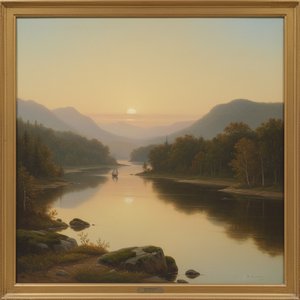
David Johnson: A Luminist Master of the Hudson River School & Beyond
Explore the captivating landscapes of David Johnson, a key figure in the Hudson River School & Luminism movement. Discover his artistic evolution, legacy, and how to collect his works with AllPaintingsStore.