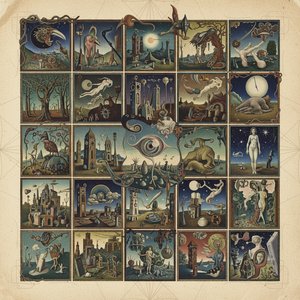
1958. Acrylic On Canvas.

§ 1Catalogue data


See teos on autoriõigusega kaitstud
Sellel lehel kuvatav kunstiteos on kaitstud autoriõigusega, mis tähendab, et meil ei ole seaduslikku õigust luua või müüa identset reproduktsiooni. Seda kaitset rakendatakse rahvusvaheliste kokkulepete alusel, nagu näiteks Berne konventsioon ning riiklike seadustega, sealhulgas nendega, mida on sätestatud USA autoriõiguse seadus – 17. peatükk.
Austasena ja seaduslikuna alternatiivina pakume originaalist inspireeritud, käsitsi maalitud isikupärastatud teoseid. Meie osutavad ja professionalsed kunstnikud uurivad hoolikalt originaali stiili, meelemoi ja kunstilist olemust, et luua uus, ainulaadne teos, mis tekitab sama tunnet – olles samal ajal omaette originaalne looming.
See meetod järgib täielikult autoriõiguse reegleid, kuna see ei põhine kaitstud kunstiteose kopeerimisel või dupliteerimisel. Selle asemel on tegu loova reinterpreetatsiooniga – uue maaldisega, mis on algteosest inspireeritud, kuid ei ole sellest identiline.
 Loe lähemalt
§ 2Abstract
Kogumisobjekti kirjeldus
This haunting surrealist painting by Max Ernst depicts nocturnal birds soaring over a beach alongside a solitary figure and scattered books, capturing the artist's exploration of subconscious imagery.
Kunstniku elulugu
Avasta Max Ernsti (1891–1976) sürreaalne maailm! Saksa-amrilane oli Dada ja sürrealismi pioneer, tuntud oma frotaaži, kollaažide ja unenäolike maalidega. Tutvuge tema teoste psühholoogiliste teemadega!
§ 3Commentary
A Journey into the Dreamscape – Max Ernst’s “After My Sleeping”
Max Ernst’s “After My Sleeping,” painted in 1958, isn't merely a depiction of a beach at night; it’s an invitation to delve into the subconscious mind—a cornerstone of Surrealist philosophy and artistic practice. Created during Ernst’s prolific period following World War II, this artwork embodies the anxieties and aspirations of a generation grappling with trauma and yearning for liberation from oppressive ideologies.
Style and Technique: Embracing Chance and Imagination
Ernst’s signature style—characterized by meticulous detail juxtaposed with deliberate abstraction—is evident in “After My Sleeping.” He employed a technique known as “automatism,” a method championed by André Breton, the founder of Surrealism. This involved suppressing conscious thought and allowing subconscious impulses to guide the artist's hand onto the canvas. The resulting image is imbued with an unsettling beauty, reflecting the unpredictable nature of dreams.
Symbolism: Birds, Books, and the Silent Beach
The painting’s symbolism resonates deeply within Surrealist iconography. Two birds dominate the composition—one perched prominently on the left side, another soaring towards the right—representing freedom and aspiration, yet simultaneously hinting at vulnerability and fragility. Scattered books symbolize knowledge and contemplation, suggesting a quest for understanding amidst the chaos of the subconscious. The desolate beach itself embodies isolation and silence, mirroring the inner landscape of the dreamer.
Historical Context: Surrealism’s Response to War
Surrealism emerged in the wake of World War II as a reaction against rationalism and fascism. Artists sought to bypass logic and reason, tapping into primal instincts and irrational fantasies—a deliberate defiance of the dominant cultural forces of the time. Ernst's work reflects this spirit of rebellion, articulating the psychological scars inflicted by conflict while simultaneously celebrating the transformative power of imagination.
Emotional Impact: A Meditation on Anxiety and Wonder
"After My Sleeping" captivates viewers with its unsettling blend of serenity and apprehension. The muted palette—dominated by blues and browns—creates a mood of melancholic contemplation, mirroring the dreamer’s disorientation. Yet, amidst this darkness lies an undeniable sense of wonder—a recognition that even in moments of profound anxiety, beauty persists, reminding us of the boundless potential for creativity and self-discovery.
Korduvad küsimused
Kui palju inimesi vaatab teost "After my sleeping"?
Teose „After my sleeping“, autor Mak Ernst statistika on saadaval teose lehel Statistika: teose kuukaudsed külastused, kunstniku teoste külastused ning viimaste külastajate riikide ja keelte jaotus.
Milleks on „After my sleeping“, autor Mak Ernst mõeldud?
Teose „After my sleeping“, autor Mak Ernst reproduktsiooni kasutamist on soovitatav Mood jaoks. See soovituse on tulenev teose motiivist, meelelojast ja värvigabast.
Kuidas kunstiliikumine ja ajastu kohtuvad teoses „After my sleeping“, autor Mak Ernst?
Teoses „After my sleeping“, autor Mak Ernst kohtuvad Surrealism suunad ja Modernism ajastu.


 Lülita trükkitoodetele


 Kunstiteoste või reproduktsioonide puhul, mille üks külg on üle 105 cm (umbikmolt 41 tolli), saadetakse raam kirjal asendis, la Dismantlitud komplektina. See meetod tagab ohutuse kohaletoimetamisel ja väldib transpordil tekkivaid kahjustusi.