

Acrylic On Canvas.

§ 1Kataloogandmed


See teos on autoriõigusega kaitstud
Sellel lehel kuvatav kunstiteos on kaitstud autoriõigusega, mis tähendab, et meil ei ole seaduslikku õigust luua või müüa identset reproduktsiooni. Seda kaitset rakendatakse rahvusvaheliste kokkulepete alusel, nagu näiteks Berne konventsioon ning riiklike seadustega, sealhulgas nendega, mida on sätestatud USA autoriõiguse seadus – 17. peatükk.
Austasena ja seaduslikuna alternatiivina pakume originaalist inspireeritud, käsitsi maalitud isikupärastatud teoseid. Meie osutavad ja professionalsed kunstnikud uurivad hoolikalt originaali stiili, meelemoi ja kunstilist olemust, et luua uus, ainulaadne teos, mis tekitab sama tunnet – olles samal ajal omaette originaalne looming.
See meetod järgib täielikult autoriõiguse reegleid, kuna see ei põhine kaitstud kunstiteose kopeerimisel või dupliteerimisel. Selle asemel on tegu loova reinterpreetatsiooniga – uue maaldisega, mis on algteosest inspireeritud, kuid ei ole sellest identiline.
 Loe lähemalt
§ 2Abstraktne
Kogumisobjekti kirjeldus
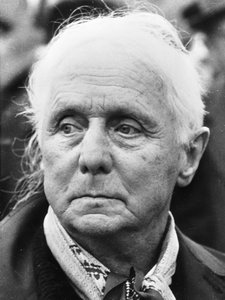
Kunstniku elulugu
Avasta Max Ernsti (1891–1976) sürreaalne maailm! Saksa-amrilane oli Dada ja sürrealismi pioneer, tuntud oma frotaaži, kollaažide ja unenäolike maalidega. Tutvuge tema teoste psühholoogiliste teemadega!
§ 3Kommentaar
El Beso: A Surrealist Embrace of Chance
Max Ernst’s “El Beso,” or “The Kiss,” stands as a cornerstone of Dadaism and Surrealism, embodying the movement's rebellious spirit against rational thought and embracing the subconscious realm. Created in 1927 during Ernst’s passionate relationship with Marie-Berthe Aurenche, this oil on canvas masterpiece transcends mere depiction; it’s an exploration of desire, connection, and the transformative power of accidental beauty.
- Composition & Style: The painting's stark simplicity is deceptive. Against a muted blue backdrop, Ernst presents two figures intertwined—a man and a woman—whose forms are deliberately distorted, prioritizing expressive gesture over anatomical accuracy. This stylistic choice aligns perfectly with Dada’s rejection of traditional artistic conventions.
- Technique: Ernst pioneered innovative techniques like frottage (rubbing textured surfaces onto canvas) and graftage (layering materials to create complex textures), which he meticulously applied to achieve a palpable sense of materiality. The use of a coordinate grid system—a deliberate intervention against chance—highlights the artist’s conscious control over seemingly random elements.
- Historical Context: Dada emerged in Zurich during World War I as a reaction to the horrors of conflict and the perceived moral bankruptcy of bourgeois society. Artists like Ernst sought to dismantle established artistic hierarchies and challenge viewers' perceptions of reality, prioritizing emotion and intuition over logic.
Symbolism permeates “El Beso.” The figures’ ambiguous facial expressions convey a profound disconnection—a mirroring of the anxieties surrounding intimacy during this turbulent period. Yet, their embrace embodies an irresistible yearning for connection, reflecting Ernst's own fascination with psychoanalysis and his belief in the subconscious as a source of artistic inspiration. The bird motif—present in other Ernst paintings—represents freedom and aspiration, subtly reinforcing the painting’s overarching theme.
Beyond its formal innovations, “El Beso” resonates deeply with viewers due to its exploration of fundamental human emotions. It captures the vulnerability inherent in romantic relationships and celebrates the beauty found within unexpected juxtapositions. Ernst's masterful manipulation of texture and color contributes to an atmosphere of tension and uncertainty—a hallmark of Surrealist art that continues to captivate audiences today.
- Further Exploration: Interested in delving deeper into Ernst’s artistic vision? Explore his other celebrated works, including “The Garden of France” and “Approaching Puberty or The Pleiads,” which showcase similar stylistic approaches and thematic concerns. Discover more about Ernst's life and influence on the Surrealist movement at AllPaintingsStore.com for a high-quality reproduction of this iconic artwork.
Korduvad küsimused
Kuidas teose "El beso" värvid omavahel koos toimivad?
Teose "El beso" värviharmonia on Discordant Palette.
Millises materjalis on teos „El beso“, autor Mak Ernst valmistatud?
Teose "El beso" loomisel kasutas Mak Ernst Acrylic On Canvas tehnikat. See tehnika määrab originaalteose materjalilise olemuse.
Kuidas kunstiliikumine ja ajastu kohtuvad teoses „El beso“, autor Mak Ernst?
Teos „El beso“, autor Mak Ernst kuulub Surrealist Art suunasse ning on loodud autori Modernism ajastul.


 Lülita trükkitoodetele


 Kunstiteoste või reproduktsioonide puhul, mille üks külg on üle 105 cm (umbikmolt 41 tolli), saadetakse raam kirjal asendis, la Dismantlitud komplektina. See meetod tagab ohutuse kohaletoimetamisel ja väldib transpordil tekkivaid kahjustusi.


